
 Guide
A nursing attendee, a three-day agenda and no refrigerator
A $250-a-day lactation room at a Tampa hotel had a folding chair and a minibar fridge of bottled water, and nowhere a pumping attendee could safely store milk.
The mechanics of corporate events — contracts, F&B, AV, vendors, briefing.
Guide A $250-a-day lactation room at a Tampa hotel had a folding chair and a minibar fridge of bottled water, and nowhere a pumping attendee could safely store milk.
 Guide
A meeting planner on how a dialysis schedule and a late breakfast expose the attendee care gaps that four-day healthcare agendas routinely ignore.
 Guide
When a crate falls between the trailer and the dock, cargo liability per pound may cover far less than the $38,000 inside.
 Guide
An $80 handheld CO2 monitor showed the 2pm slump is a ventilation problem, not a lunch problem, with readings hitting 1,640 ppm in a packed training room.
 Guide
A $6,850 keynote shoot produced only an archival web export, because the venue AV contract never granted usable rights.
 Guide
A 600-person policy summit faced a last-minute request to keep two attendees apart, with no reason given and eleven days to solve it.
 Guide
I sold hotel group space for seven years before I started buying it. This is the whole conference budget, built in the order a planner actually builds it, with the calls to make, the numbers I expect to see, what is negotiable, and what to do when 400 people arrive and something is wrong.
 Guide
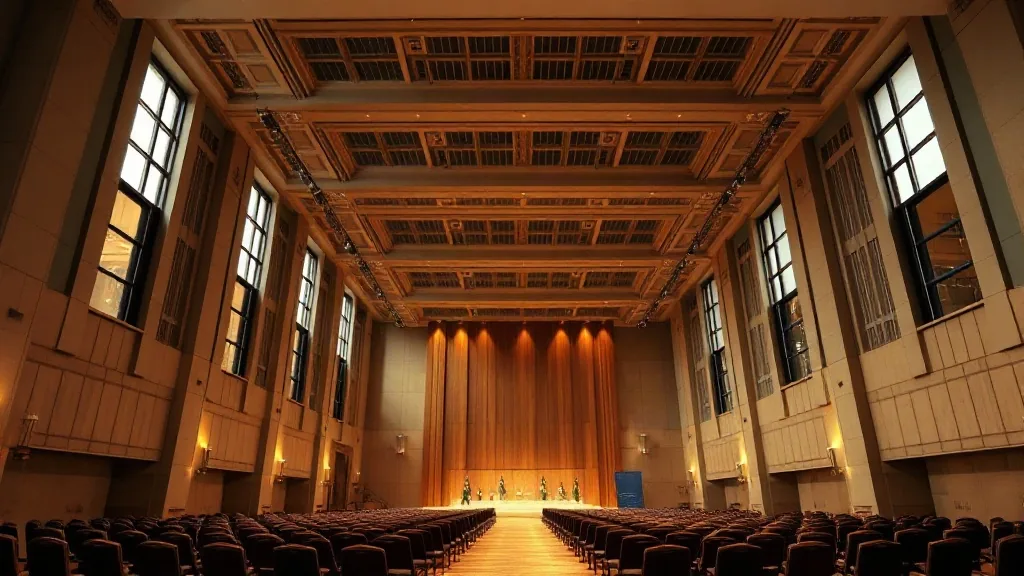
Sunshine Act compliance can slash your pharma event F&B minimum by 75 percent with one contract word change.
 Guide
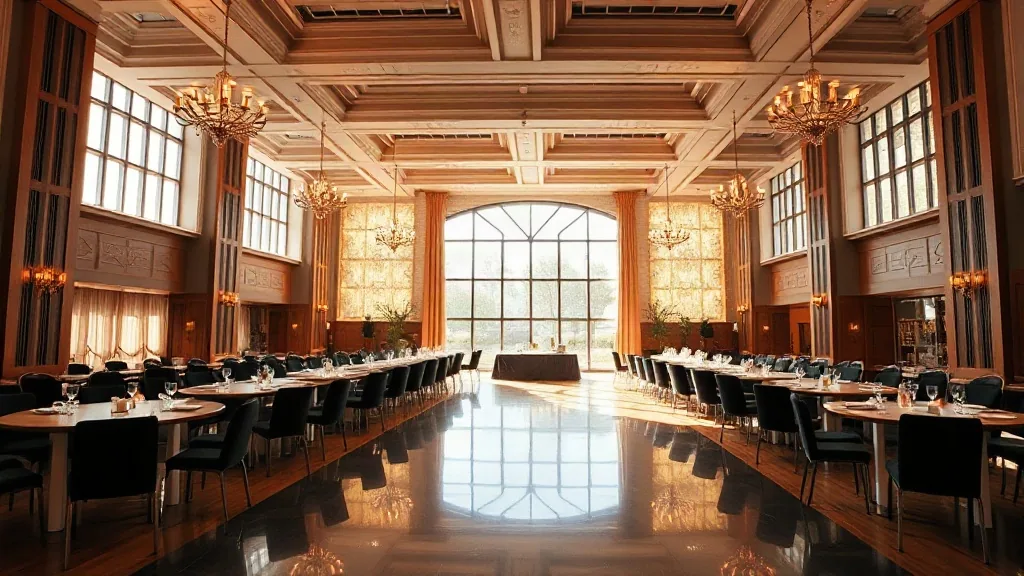
Book a CLE venue without surprise fees by scouting room layouts, contracts, and catering minimums first.
 Guide
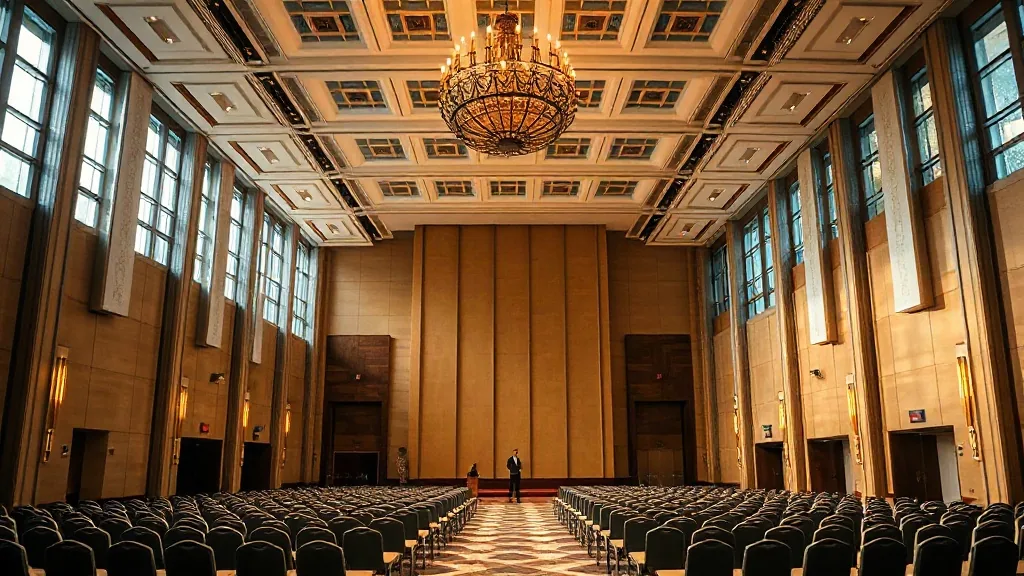
FINRA-supervised events require entertainment riders that cap performer fees and itemize AV invoices to avoid audit violations.
 Guide
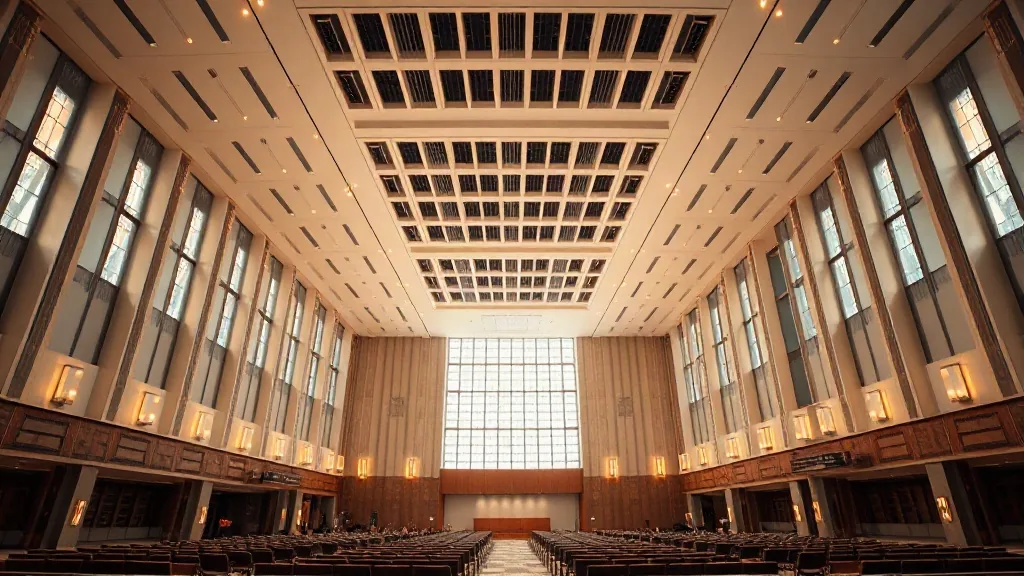
A cleared facility with a permanent SCIF is non-negotiable for defense meetings under a $48,000 annual clearance budget.
 Guide
Healthcare event planners navigate strict rules on badge scans and attendee data sharing.
 Guide
Union labor venues define crew duties and attendee touch limits before your event starts.
 Guide
Government per diems cap at booking date, not travel date, reshaping venue choices.
 Guide
Insurance association CE credits hinge on room dimensions, not speaker slides, and a 200-person audit failure revealed why.
 Guide
Construction and trades events demand equipment-heavy layouts, not ballroom-style planning.
 Guide
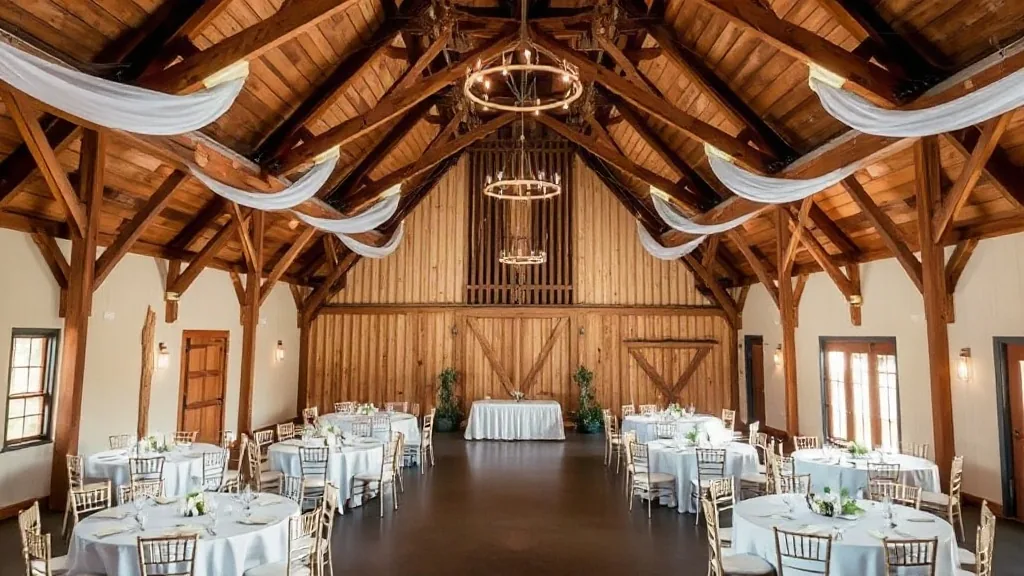
Farm summits in working barns cut costs and sharpen buyer-producer talks.
 Guide
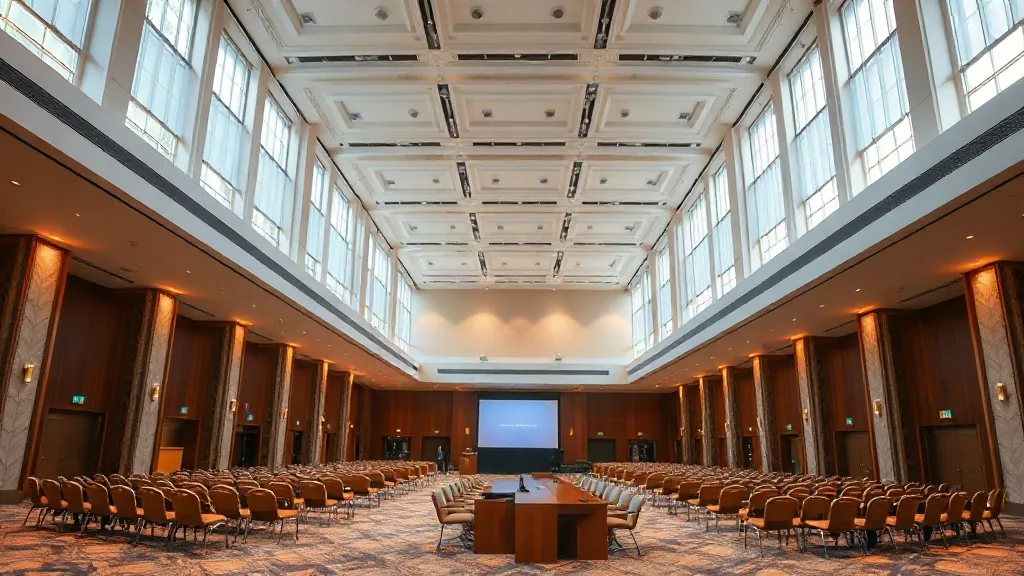
Energy meetings now demand security budgets that triple the cost of hosting.
 Guide
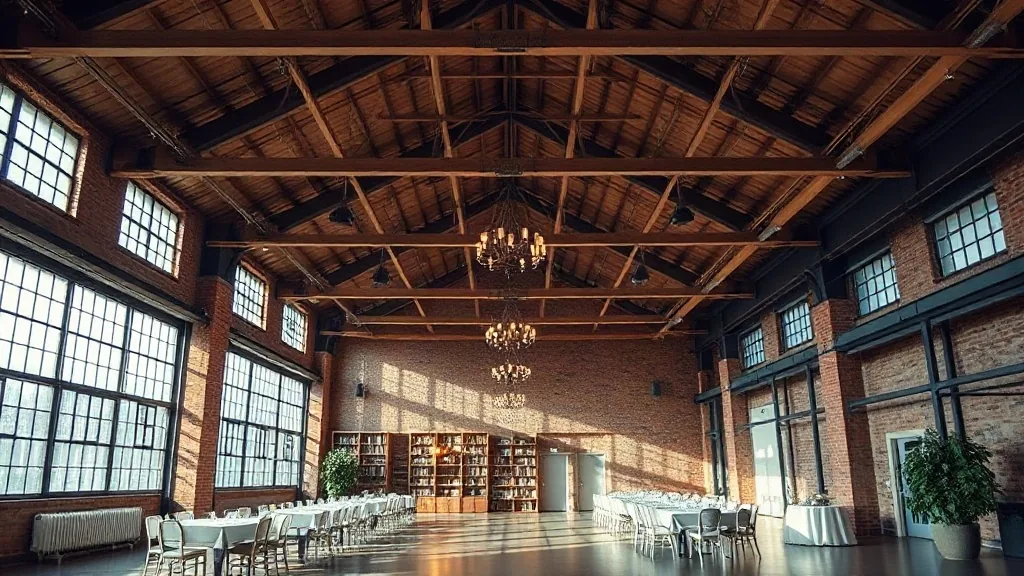
Crypto and fintech event budgets plunge from $400K to $115K as sponsors disappear.
 Guide
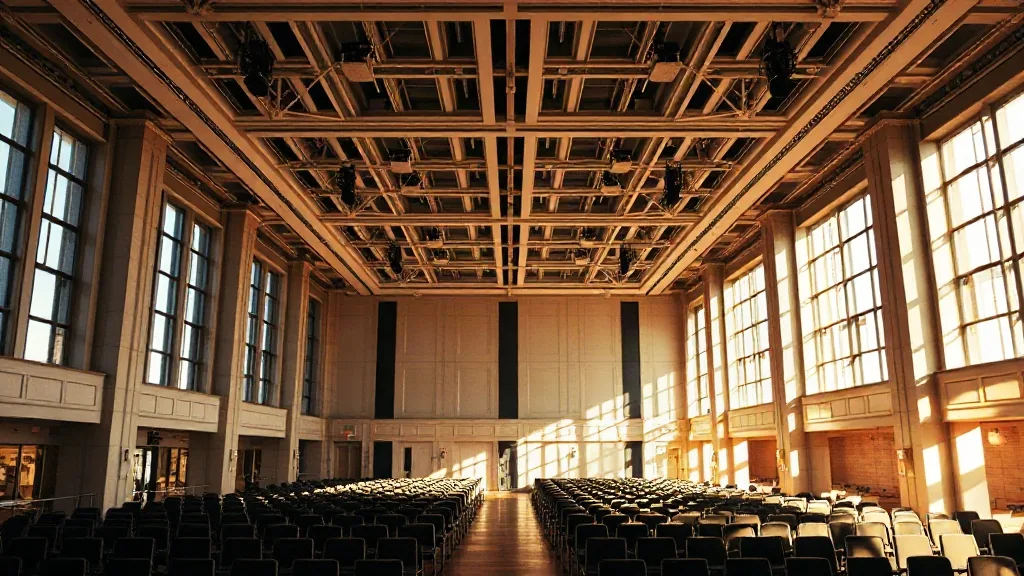
A $3.4 million deal hung on venue wifi logs, not molecule data, at a biotech investor day.
 Guide
Vehicle staging and rigging costs can silently double dealer event budgets before a single bumper is placed.
 Guide
A school district's procurement calendar dictates which event vendors get paid, not just stagehands.
 Guide
Audit ramps, doors, and restrooms before signing to avoid costly ADA violations like a 9.2 percent slope.
 Guide
Accessibility tech like hearing loops is a negotiable AV line item, not a courtesy add-on.
 Guide
Wheelchair sightlines fail when floor plans ignore a seated eye level 18 inches lower than standing.
 Guide
Quiet rooms need power drops, load-in plans, and budget lines, not just a couch.
 Guide
All-gender restrooms need a floor plan, signs, and intent, not a six-figure renovation.
 Guide
Hotels may ask guests two questions about service animals, but only one is legal.
 Guide
A $14,000 deposit vanished over a sesame allergy, exposing the hidden gap between kitchen claims and real allergen protocol.
 Guide
A conference with 900 attendees needs a planned quiet room, not a last-minute $1,100 improvisation.
 Guide
A $46,000 interpretation bill saved a trade association's multilingual conference.
 Guide
One Florida advisory board billed $14,000 for a meeting where 11 of 24 attendees were remote.
 Guide
A decade of Atlanta event planning reveals what cancellation policies actually cover when forecasts fail.
 Guide
Missing hyphens in a COI can lose a $48,000 booking, so review every box before the venue rejects yours.
 Guide
Post-2020 force majeure clauses now bury pandemic terms under deposit risks.
 Guide
Attendee photo releases are a negotiable line item, not a legal checkbox.
 Guide
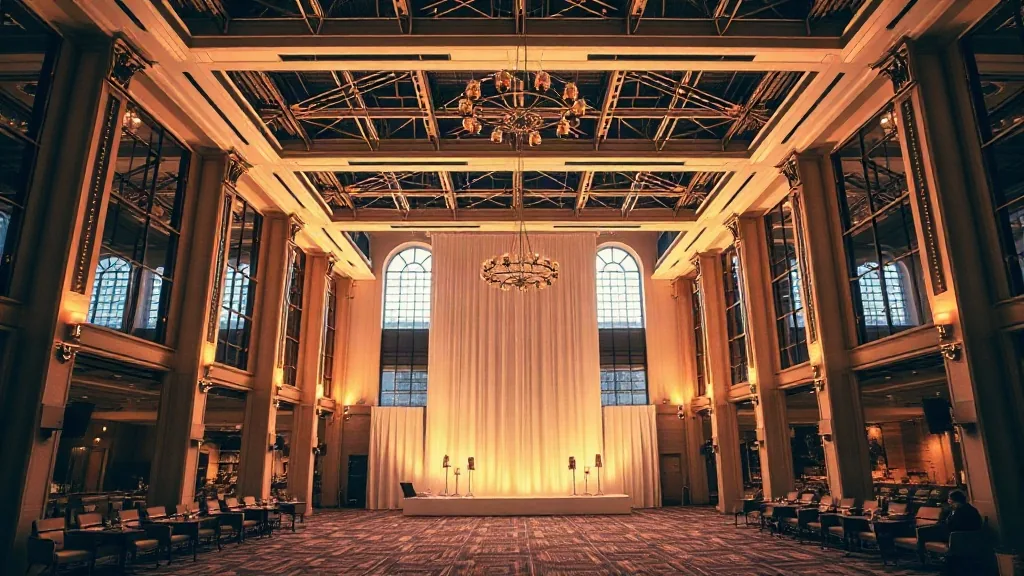
A compensation committee sets CEO pay and reviews named executive figures, so a leak from the room is a proxy-season problem, not an awkward moment. Here's how I book these when discretion is the entire assignment, from a quiet arrival to the private dinner to the clause I insist on.
 Guide
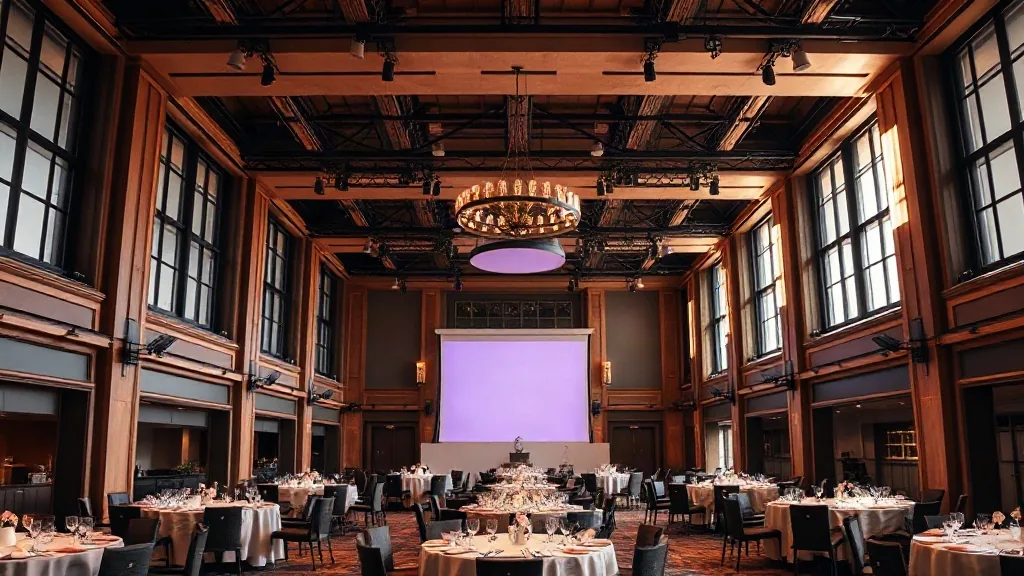
A five-day onboarding week is the one booking where the same room every day is a feature, not a compromise. Lock one space, negotiate a multi-day rate, and fix the catering so nobody's eating hotel sandwiches by Wednesday. Here's the money math.
 Guide
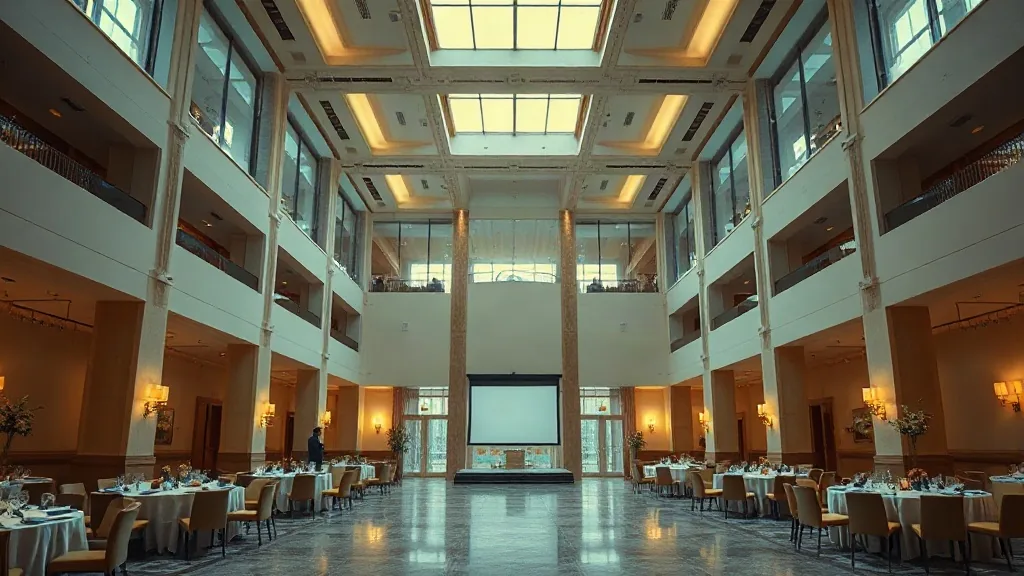
A Georgia waiver signed by a parent cannot waive a minor’s injury claim, so venues need a separate one.
 Guide
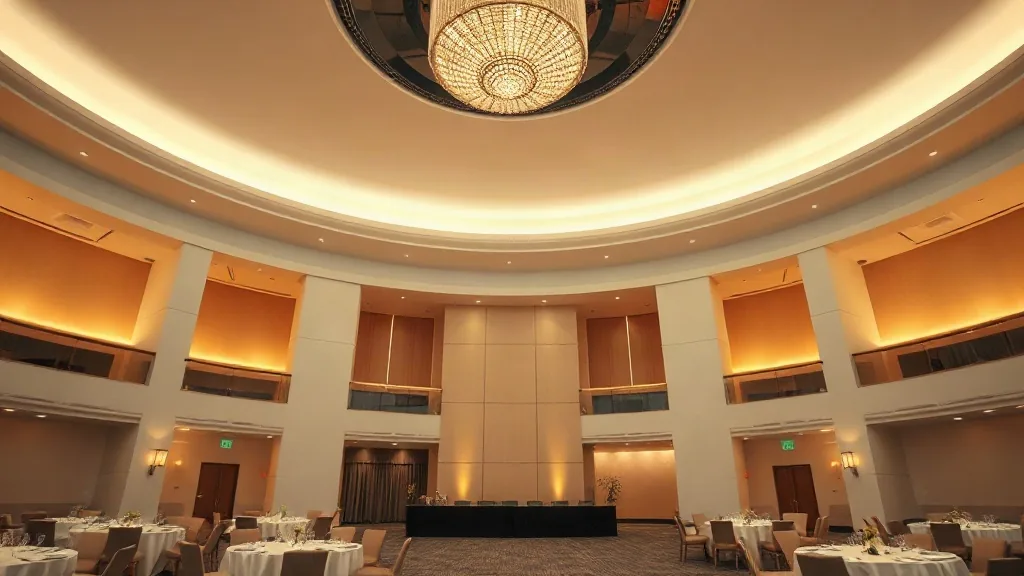
Some cities carry a weather risk in specific months that no outdoor plan survives on its own. Here is which markets and windows to watch, and the indoor backup you should hold before you confirm the outdoor space.
 Guide
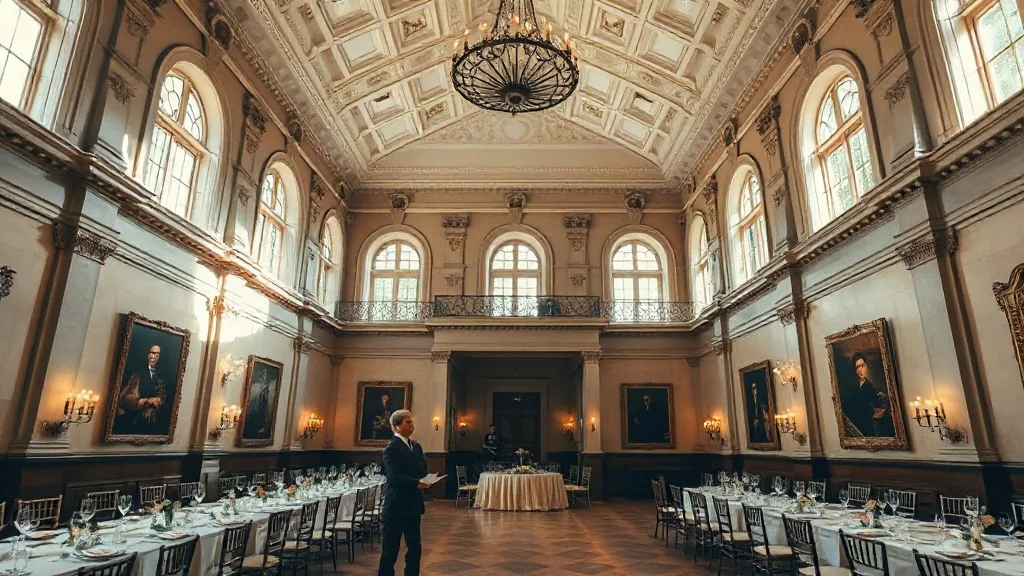
A cracked chandelier or dented panel sparks blame games; here is how to assign liability before you sign.
 Guide
A 2019 venue contract clause cost a freelancer's client $18,400 in AV damage claims.
 Guide
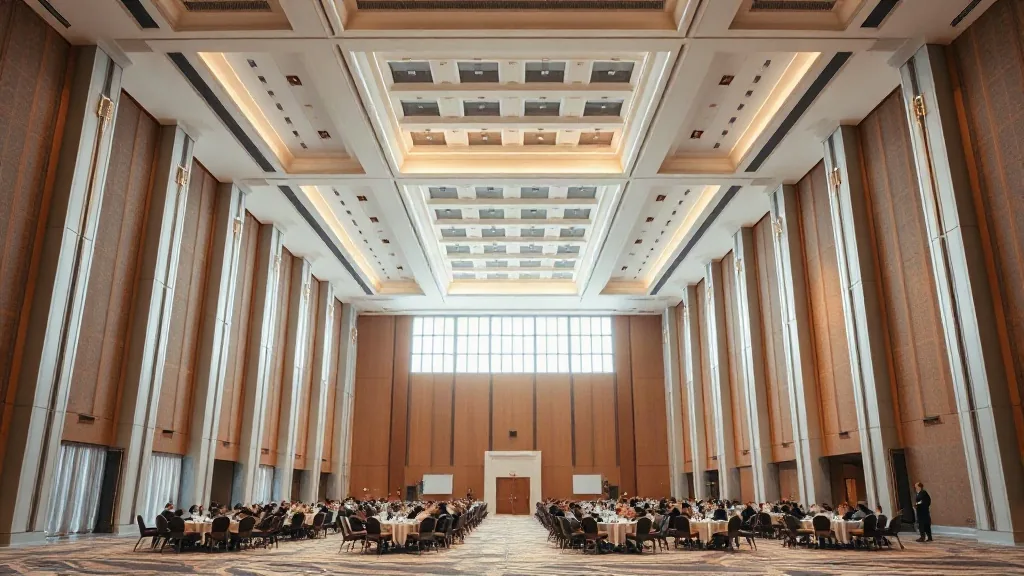
A buffet for 400 either flows in 35 minutes or becomes an hour-long line that eats your program. The difference is line count, double-siding, and dismissal order, none of which most planners think to specify. Here is the math.
 Guide
Badge scans trigger GDPR rules, yet most event vendors lack privacy policies, as one 400-person Tampa event learned the hard way.
 Guide
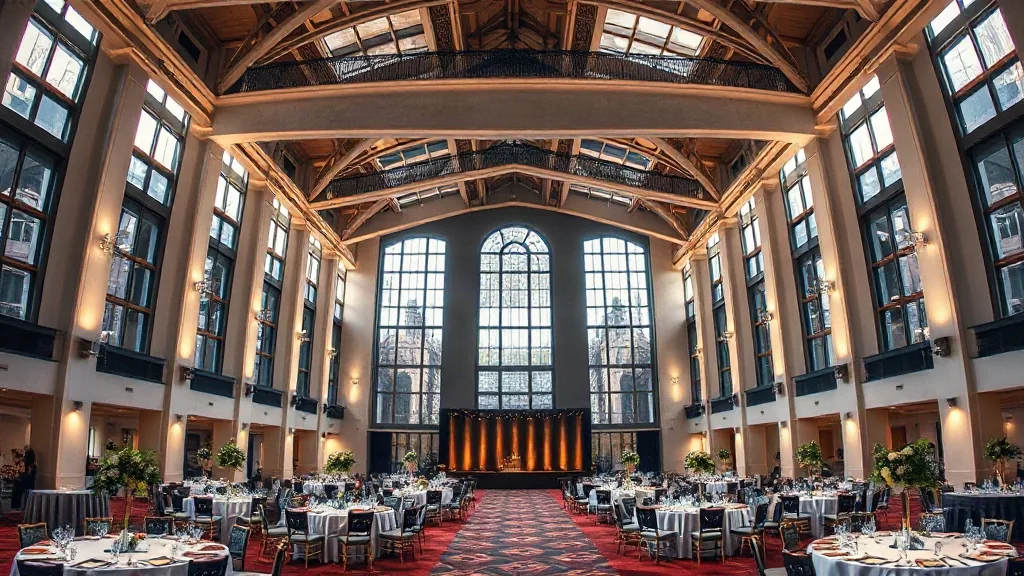
A Phoenix rooftop reception at 108 degrees emptied out in 40 minutes until we moved the bars and the misting fans. Desert summer rates are half of peak, but only if you build the cooling plan. Here is what it takes to keep guests outside.
 Guide
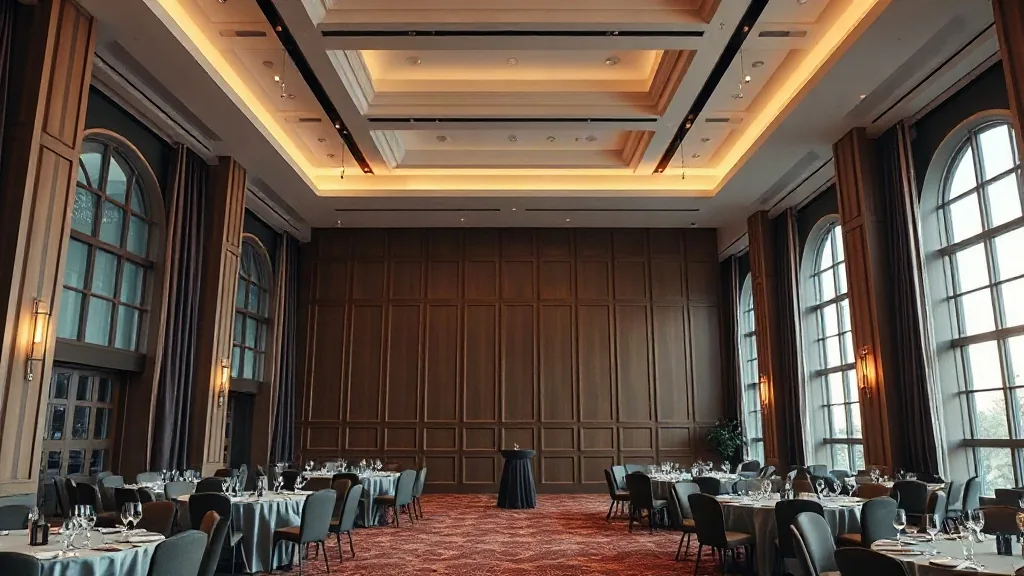
The registration line is where 300 people meet a bottleneck in the first ten minutes. Where you put the desk, how you split the alphabet, and how far it sits from the door decide whether check-in flows or clogs.
 Guide
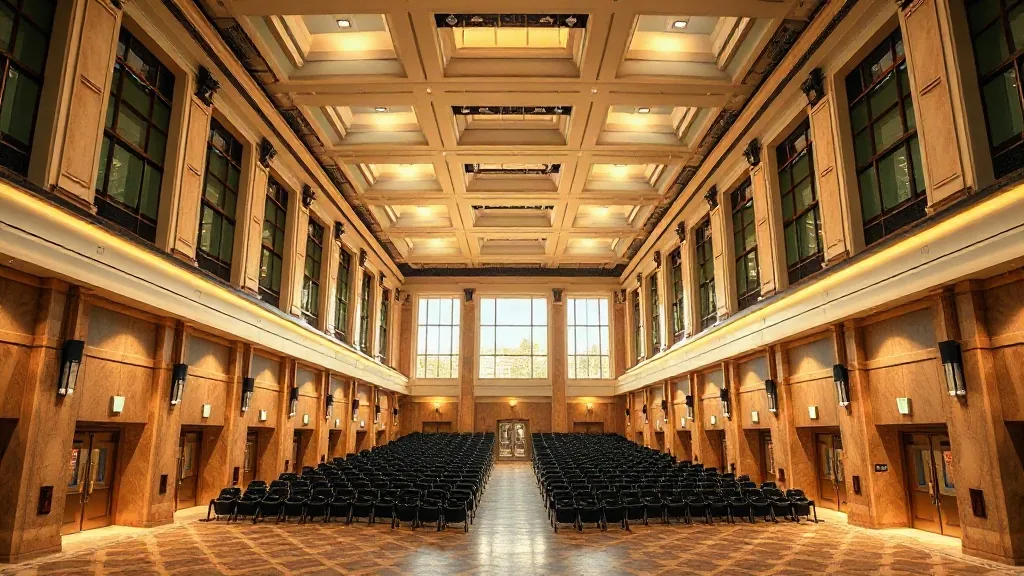
Compare on-site badge printing against pre-printed to cut registration line delays.
 Guide
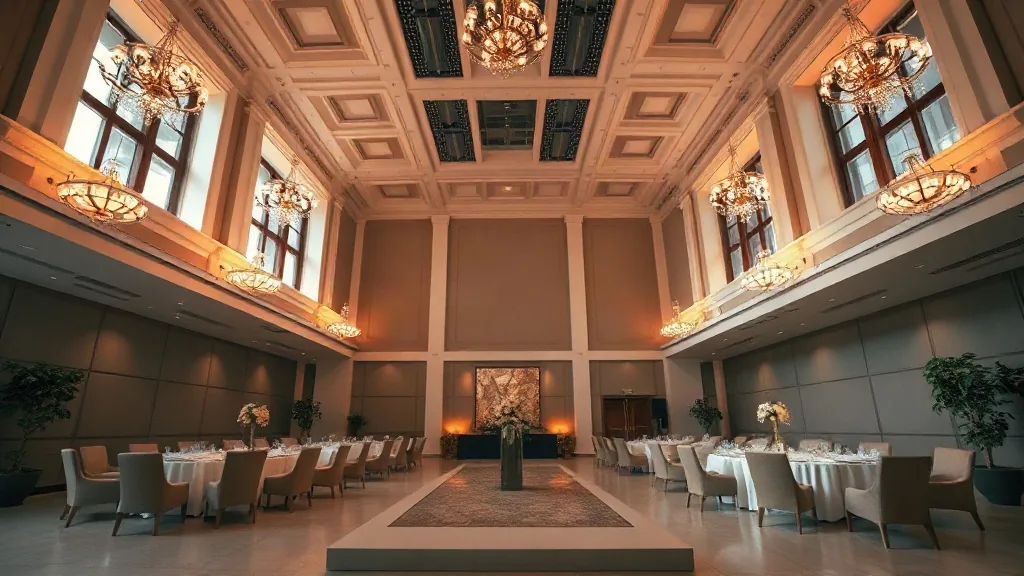
A customer success summit is a training event wearing a summit's name, and theater seating is where hands-on skills go to die. Here's the classroom setup, the breakout math, and the catering rhythm I book so CSMs leave certified instead of just lectured at.
 Guide
A 14-year industry veteran explains why every lead retrieval system disappoints sponsors.
 Guide
A venue that wants 50 percent up front is quoting you its default, not its limit. Staging the payments across quarters protects your cash and your bargaining power. Here is how I build a deposit ladder that the venue accepts and finance loves.
 Guide
A wasted $18,000 app taught a conference organizer that matching tools to phone habits beats feature lists.
 Guide
A donor gala is a fundraising instrument dressed as a dinner, and the venue either helps you close gifts or gets in the way. Here is the checklist I run before booking a room where major-gift asks happen.
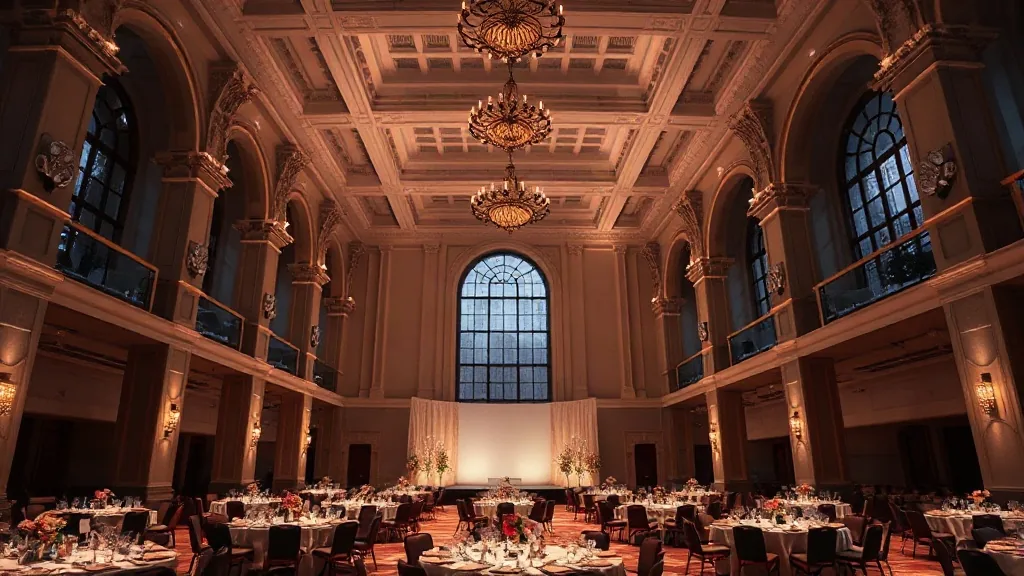 Guide
For a $14,000 captioning setup, the real accuracy bar beats the marketing number.
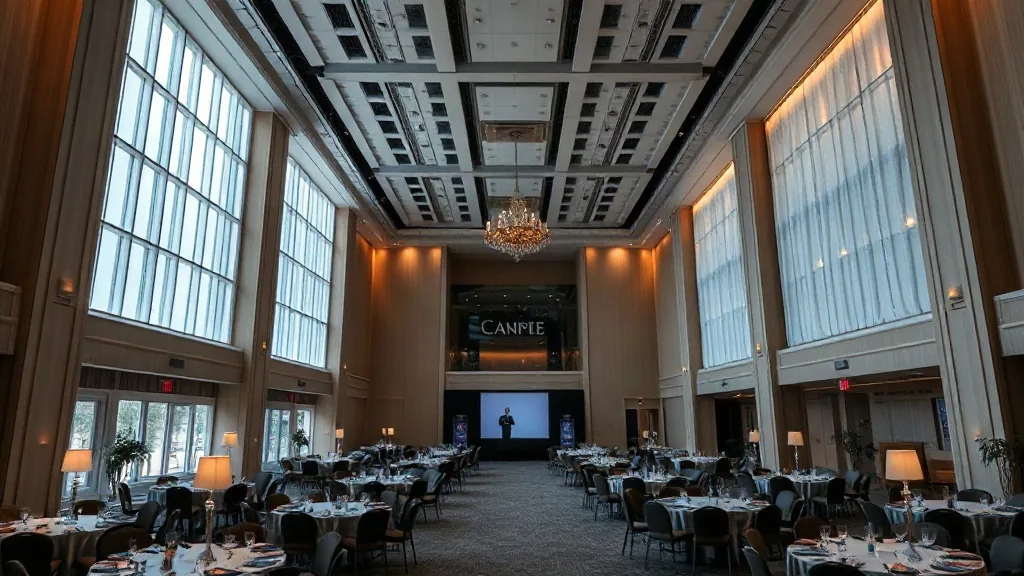 Guide
The good December dates are gone by August, and the venues left in October charge a premium for being desperate. Here is why I lock holiday parties in July and what it saves in real dollars.
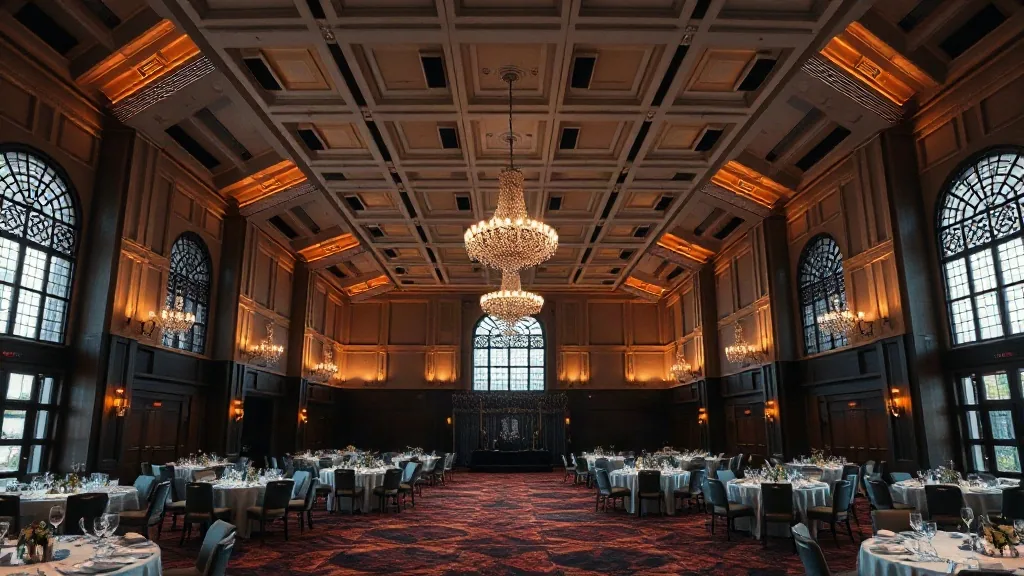 Guide
At an executive women's summit, the small logistics carry the message. Lighting for the headshots, a real lactation room, seating that isn't theater rows. Here are the details that tell 200 senior leaders the host actually thought about them.
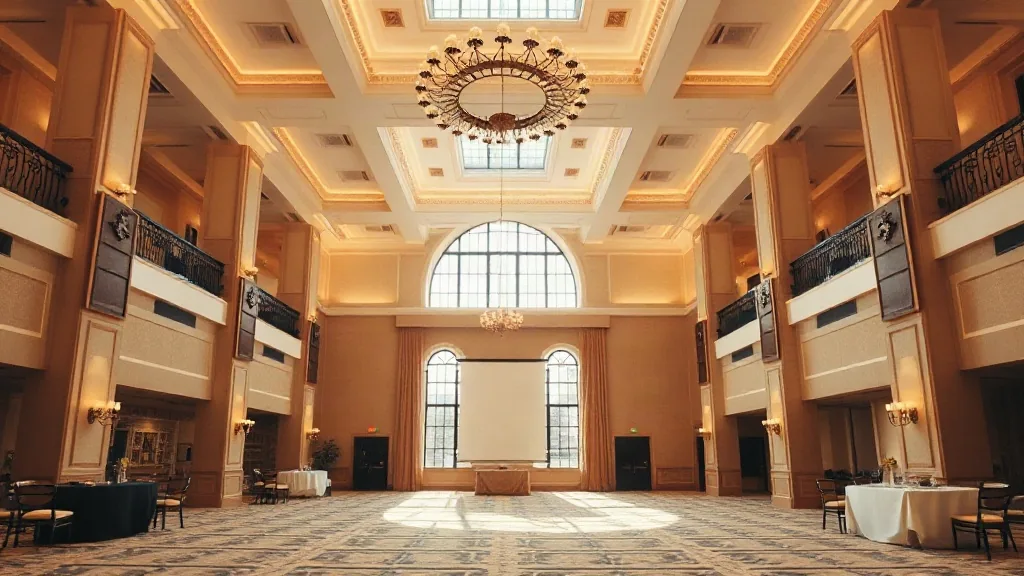 Guide
The boilerplate force majeure clause failed a lot of planners in 2020 and most contracts still use it. Here is the specific language that triggers a real out, the standard that decides whether you owe the cancellation fee, and the edits I make before signing.
 Guide
A three-part breakdown of keynote streaming costs, from encoder to uplink.
 Guide
A sustainability promise made on a site visit is worth nothing at execution. Here is the specific, enforceable clause I add to venue contracts so the green commitments actually happen, and the exact language to use.
 Guide
A keynote dies when a hotel's captive portal silently hijacks the demo laptop.
 Guide
RFID rental runs $3.50–$6.00 per attendee, while QR shifts costs to check-in labor and lost session yield.
 Guide
Registration data gaps cost one client $4,200 in uneaten chicken.
 Guide
When a company goes remote and gathers in person twice a year, the all-hands carries a weight a weekly standup never did. This may be the only day the team is in one room. Here's how I book and shape it so the founder's voice lands and the room feels like a company again.
 Guide
Six hundred guests need 14 check-in stations to avoid a 45-minute queue.
 Guide
I've seen planners rent 200 chairs for a room that came with 220, and skip a generator for a warehouse with no power. The rental order is a subtraction problem: order what the venue lacks, nothing it already owns. Here is the inventory walk that gets it right.
 Guide
A January meeting in Minneapolis kept 280 people warm and dry because the hotel connected to the convention center by skyway. Here is how to read a winter city's covered infrastructure before you book, and what a covered load-in saves your AV crew.
 Guide
Two ballrooms, one elevator bank: how to steer guests to the right room before the clock runs out.
 Guide
A second-tier city can land the same 250-person conference for a third less than a coastal major, once you add up labor, F&B, and hotel. Here is the total-cost math and how to check whether the airlift kills the savings.
 Guide
Too few breakout rooms and your tracks overflow; too many and you pay for empty space. Here is the arithmetic I use to size breakouts against attendance, track count, and the honest reality of how people self-select.
 Guide
Three hundred guests in December arrive within a 20-minute window, each holding a coat, and a two-person coat check turns your entrance into a 15-minute line. Here is the throughput math, the rack count, and the staffing that keeps the door moving.
 Guide
Badge type size and format decide whether conference networking clicks or stalls.
 Guide
You do not need a sommelier to run a wine list that impresses a client table. You need a short, safe strategy and a few rules about price, pairing, and pour count. Here is the approach I use to order wine for a twelve-top I care about.
 Guide
Unspent budget disappears at fiscal year-end, and a venue deposit is one of the cleanest ways to commit it before it resets. Here is how I use a year-end deposit to lock next year's event at this year's rate without breaking accounting rules.
 Guide
Assigned seating works for large events, but forcing it on small groups can backfire badly.
 Guide
A sales bootcamp isn't a keynote, it's reps practicing on their feet, so a lecture hall is the wrong room. You need breakout space for role-play, recording, and fast reset. Here is the venue spec that turns training into reps.
 Guide
Roundtables beat open bars for real connections at lower cost and higher attendance.
 Guide
The open bar your company hosts can put your company on the hook if a guest drives home drunk. Dram-shop and social-host rules are the reason. Here is who is liable, what the venue's license does and does not cover, and the four controls I build into every bar.
 Guide
A nonprofit board notices when money gets wasted, and they notice when the venue looks cheap. Here is how I book a retreat that respects donor dollars and still feels worthy of the people volunteering their time.
 Guide
Attendees judge your meeting in ninety seconds, so design the room before the slides.
 Guide
Simultaneous interpretation runs two linguists per language per booth, and the booth itself is a rental most planners forget until the AV quote lands. Here's how the pairs, the ISO booth spec, and the receiver count actually price out, and where the room you booked either helps or fights you.
 Guide
A venue's rain plan determines event success when coat check lines overwhelm the lobby.
 Guide
The prettiest room in the wrong location costs you late arrivals, a fat transport bill, and a carbon number you cannot defend. Here is how I score a venue on transit access before I fall for the ballroom.
 Guide
A working lunch cost $4,800 and left attendees exhausted, revealing breaks need design, not just scheduling.
 Guide
Post-event surveys can hit 40 percent response rates if you ditch the generic form and target the right audience.
 Guide
A garage launch with 90 attendees produced $480K in pipeline, but only booth conversations could prove which deals were real.
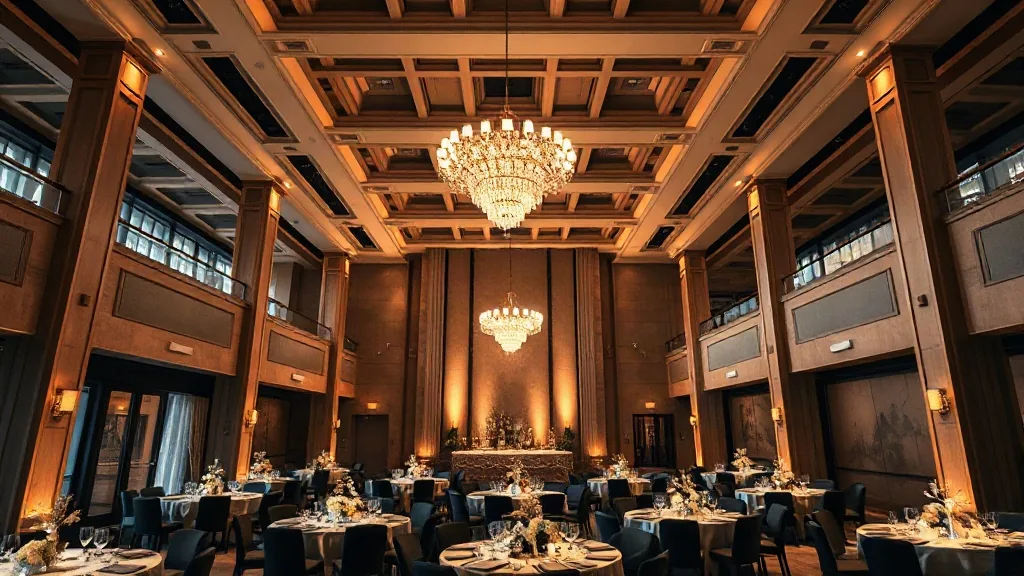 Guide
A quarterly business review with a field team scattered across three time zones is a scheduling problem before it's a content problem. Get the clock and the venue wrong and half the room is exhausted before the first number. Here's how I build one that respects every zone.
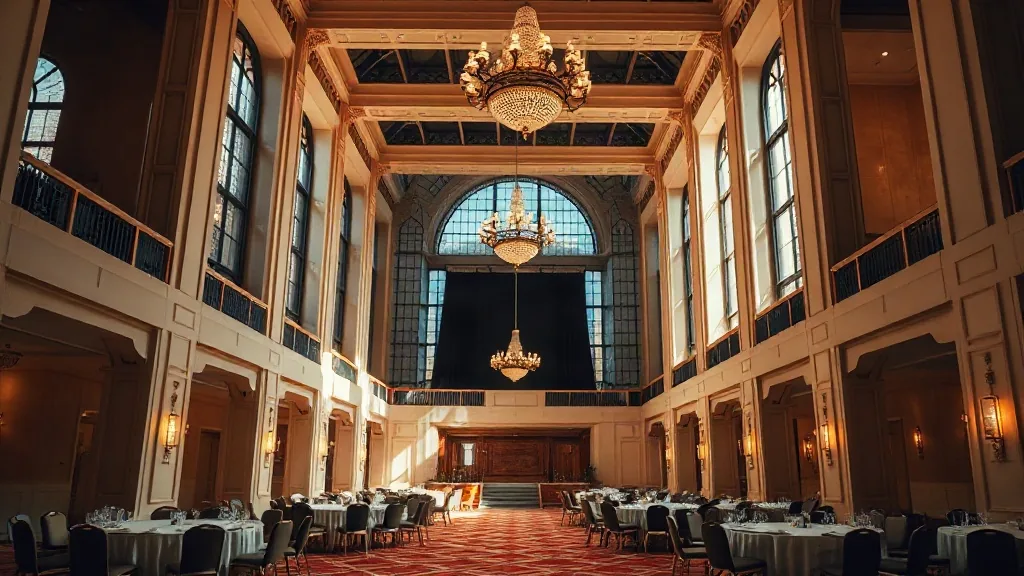 Guide
A speaker who cannot test their deck or find a quiet room before going on stage is a speaker about to have a bad time. Here is which back-of-house rooms to ask for, what they should contain, and what they cost.
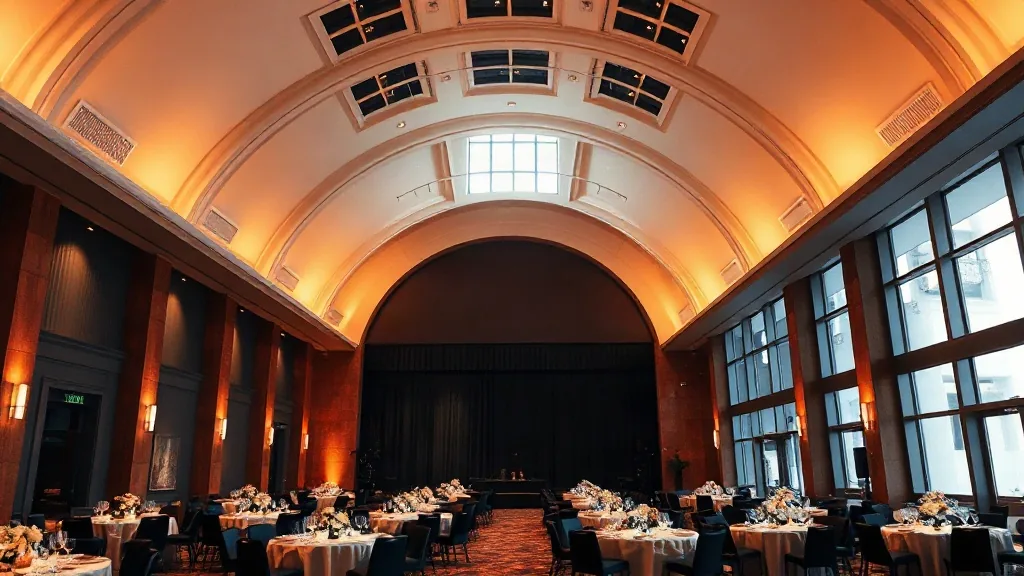 Guide
An AQI of 168 on the morning of a garden reception turned a clear-weather forecast into an indoor scramble. Smoke is the outdoor risk no contract addresses. Here is the trigger threshold, the backup plan, and the clause to write for it.
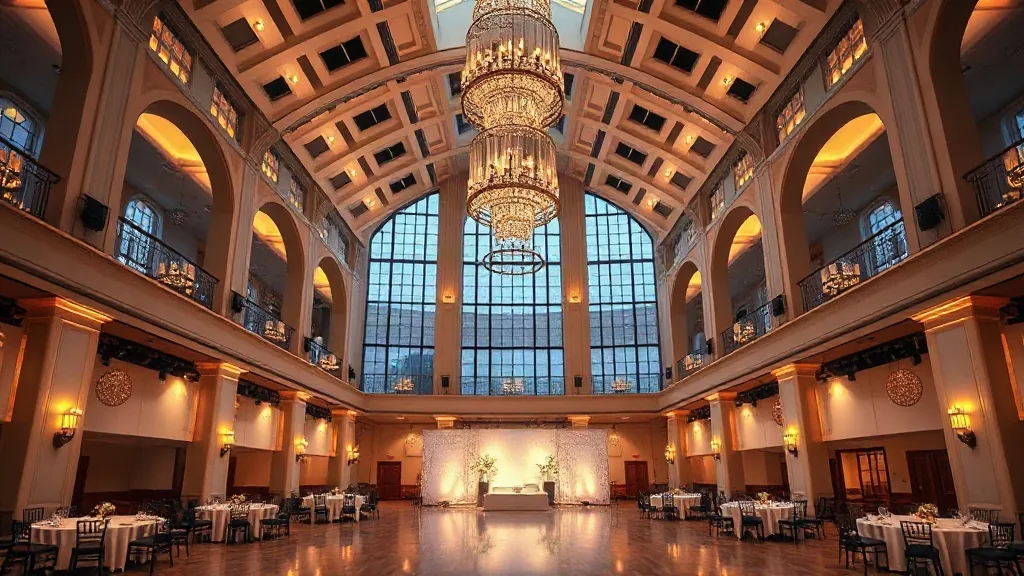 Guide
A hackathon dies on two things a normal event ignores: amps and uplink. Two hundred laptops on one circuit trips the breaker, and shared wifi buckles when everyone pushes code at once. Here is how I spec power, bandwidth, and round-the-clock food.
 Guide
One conference produced 34 assets and a year of content for $41,000.
 Guide
A citywide convention can triple hotel rates and vaporize your room block. Check the compression calendar before you pick a date, and here is how to read it, dodge it, or use it to your advantage.
 Guide
A food truck reads as fun and casual until the fire marshal shows up or three trucks trip the same breaker. Here is the permitting, power, and guest-flow planning that keeps a truck event from becoming a 45-minute line and a citation.
 Guide
A $14,000 overage from a missed breakfast brigade reshapes how one planner vets venues.
 Guide
The band's fee was $9,000. The rider added $4,200 in hotel rooms, hot meals, backline, and a green room that didn't exist. The rider is where entertainment budgets blow up, and it's all readable before you sign. Here is how I read it.
 Guide
Sponsorship can offset a five-figure chunk of your event cost without turning the room into a trade show. The trick is selling access and moments, not logo placement. Here is how I structure tiers that recover cost and keep the event dignified.
 Guide
Close the 22-person registration gap and save $4,620 with targeted two-week follow-ups.
 Guide
A packed ballroom heats up 8 to 10 degrees once 300 bodies and the lighting rig warm the air, and the thermostat you cannot reach is behind a locked panel. Here is how I plan temperature before doors open so it never becomes the survey line everyone remembers.
 Guide
An engineering team will find the ceiling of your venue's internet in the first hour, and a booked hotel ballroom with shared wifi is where a hack week goes to die. Here's the power, bandwidth, and room spec I hold vendors to before an engineering offsite gets my signature.
 Guide
To get comparable venue bids, specify power, load-in time, and AV gear, not vague adjectives.
 Guide
Most zero-waste catering asks die in the banquet office because they cost the venue money or labor it will not give. Here is what a venue will actually say yes to, what it costs, and the language to put in the contract so it happens.
 Guide
A 120-person event priced at $28,400, $46,900, and $71,200 across three venues reveals why the cheapest bid often costs more.
 Guide
The indemnification clause decides who pays when someone gets hurt or something breaks. Most are written to make you cover the venue for its own mistakes. Here is how to read the three flavors and the one edit that makes it fair.
 Guide
A procurement novice stalled a $74K launch until we translated hotel terms into IT speak.
 Guide
A safety summit works when the venue is close enough to the plant that line supervisors can attend and still cover their shift. Here is how I pick a venue near the facility, plan the plant tour, and keep the day useful instead of a downtown junket.
 Guide
A Chicago venue priced $189 per head with no afternoon coffee; real cost drivers are room rebates, food minimums, and negotiation leverage.
 Guide
There are specific summer weeks when venue calendars go soft and rates drop 20 to 35 percent, and the venue rarely advertises them. Here is how I find those weeks and turn a slow calendar into a real discount.
 Guide
A contingency line needs a number, not a wish, before the elevator breaks.
 Guide
A channel-partner summit runs on tiers, and the badge is how the tier becomes real. Get the color coding, the lounge access, and the registration flow right and 600 partners self-sort. Get it wrong and your top partners feel like everyone else.
 Guide
Action stations look generous and feel fun, but they can strand 300 hungry guests in line while a plated service would have fed them in half the time. Here is the throughput math that tells you which one your room and your schedule can actually support.
 Guide
Multi-year hotel deals hide compounding rate hikes that can inflate costs by thousands.
 Guide
An ERG summit lives or dies on whether people feel the room was built for them. That's a booking decision as much as a program one. Here's how I choose spaces, break the plenary into rooms that hold, and cater for a group with the widest range of needs I plan all year.
 Guide
A photographer can shoot a beautiful gallery of 800 images and still hand you nothing the marketing team can use. The gap is the brief and the usage rights. Here is how I hire so the recap deck, the next invite, and the website all get fed.
 Guide
A named storm formed 60 hours before a 300-person conference in Tampa. One clause in the contract turned a lost $54,000 into a full rebook credit with no fee. Here is the force-majeure and rebooking language that held when the airport closed.
 Guide
Splitting event costs across fiscal years to keep deposits and dates intact.
 Guide
An audit committee reviews material non-public information in the room, so the venue's document handling, network isolation, and staff-access rules matter more than the catering. Here's the setup and the contract language I use when the meeting can move a stock price.
 Guide
For a three-day conference, the walk radius around your venue does more for attendee experience than the ballroom carpet. Here is how I score walkability, why it beats a shuttle program, and the ten-minute test I run on every host hotel.
 Guide
Corporate events at aquariums demand six-figure budgets and complex load-in logistics behind the glass.
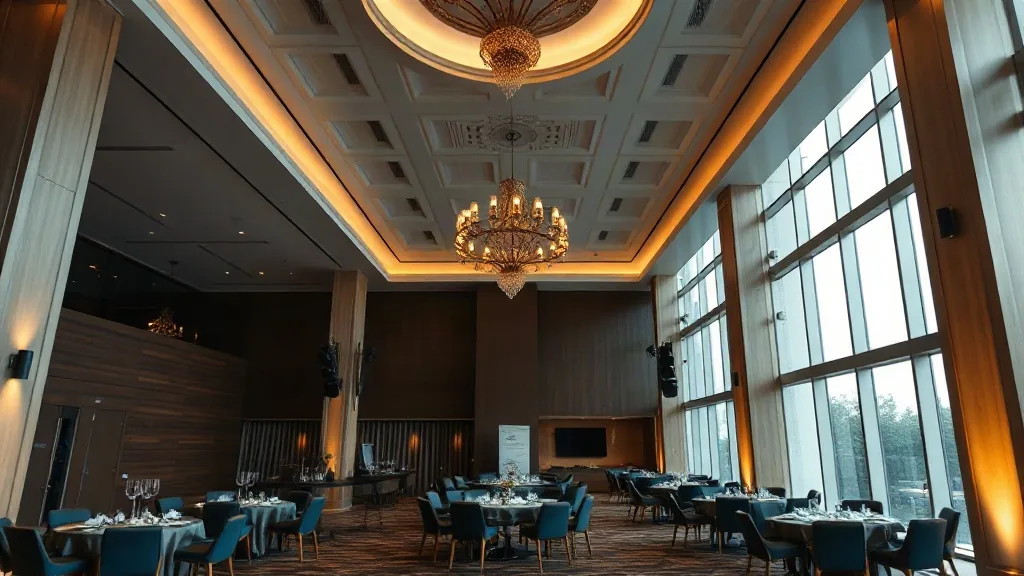 Guide
Your CFO is not asking whether the event was fun. She is asking what the pipeline, retention, or productivity return was against a hard cost. Here is the frame finance actually uses and the numbers to bring before she asks.
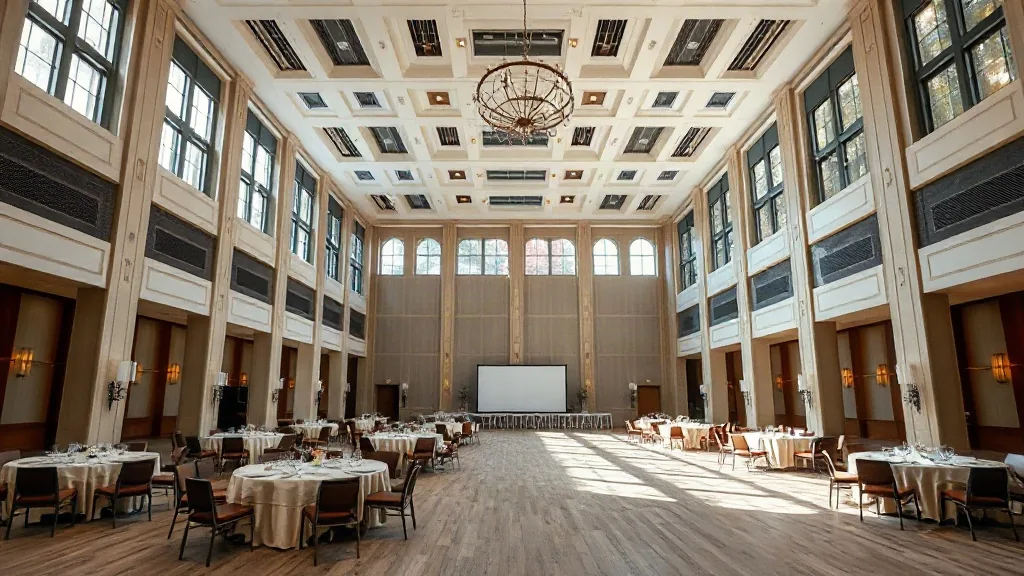 Guide
You do not need a sustainability firm and a $12,000 engagement to put a defensible carbon number on your event. Here is the back-of-envelope method I use, the three lines that dominate the total, and where to find the data for free.
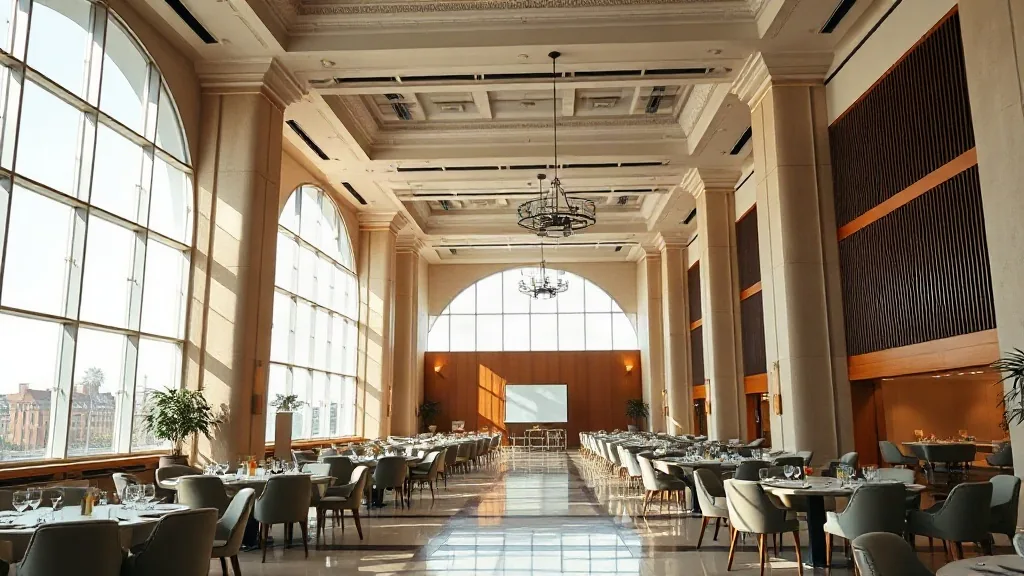 Guide
A $14,000 catering loss reveals why zoo and garden events need a real weather backup plan.
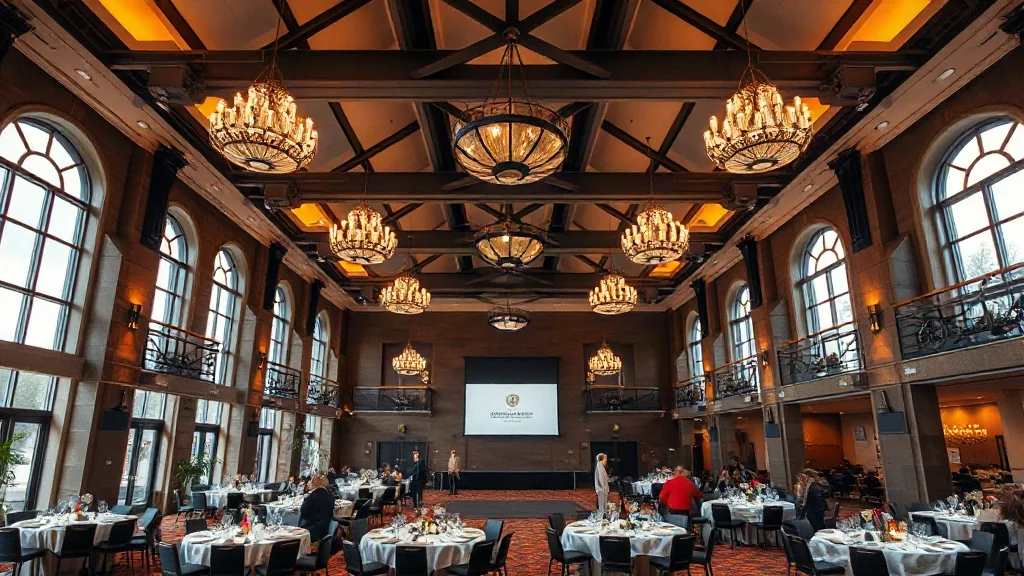 Guide
The COI request looks like paperwork and turns into a fire drill three days out because the additional-insured wording is wrong. Here is exactly what the venue is asking for, what the terms mean, and how to get it right the first time.
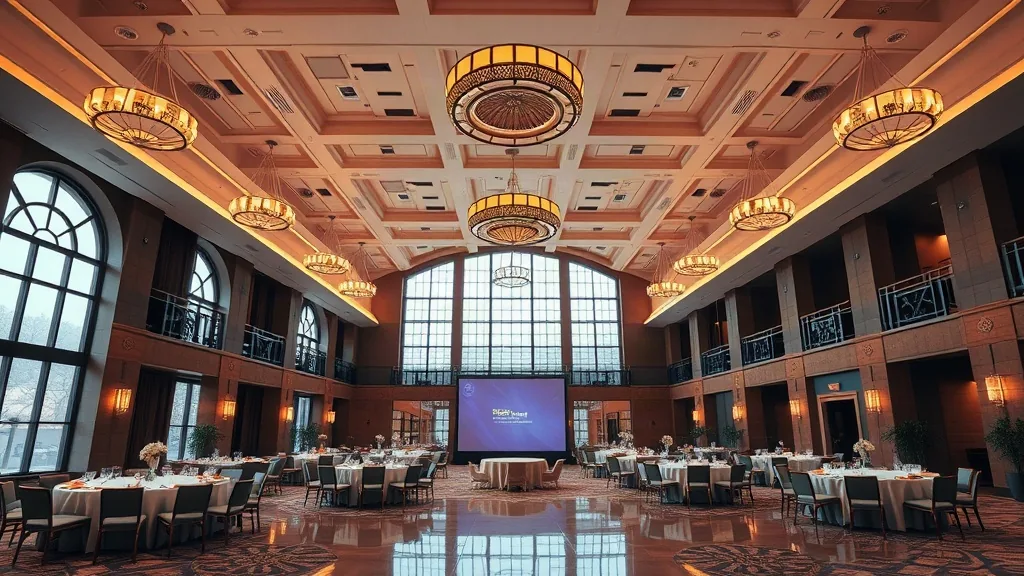 Guide
An airwall is not a real wall, and the drumming keynote next door will bleed straight into your quiet training session. Here is the clap test I run on every site visit and the room-assignment tricks that keep two sessions from stepping on each other.
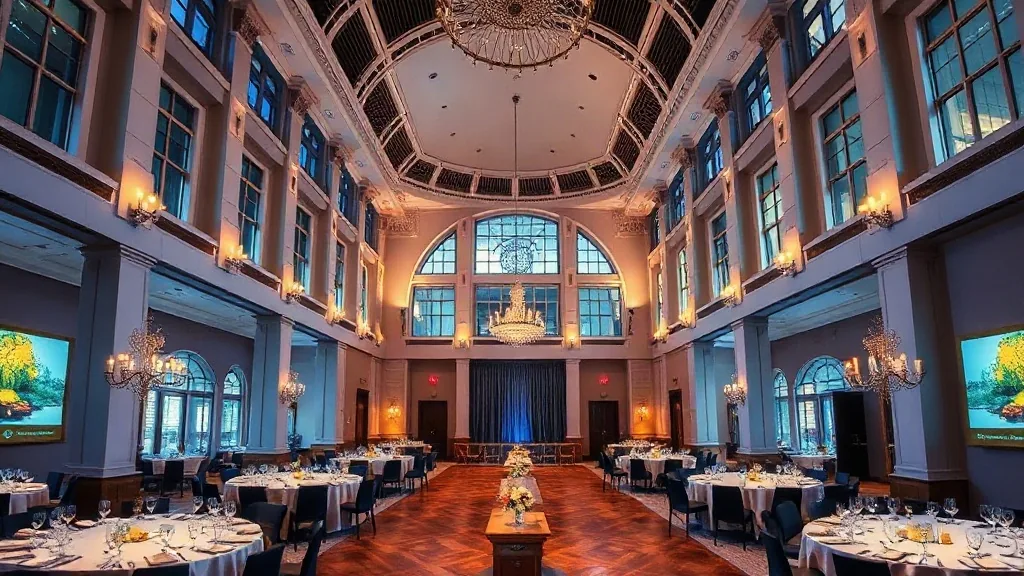 Guide
Yacht club events hinge on dock access and tide schedules, not just ballroom size, for your guest count.
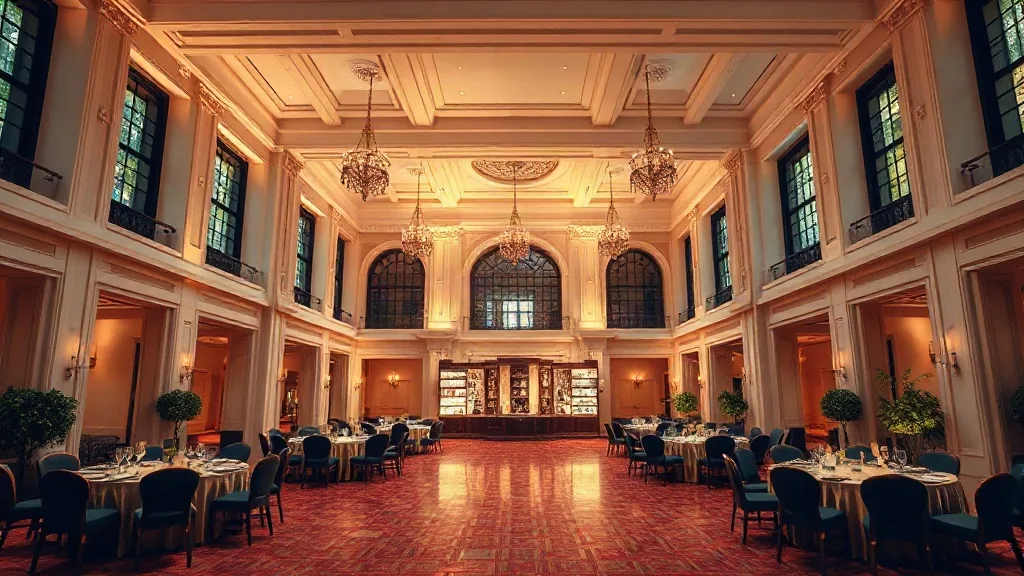 Guide
A January kickoff means booking a venue that works when the temperature drops and the roads ice over. Here is how I plan for weather, short daylight, and a room full of people about to disappear into tax season.
 Guide
Most planners send a venue inquiry that triggers ten emails of clarification before anyone gets to a quote. Here's the brief I send instead — usually gets me a real quote in 48 hours.
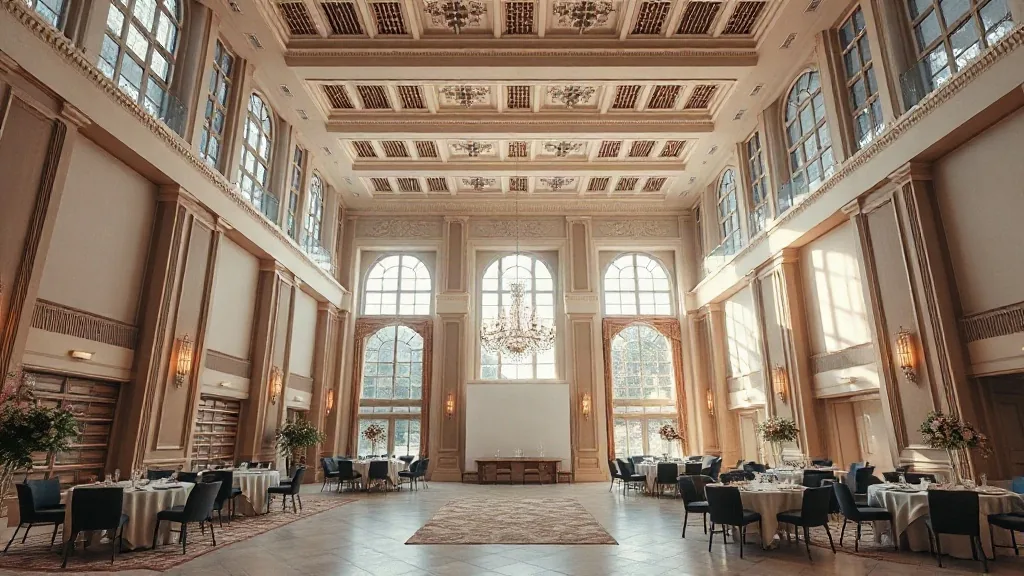 Guide
University summer venues rent at half the cost but demand three months of lead time for approvals.
 Guide
Renting a working photo studio for your product launch costs far less than a ballroom and grants total creative control over the space.
 Guide
A twelve-person CAB dinner lives or dies on whether everyone can hear the person across the table. The room, the table shape, and the acoustics matter more than the menu. Here is how I set a dinner where the conversation is the deliverable.
 Guide
Art insurance covers the work, not the venue’s liability limit.
 Guide
The soda gun and a lonely pitcher of iced tea tell a third of your guests they were not planned for. Here is how to build a non-alcoholic program with real cost math, so the sober guest gets a drink as good as the open bar.
 Guide
A $40,000 floral budget and a $12,000 one can look identical in the photos that end up on the recap deck. The camera reads focal points, not total spend. Here is where to put the money so the room shoots well and where to stop.
 Guide
Coworking day rates cover the room and Wi-Fi, not extra chairs, staffing, or setup for more guests than booked.
 Guide
A venue owed my client a $9,000 refund and sat on it for 71 days with no clause forcing their hand. Here is the refund-timeline language that puts a deadline and a consequence in the contract, and how to collect when they stall.
 Guide
A launch livestream dies on the upload path, not the download speed. The venue's fiber, the encoder settings, the backup bond, and who owns the drop all matter more than your camera. Here's the checklist I run before I trust a room with a stream.
 Guide
Empty arenas slash premium suite costs by 60 percent on non-game days.
 Guide
In a union house you do not touch your own gear. The stagehands do, at posted rates with minimum calls and overtime rules that can double a load-in bill. Here is how the labor math works and where it is negotiable.
 Guide
Warehouse permits can cost more than the build itself, so budget for the paper trail first.
 Guide
Most hybrid failures are not the software, they are a single point of failure nobody planned a backup for. Here is the streaming stack I build so the remote audience stays connected even when the venue wifi drops at the worst moment.
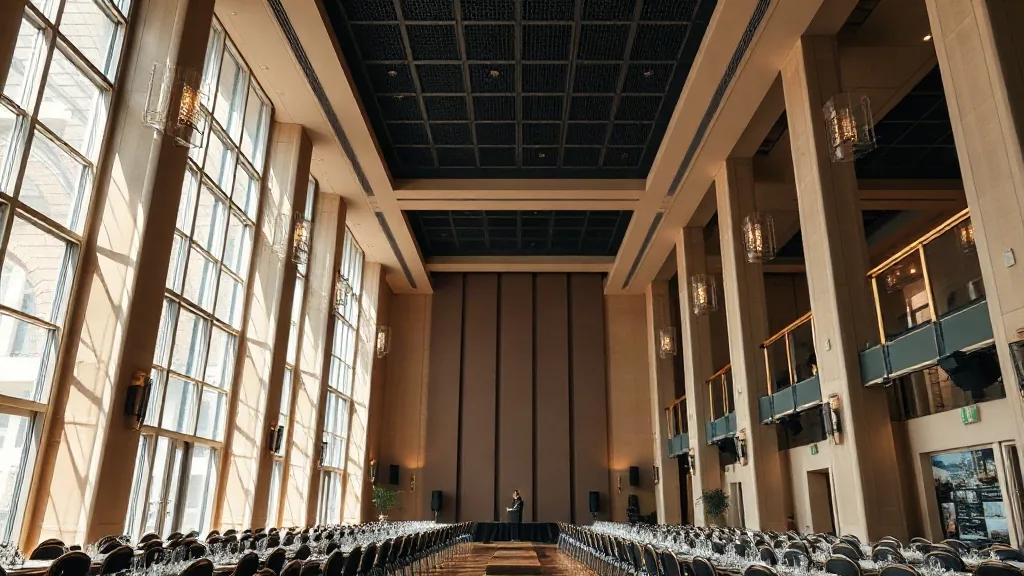 Guide
Find internal all-hands venues with permanent stages instead of renting temporary rigs.
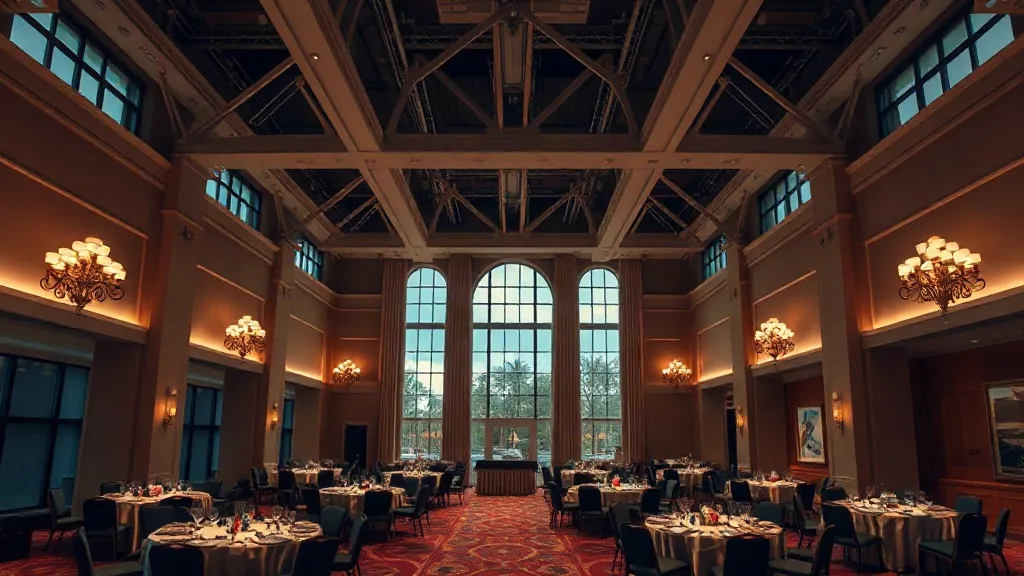 Guide
A ballroom photo never shows the two columns in the middle of the room or the 11-foot ceiling that cannot hang a screen. Here is how I read a floor plan for the sightline traps that seat 80 people behind a pillar and shrink your stage.
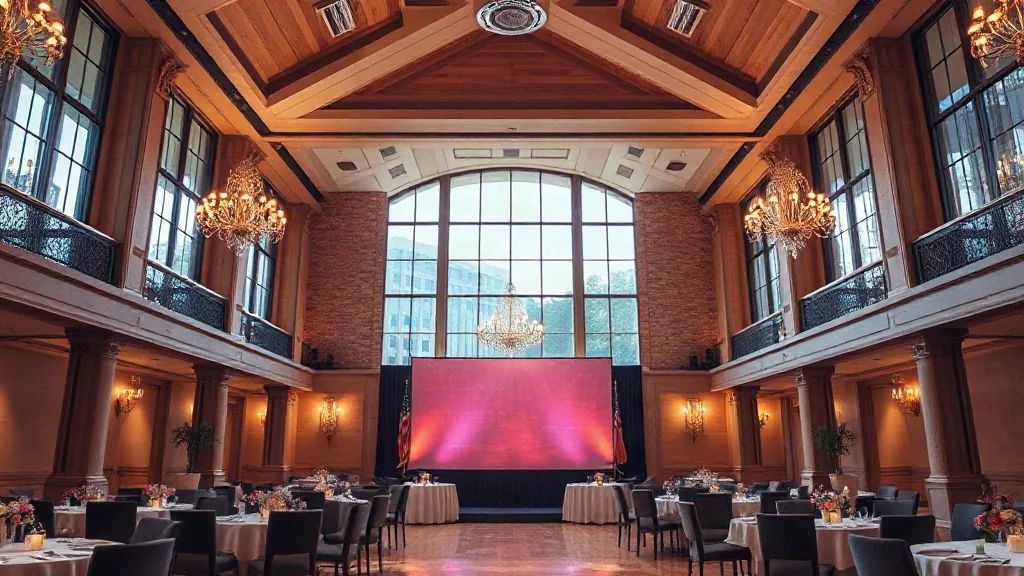 Guide
The venue quote covers the room. It does not cover the power, the rigging, the internet, and the labor a SaaS user conference actually needs. Here is the AV load that blows up first-timer budgets, and how to price it before you sign.
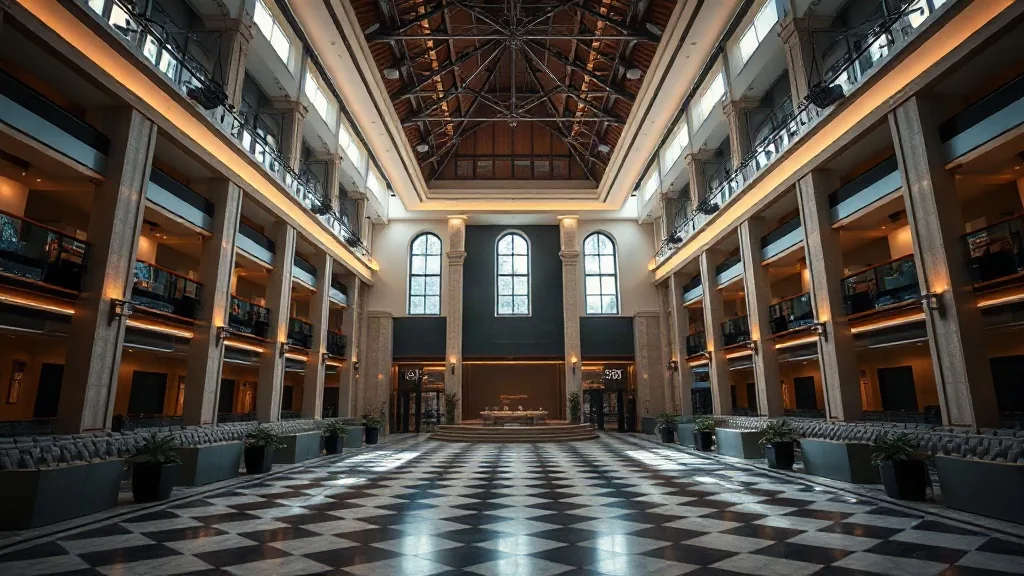 Guide
A 24-inch stage with no ramp means anyone in a wheelchair cannot present, accept an award, or join a panel. The ramp is cheap if you order it a month out and a rush-rate scramble if you find the gap at rehearsal. Here is the spec and the math.
 Guide
F&B minimums are the most misunderstood line in venue contracts. They're not the price. They're the floor. Here's how they actually work, with eight real contract excerpts from my files.
 Guide
After-hours museum events cost thousands, plus mandatory security and a ban list of rooms.
 Guide
You do not need a livestream truck to walk away with usable session recordings. A two-camera capture with a clean audio feed gives marketing months of content for a fraction of broadcast cost. Here is the setup and the budget.
 Guide
A RevOps offsite is a working session, not a keynote, and a ballroom with theater rows is the wrong tool for a team that needs to map a pipeline on a wall. Here's the room, the wall space, and the setup I book when the whole point is to redesign the funnel by Friday.
 Guide
Eight hundred franchise owners hit a buffet at the same minute and the line stalls at the carving station. Feeding a convention this size is a throughput problem, not a menu problem. Here is how I move 800 people through lunch in 45 minutes.
 Guide
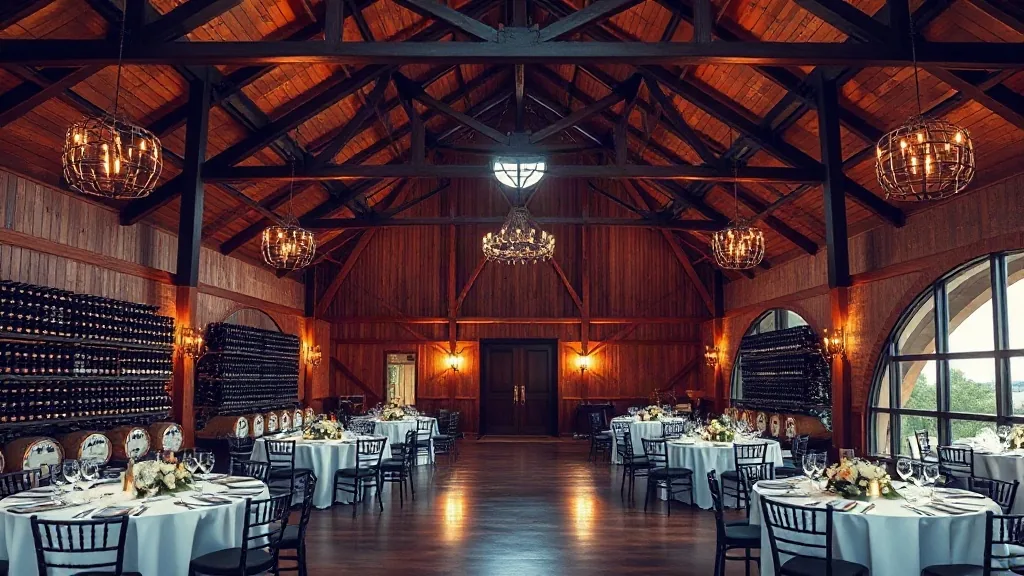
Book a winery dinner in March or shoulder months to dodge peak pricing and $900 patio heaters.
 Guide
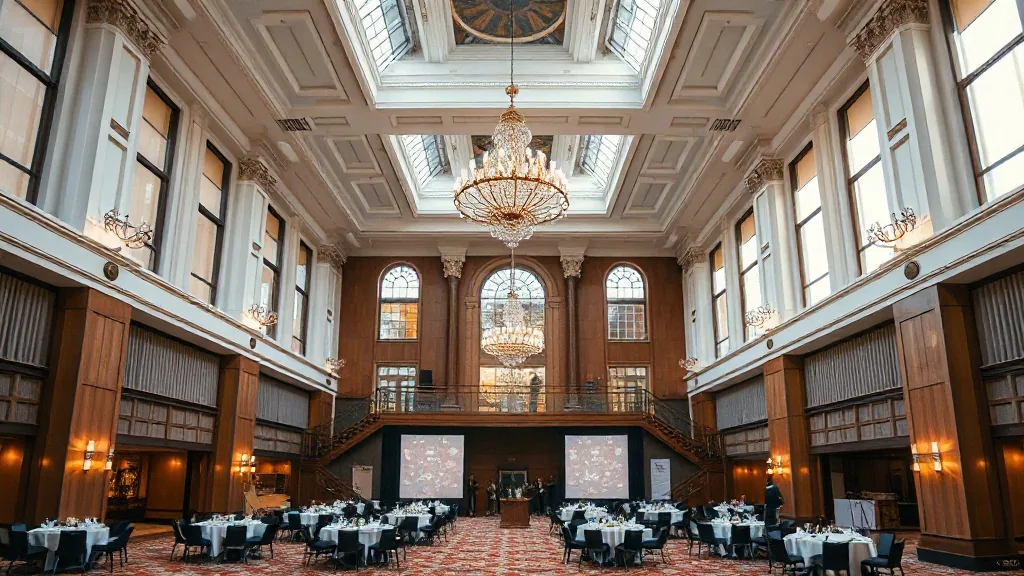
A $9-per-head late-night snack does more for the mood of a multi-day event than a $180 dinner. Here is what to serve, when to time it, and how to negotiate it onto the contract without blowing the F&B minimum.
 Guide
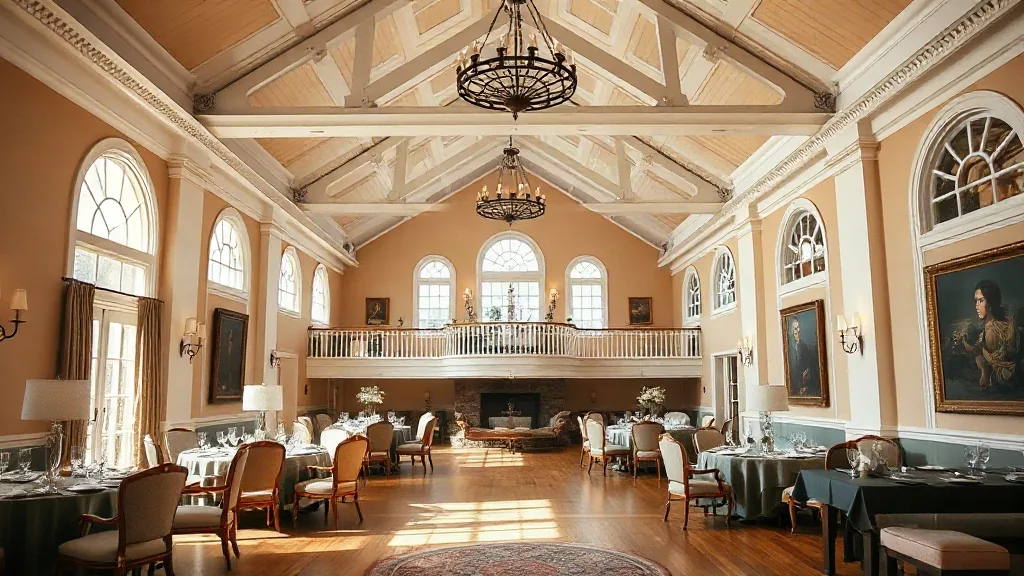
A $62,000 country club buy stalled on a two-week member sponsorship check.
 Guide
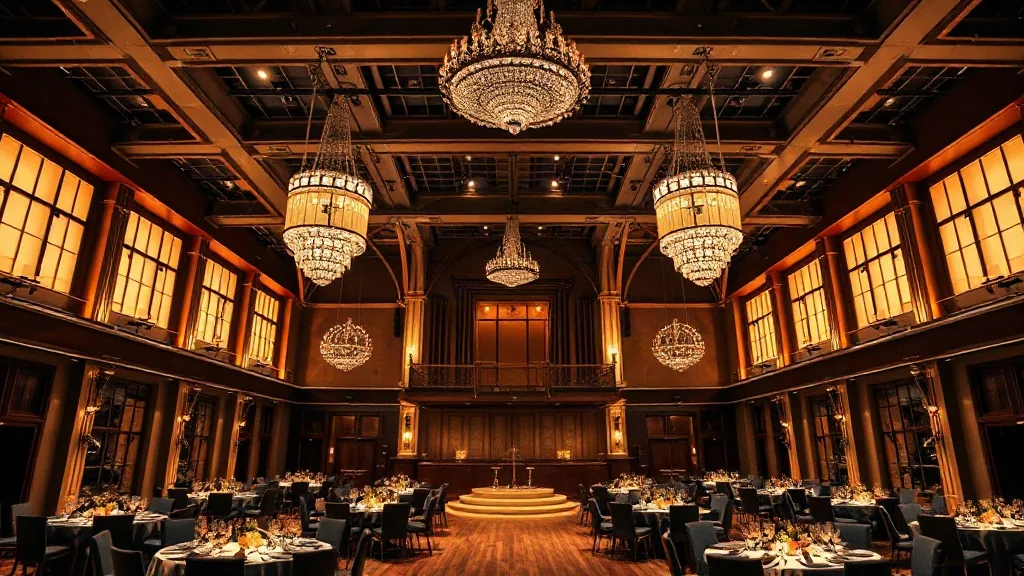
Temp staff run $28 to $45 an hour with a four-hour minimum, and the difference between a smooth check-in and a 20-minute line is how you order and brief them. Here is how many bodies you actually need and how to keep the agency markup honest.
 Guide
I've signed something like 380 venue contracts in fourteen years. The pattern of what kills budgets is repetitive. Here are the eleven clauses I scan for first, with examples of what you'd actually see and how to push back.
 Guide
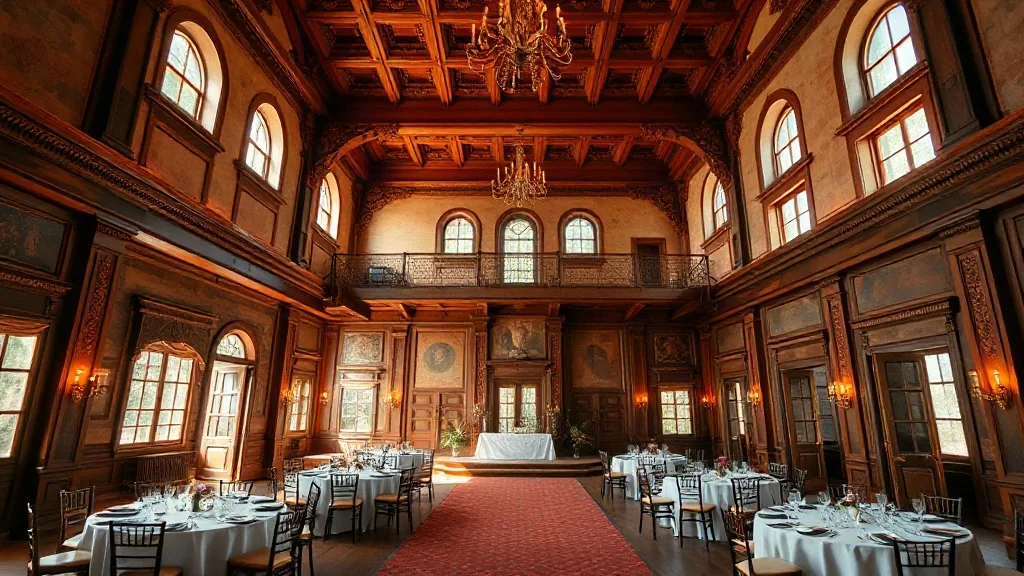
Historic mansion venues often hide brutal load-in logistics behind their facades, where staircases turn event setups into costly climb.
 Guide
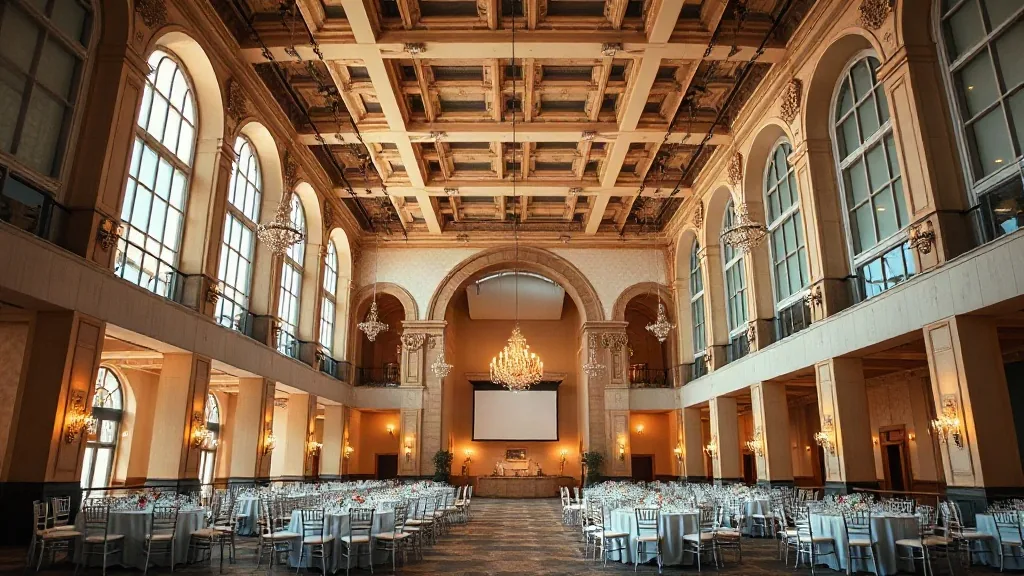
March through May is when trade shows and industry conferences own the calendar, drive up hotel rates, and swallow the good ballrooms. Here is how I book a spring corporate event without paying the conference-season premium.
 Guide
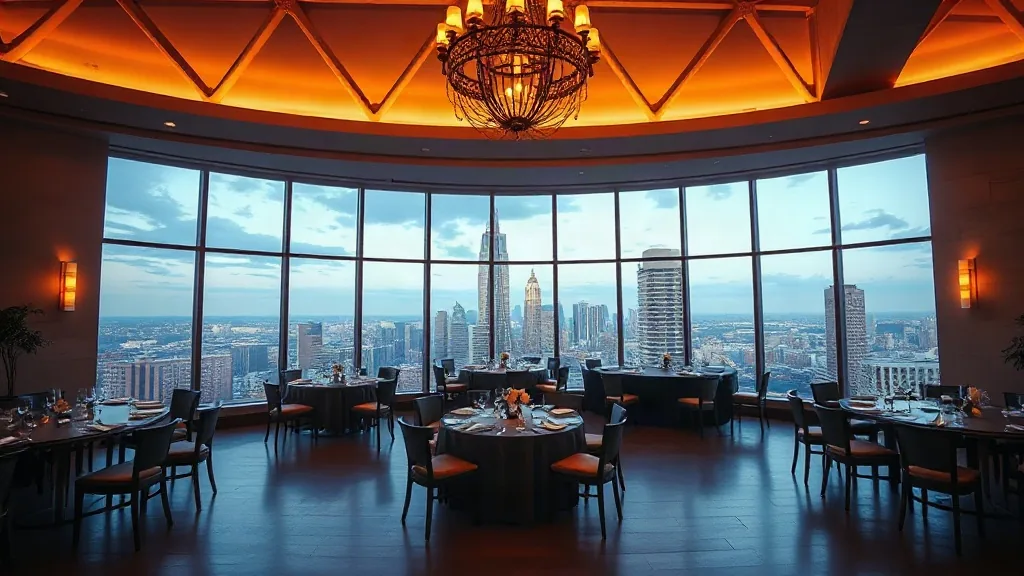
Rooftop venues rarely disclose the wind speeds that can cancel your event before you sign.
 Guide
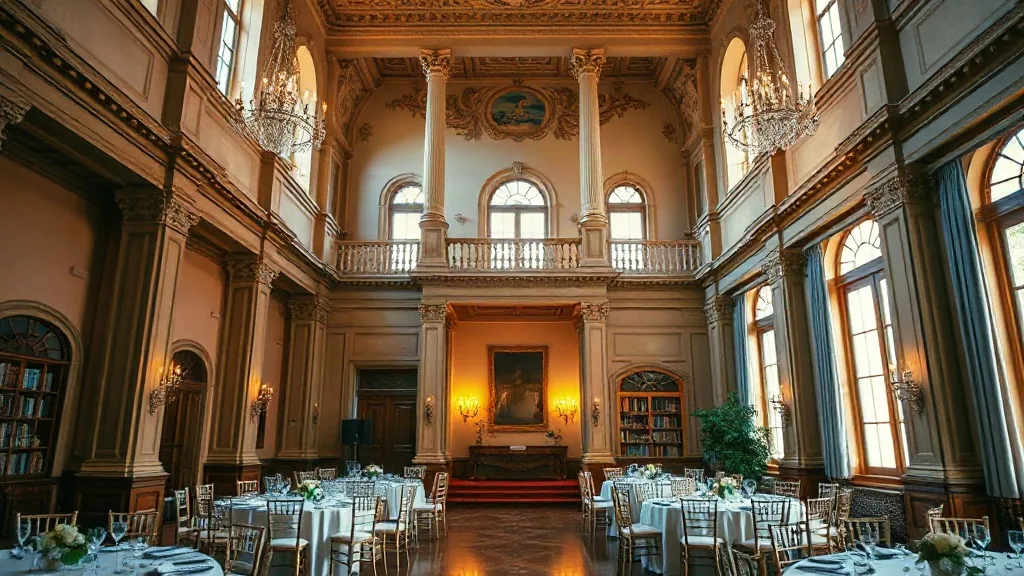
A finance client’s twelve-person retreat swelled to thirty, triggering a $4,700 food minimum.
 Guide
Hybrid events sound simple — in-person attendees plus a livestream — and they are brutally not. Here's what I've learned from 23 of them about AV, the budget surprises, and the four things that actually matter.
 Guide
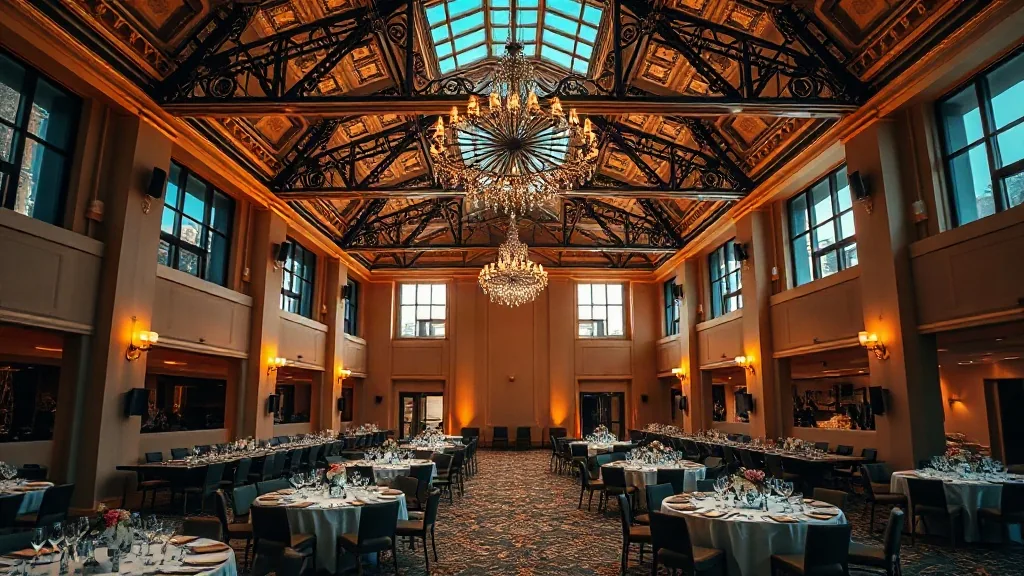
An LED video wall can cost four times what projection does for the same stage. Sometimes it earns every dollar and sometimes it is a vanity line. Here is the decision I run, room by room, on when to spend for LED and when projection wins.
 Guide
Forty guests hits the pricing sweet spot where venues demand minimums built for sixty.
 Guide
For a one-day meeting with fly-in attendees, an airport venue can hand you back a full day of travel and a few thousand dollars in hotel nights. Here is when it works, when it backfires, and the drive-time math that decides it.
 Guide
Hosting analyst day at your own headquarters looks free and looks authentic. It's often neither. Here's the honest comparison I run for clients, from the true cost of a converted lobby to what a hotel ballroom buys you that your office can't.
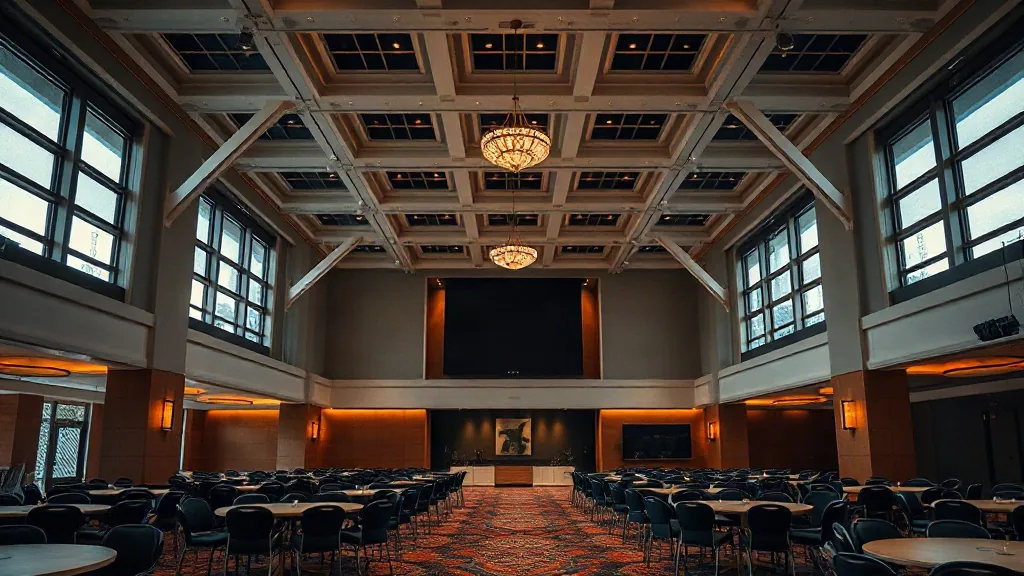 Guide
Live captions and sign-language interpreters fail for boring, fixable reasons: no audio feed, no internet drop, one interpreter for a six-hour day. Here is how I book both so they actually work, and what each one costs.
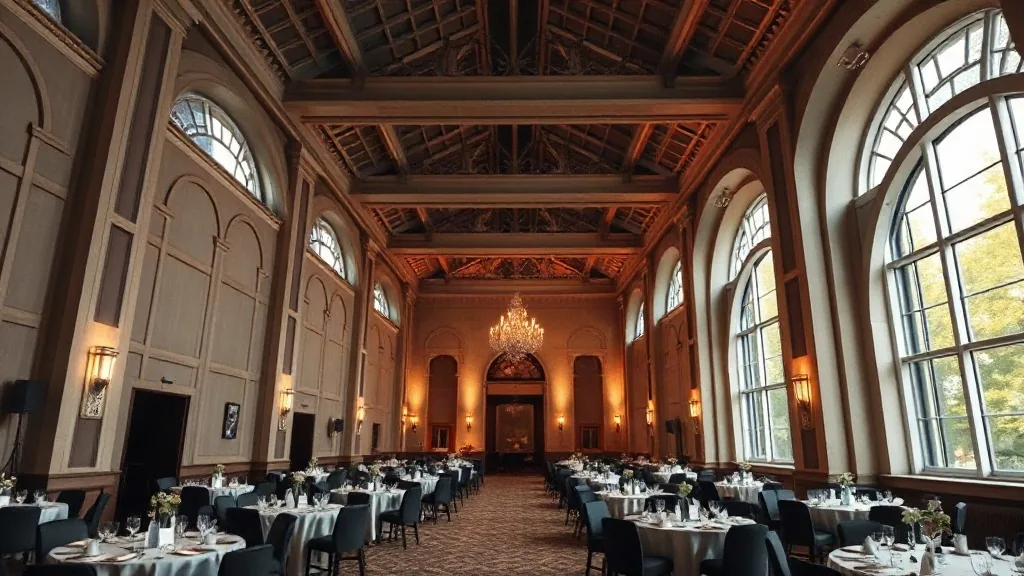 Guide
A confidence monitor shows the speaker their slides. A comfort monitor shows them the clock and the room. Most speakers get lost because the stage gives them one and not the other. Here is how I set up both so nobody freezes on stage.
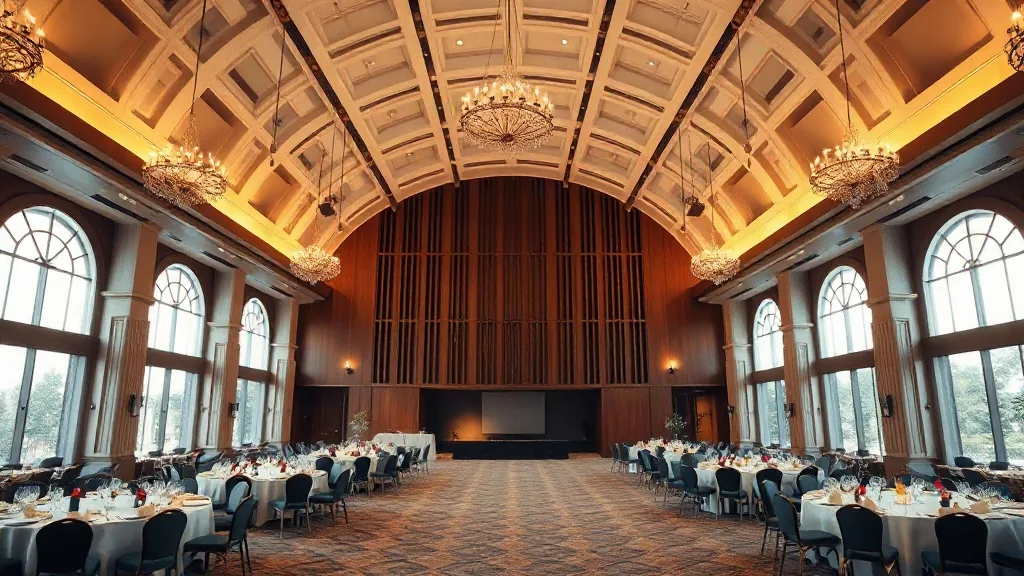 Guide
A President's Club trip has to feel like a prize and still pass a compliance review. Here is how I book the reward tier so the winners feel celebrated and the contract does not blow up on attrition or a rain date.
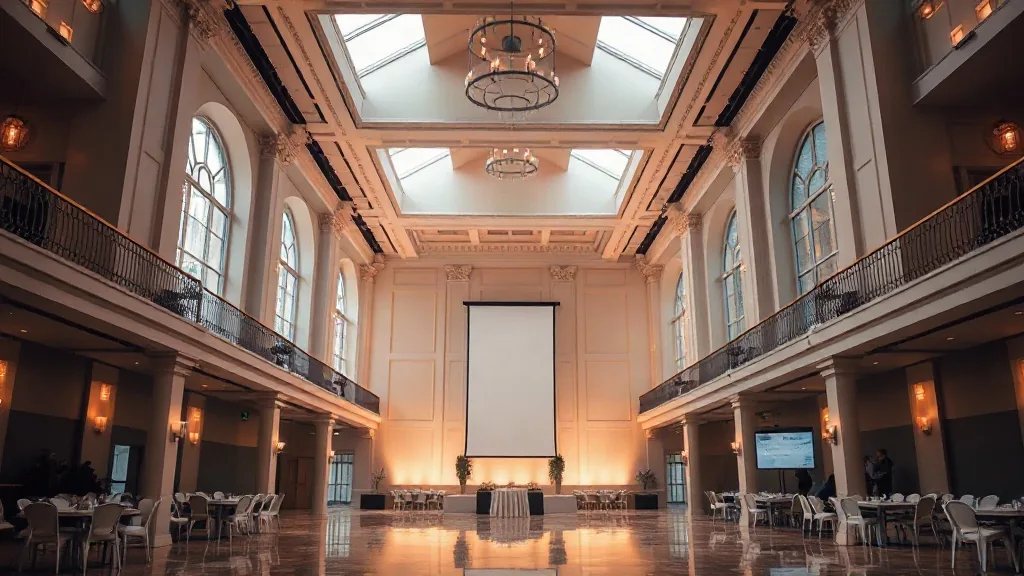 Guide
A venue wanted 100 percent by check 14 days out. My finance team needed net-30 and a PO. Both were right, and the fix took one clause. Here is how to structure venue payment so it clears procurement without blowing the deposit deadline.
 Guide
The CEO will not rehearse and will not memorize, so the teleprompter is your whole plan. Here is how I pick presidential glass versus a confidence monitor, staff the operator, and stop a prompter from making a speaker look like they are reading.
 Guide
Audiovisual is where the cleanest contracts go to die. Here's the list I run with the venue tech lead before I commit — most of these will only get answered if you ask.
 Guide
The 150-guest event falls between venue sizes, so planners must restructure rooms to make it work.
 Guide
A safety standdown fails when 300 field crew sit in theater rows and half of them can't discuss anything. The room setup is the meeting. Here are the layouts that get real participation and the ones that waste the day.
 Guide
A 500-person event needs a floor plan drawn to scale, not a ballroom sketch.
 Guide
One unarmed guard runs $35 to $55 an hour with a four-hour minimum, and the number you need is a formula, not a guess. Here is how I size a security team by event type and headcount, and the line items that turn a simple quote into a five-figure one.
 Guide
A press event lives or dies on whether your feed reaches the outlet. Most venues sell you a room and hope the upload works. Here is what to verify before you invite a single reporter or camera crew.
 Guide
A 1,400-person sales kickoff taught one planner to look beyond the hotel.
 Guide
Nobody optimizes breakfast, so it is where the easiest savings and the biggest perceived-value wins hide. Here is the per-head math on continental vs plated vs grab-and-go, and how I use breakfast to fund the rest of the day.
 Guide
Hotel chains, independent event spaces, and historic venues all have different deposit and cancellation norms. Here's the actual market by tier, with the asks I make to bring deposits down by 30-50%.
 Guide
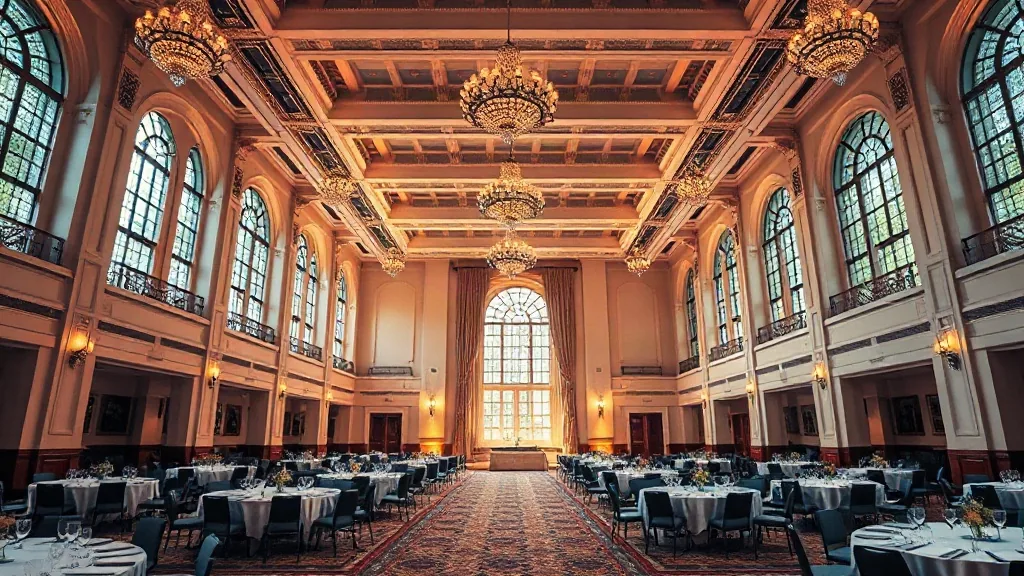
January Q1 kickoff venue bookings have surged 13 percent, forcing planners to hunt scarce inventory.
 Guide
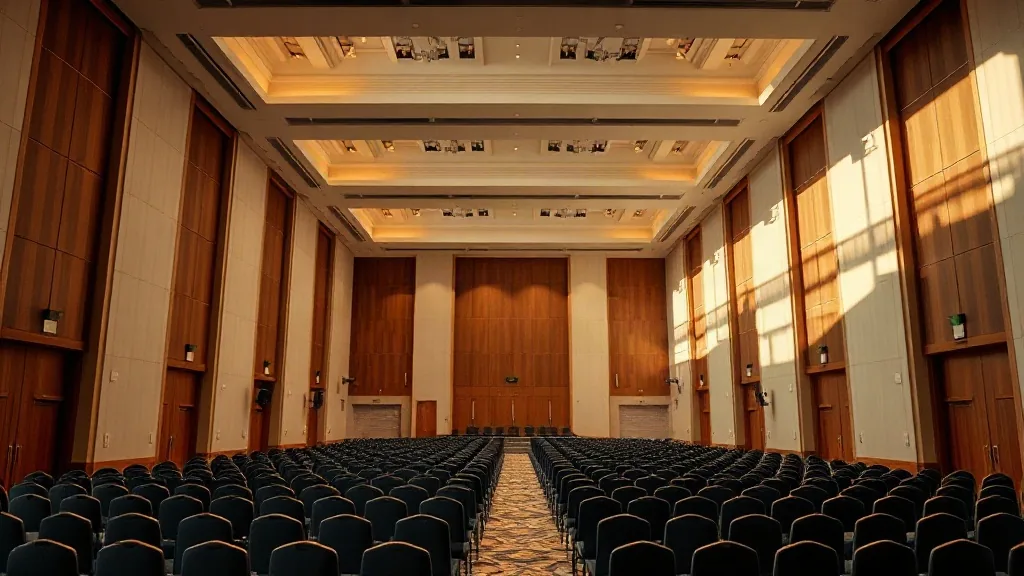
Late September and October venue availability shifts as fiscal year-end clients book with signed POs and $150,000 budgets.
 Guide
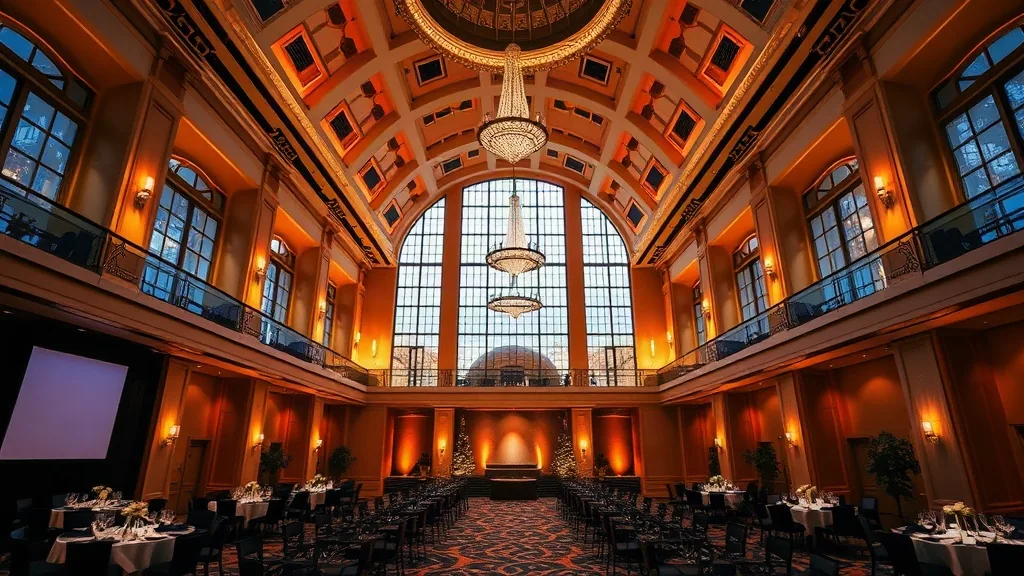
The seating style you pick decides how many people fit, how they interact, and whether the room reads full or empty. Here is how I match theater, classroom, crescent rounds, and pods to the actual job of the session.
 Guide
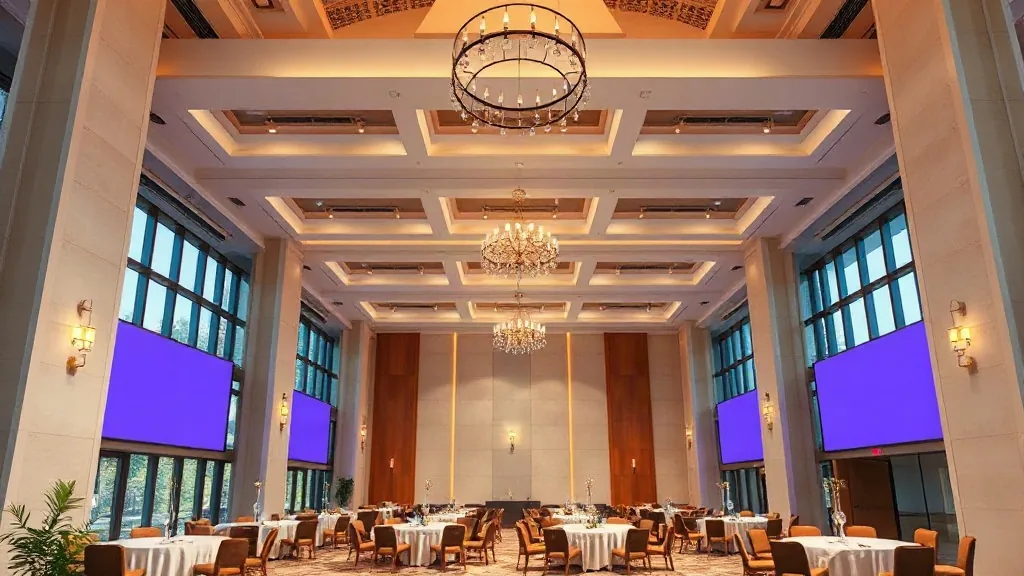
An HR leadership retreat talks about comp, terminations, and org design in the open, so the venue's privacy and sound isolation matter more than its spa. Here's the checklist I run before booking one, from soundproofing to the breakout ratio to the contract line that protects the discussion.
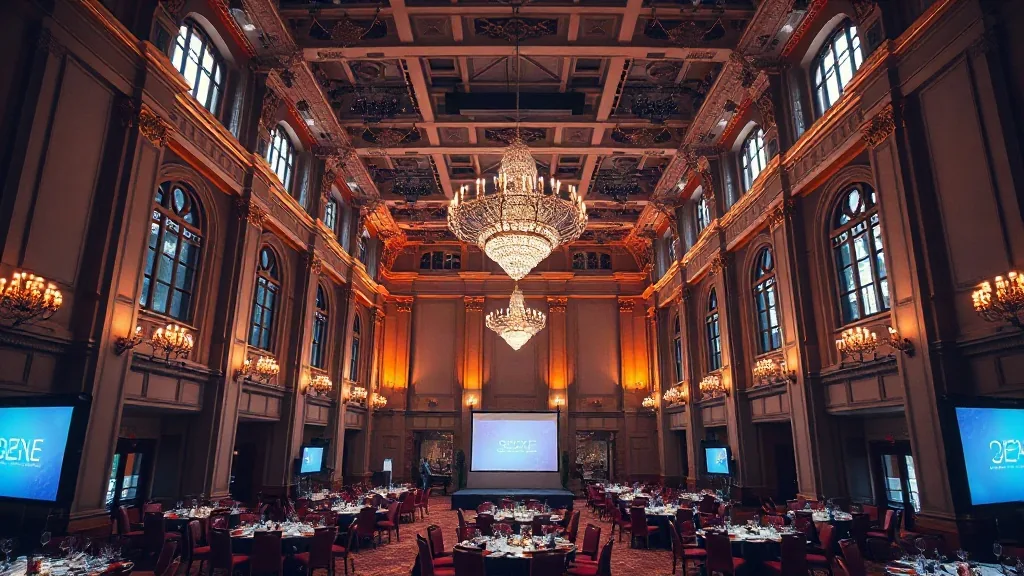 Guide
In Washington, August hotel rates drop 70 percent, but not every city follows that pattern.
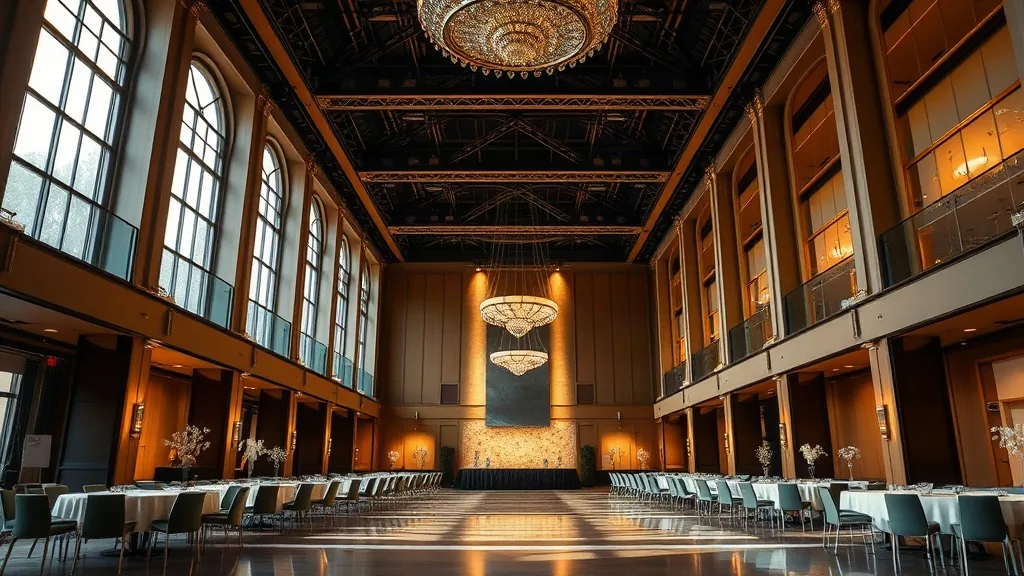 Guide
Corkage, cake-cutting, plating, and chef-attendant fees can add thousands to a banquet bill that looked finished. Here is every hidden per-item charge I hunt for before signing, and what each one should actually cost.
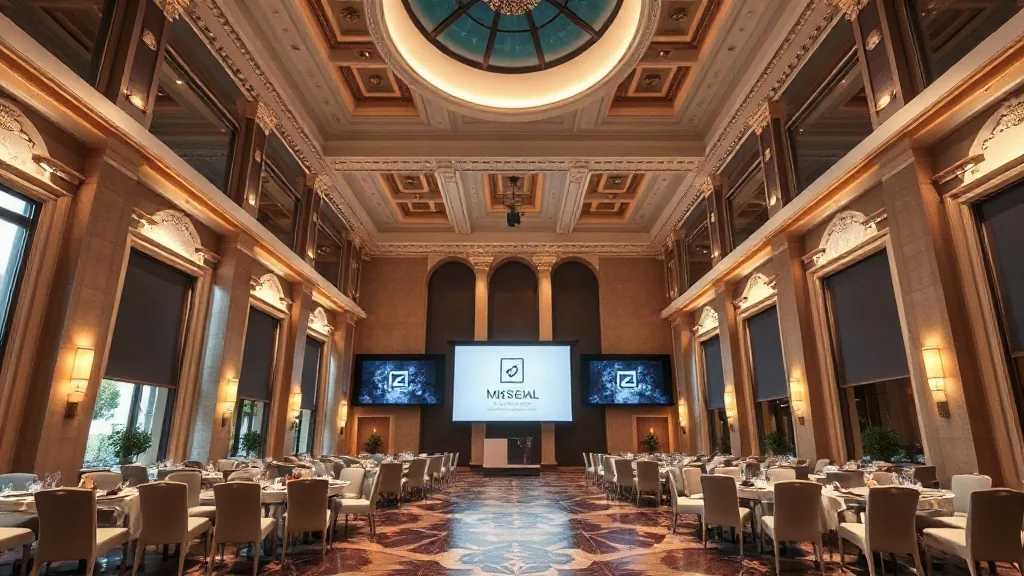 Guide
Thanksgiving week event bookings come with deep discounts but sparse attendance.
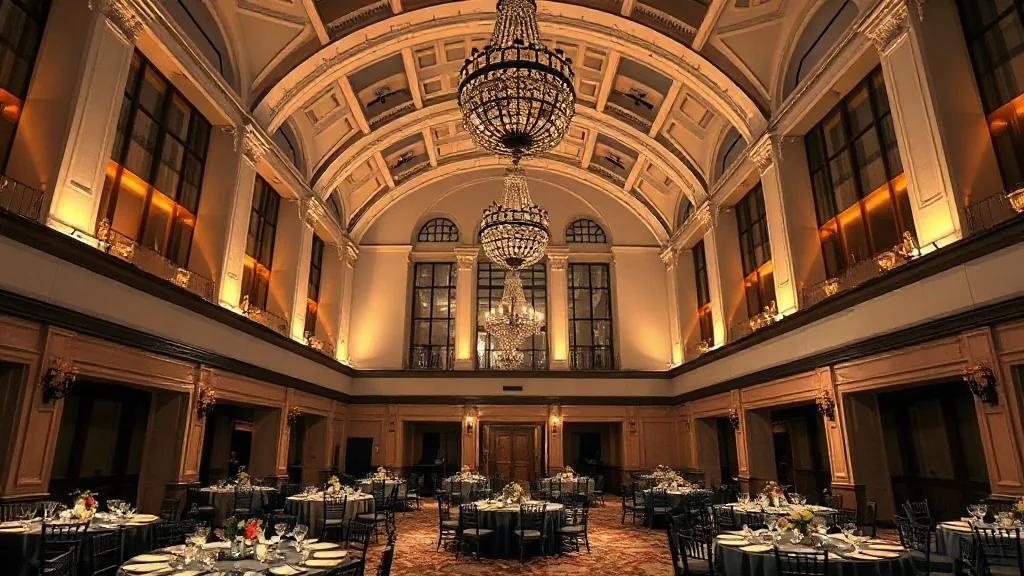 Guide
Hospital leadership meetings carry patient data into hotel ballrooms, and most venues have no idea. Here is how I pick a room, lock the privacy terms, and keep a health-system offsite clean of compliance risk.
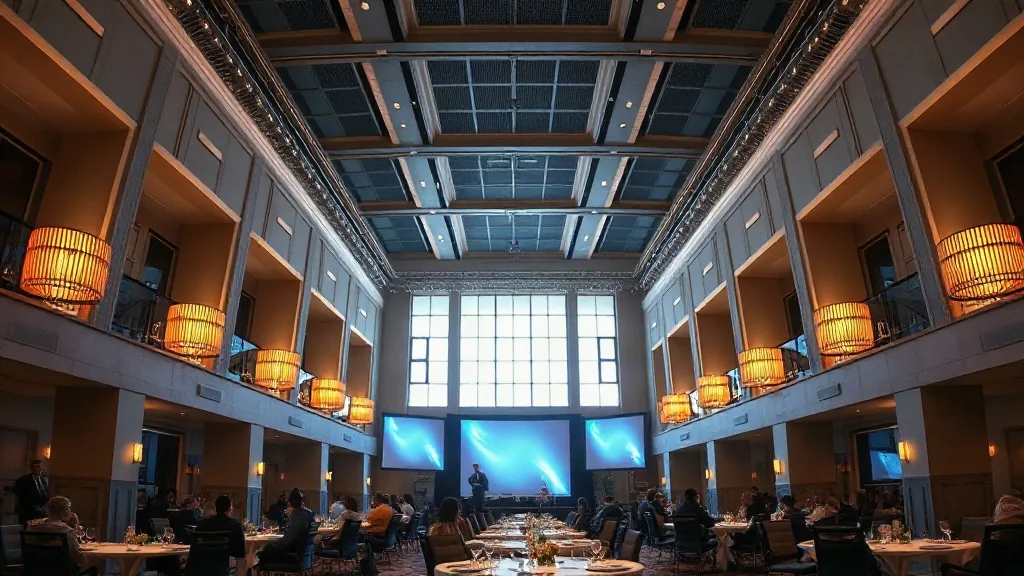 Guide
A citywide convention devoured every hotel room, costing one client $38,000 in avoidable overcharges.
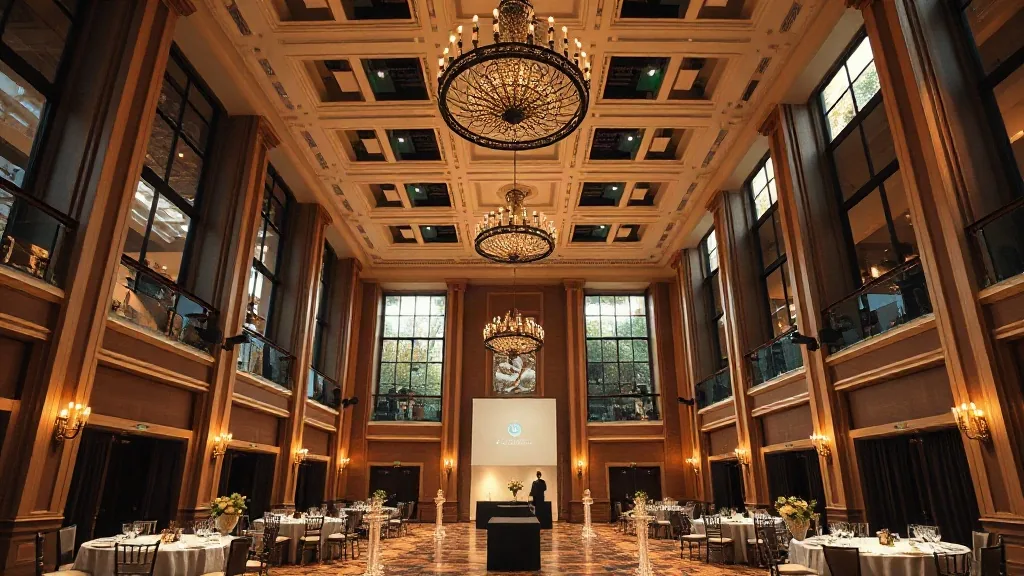 Guide
The venue says wifi is included, and that is exactly why your livestream buffers and your registration app freezes at 9am. Here is how house wifi actually works, what to order instead, and the line item that keeps 300 laptops online.
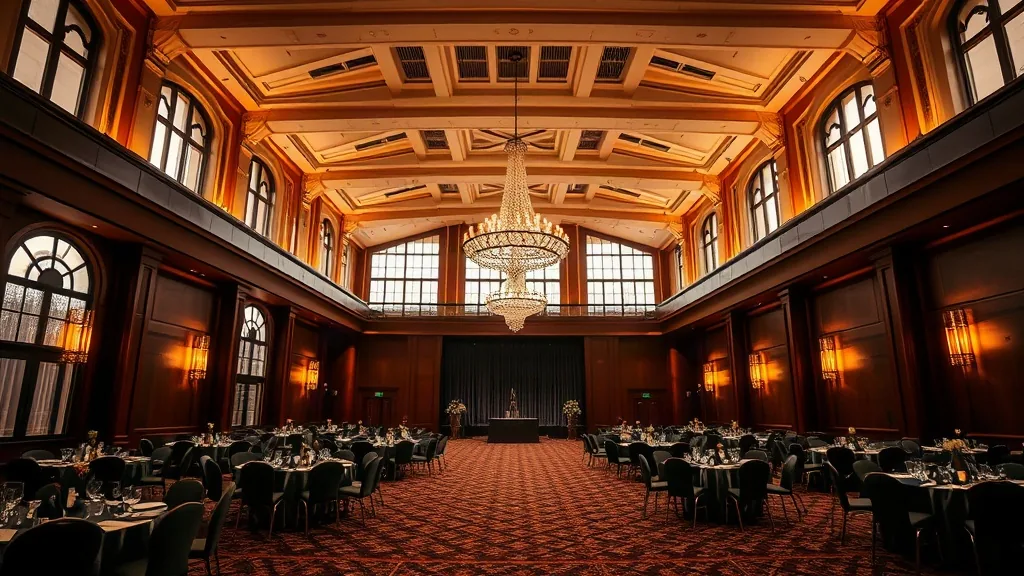 Guide
Two amenities that association and policy events now expect, and that most venues handle badly by default. Here is what the building actually offers, what you can convert on the day, and the language I put in the contract so it is not a surprise.
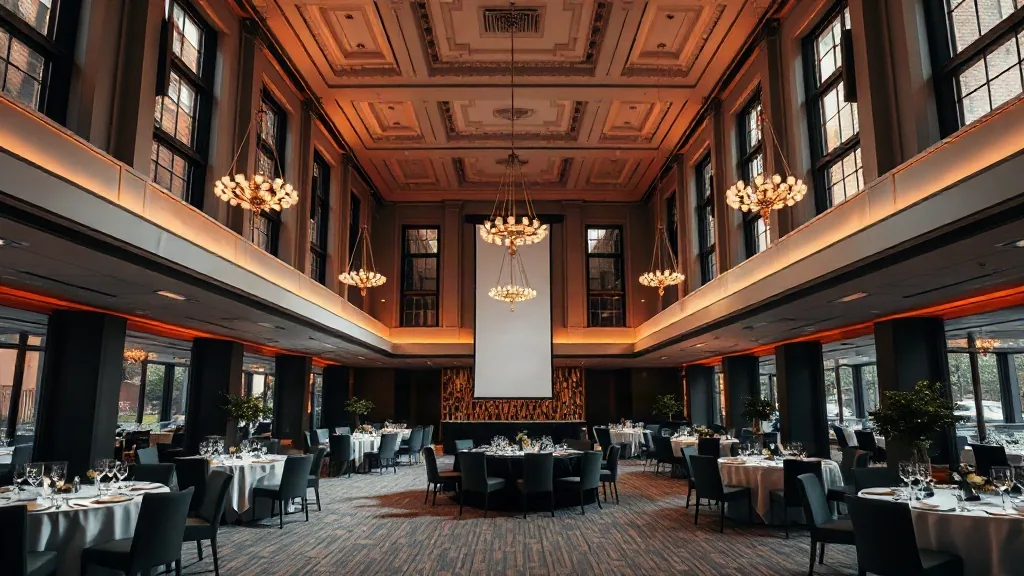 Guide
When a public company puts guidance on a screen, a dropped webcast is a disclosure problem, not a tech glitch. Investor day AV needs redundancy at every layer. Here's the single-point-of-failure map I walk before a CFO ever takes the stage.
 Guide
A $32 resort fee across 180 room-nights is $5,760 that never appears in your rate comparison. Parking validation math runs the same way. Here is how to price both into the real cost and where the negotiation actually lands.
 Guide
Before your AV vendor quotes a stage, they need to know what the ceiling holds and what fits through the door. Ask these venue questions during the site visit and you avoid the 6am load-in that discovers the truck cannot get in.
 Guide
When 900 attendees sleep across four hotels and convene at one center, the shuttle plan is the difference between a full room at 9am and a trickle. Here is how I build the loop, size the fleet, and keep the 8:45 crush from breaking the schedule.
 Guide
An outdoor venue without a weather clause is a bet you did not know you placed. Here is the contract language that moves the rain risk off your budget, the tent math, and the call-time deadline that decides who pays.
 Guide
A fintech launch party has a second guest list you can't see: compliance. Gifts, giveaways, recorded claims, and who pays the bar tab all get reviewed. Here is how I plan the night so legal signs off the first time.
 Guide
Shoulder season savings range from $6 to $52 per person depending on city and month booked.
 Guide
A dealer meeting exists to write orders, not to entertain. The wrong room hides your product and buries the order desk. Here is how I lay out the space so the write-ups actually happen before everyone flies home.
 Guide
Seven remote-work onsite retreats taught me the real cost is measured in trust, not dollars.
 Guide
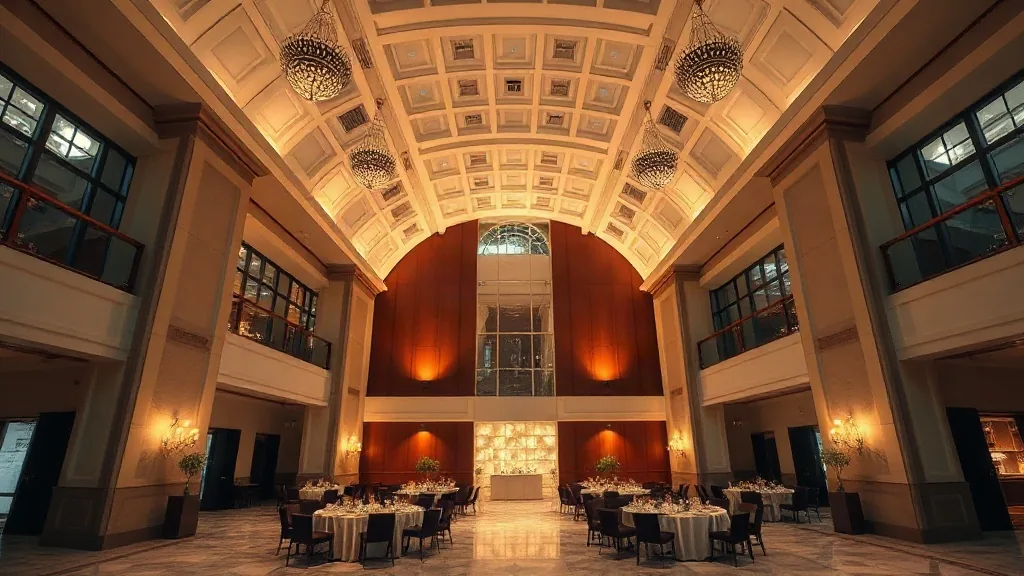
The 24 percent line on your banquet bill is not a tip, and in most states none of it is legally required to reach the servers. Here is what each fee is, where the money goes, and the questions that stop a five-figure surprise.
 Guide
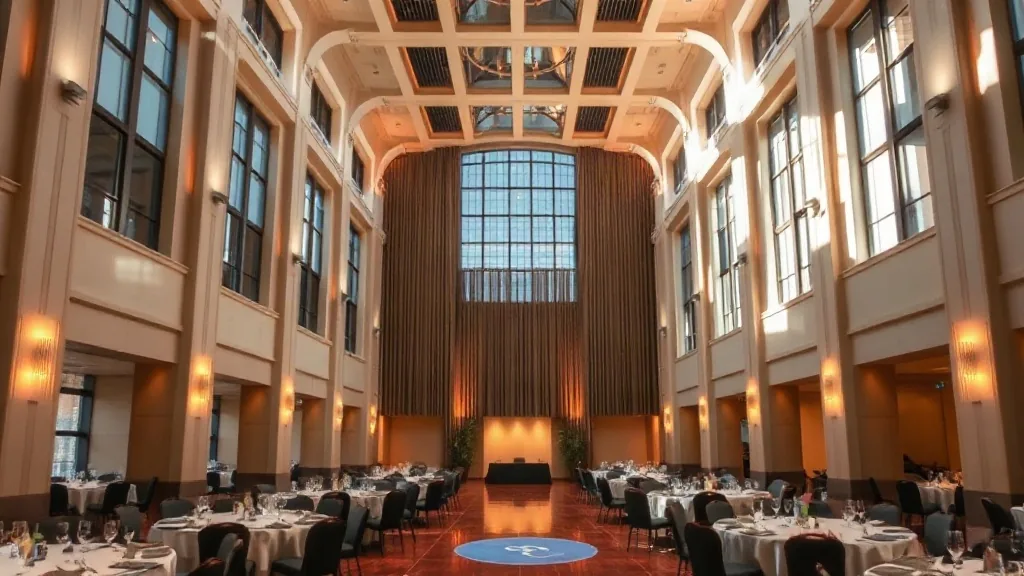
Flying a distributed team in: trim the venue budget, not the travel budget.
 Guide
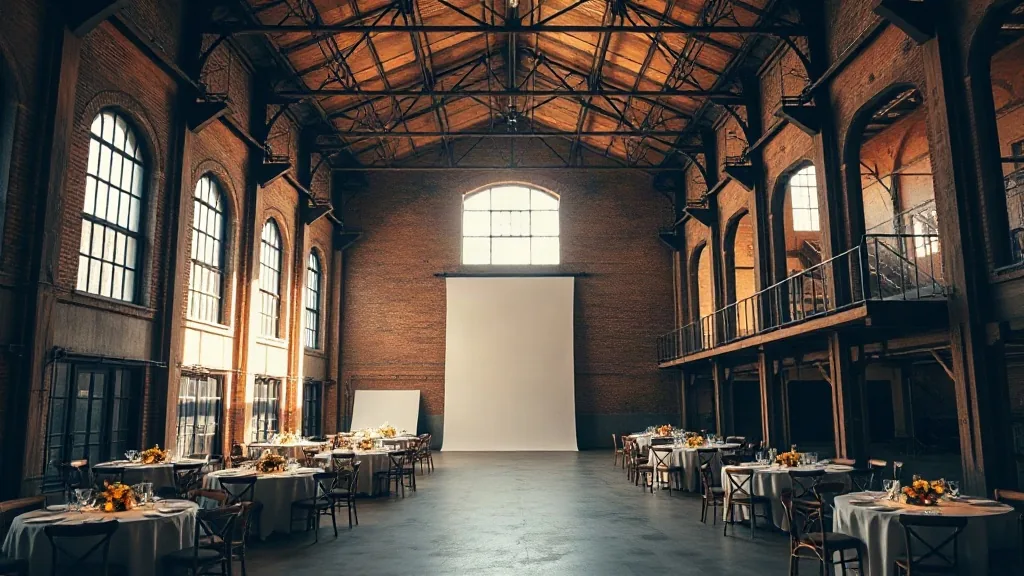
A hybrid offsite agenda fails when remote voices get lost; weld time-boxed blocks around attention curves to keep all 28 people engaged.
 Guide
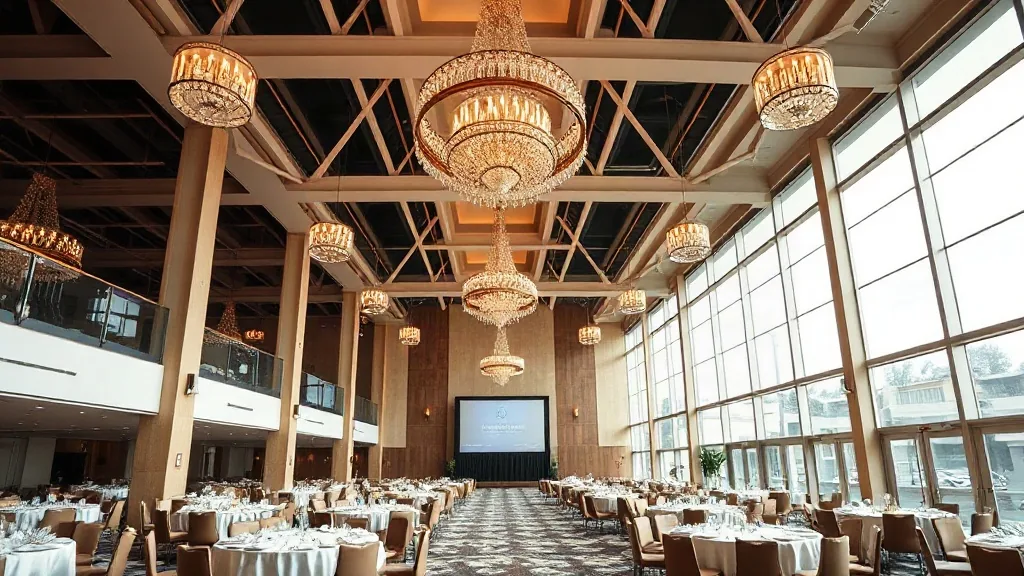
When four departments share one offsite, someone has to split the bill. Get the allocation method wrong and you spend three weeks in email fights. Here is the method I use to divide one invoice cleanly before the event even books.
 Guide
Global all-hands meetings fail when time zones force half the team to log off.
 Guide
A full dinner for 250 can run $30,000 before the bar. A late-evening dessert-and-coffee reception delivers the same networking and prestige for a fraction of it. Here is when the format works, the per-head math, and the mistakes that ruin it.
 Guide
Verify waste diversion claims at corporate events by requesting hauling manifests and third-party audits.
 Guide
Every SaaS company on earth wants a 400-person kickoff in the third week of January, and they all want the same kind of room. Here is which venue types go first and how far ahead you actually need to book.
 Guide
Someone junior usually gets handed the partner retreat and no rulebook. Here are the unwritten rules a law-firm retreat runs on, from hierarchy in the room to the private-dinner clause that decides whether it works.
 Guide
A 300-person conference in Orlando carries a 3.2-tonne carbon cost, but the real lever is travel, not the venue.
 Guide
A DEI summit that isn't accessible is a contradiction the whole room can see. Before you sign, run the venue through a physical audit the sales manager can't spin. Here's the checklist I walk with, from the loading dock to the restroom signage.
 Guide
An outdoor event runs on power you have to bring, and getting the load math wrong kills the show or trips a breaker mid-toast. Here is how I size generators, plan distribution, and keep a quiet dinner quiet when the tent has no wall outlets.
 Guide
A quiet room, a dimmer that works, and a sound system that does not peak at 95 decibels are cheaper than you think and mostly free if you ask before the load-in. Here is the production checklist I run so nobody spends a session in the hallway.
 Guide
A nonprofit paid 8.25 percent sales tax on a $60,000 event it never owed, because the exemption certificate arrived after the deposit posted. Here is the paperwork sequence, the states where it breaks, and how venues actually process an exempt invoice.
 Guide
A finance team doesn't need a lakeside firepit. It needs one quiet room, reliable power under the table, and a lunch that doesn't cost the afternoon to a food coma. Here's how I book offsites for teams that came to close the model, not to do trust falls.
 Guide
A DMC adds 15 to 20 percent to your ground costs, and on the wrong event that's pure markup. On the right one it's the cheapest insurance you'll buy. Here is how to tell which event you have before you sign the management agreement.
 Guide
Every badge scan and every event app is a data collection point, and in healthcare and finance rooms that turns into a liability fast. Here is what I collect, what I refuse to, and how I get consent that holds up.
 Guide
Venues make real money on in-house AV, and the markup hides in labor rules and connection fees, not the gear line. Here is how I read a house AV quote, when I fight it, and when the convenience is worth paying for.
 Guide
Dated signage costs thousands; reusable formats cut that bill by 80 percent.
 Guide
EV charging plans fail when venues count parking spaces, not working chargers.
 Guide
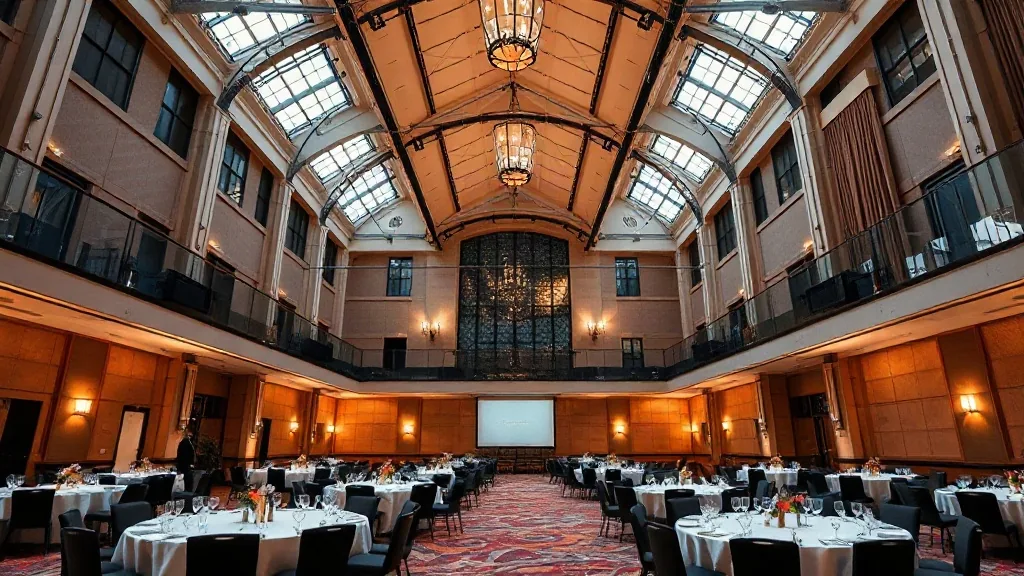
For 300 people you will have real allergies, and the venue's default plan is a sad plate improvised at the last minute. Here is the accommodation system I put in the contract so nobody at your event gets a shrug from the kitchen.
 Guide
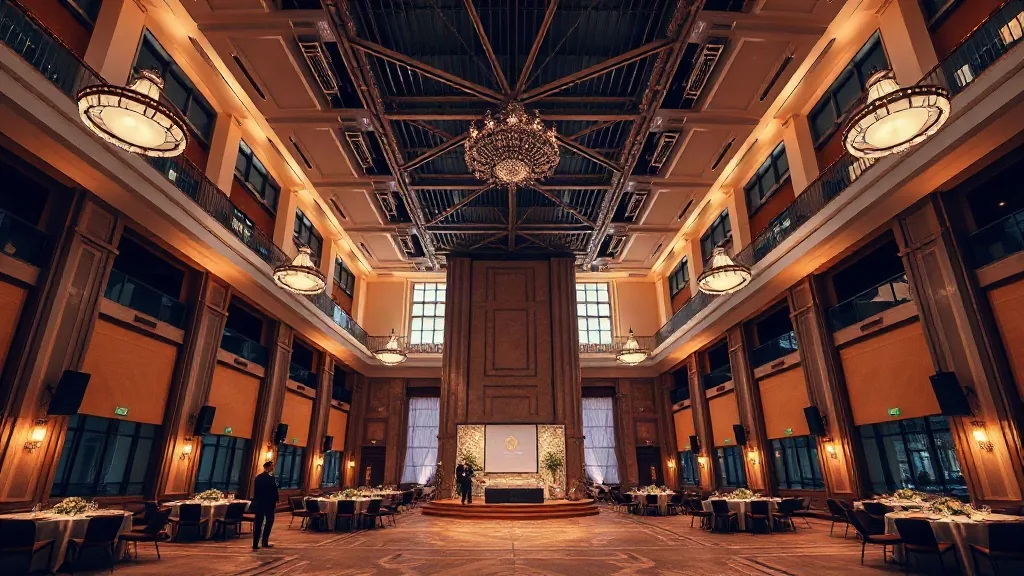
A discovery day sells the franchise before the FDD ever gets signed. The room you pick either backs up your $40,000 franchise fee or quietly undercuts it. Here is how I stage the day so the space does the persuading.
 Guide
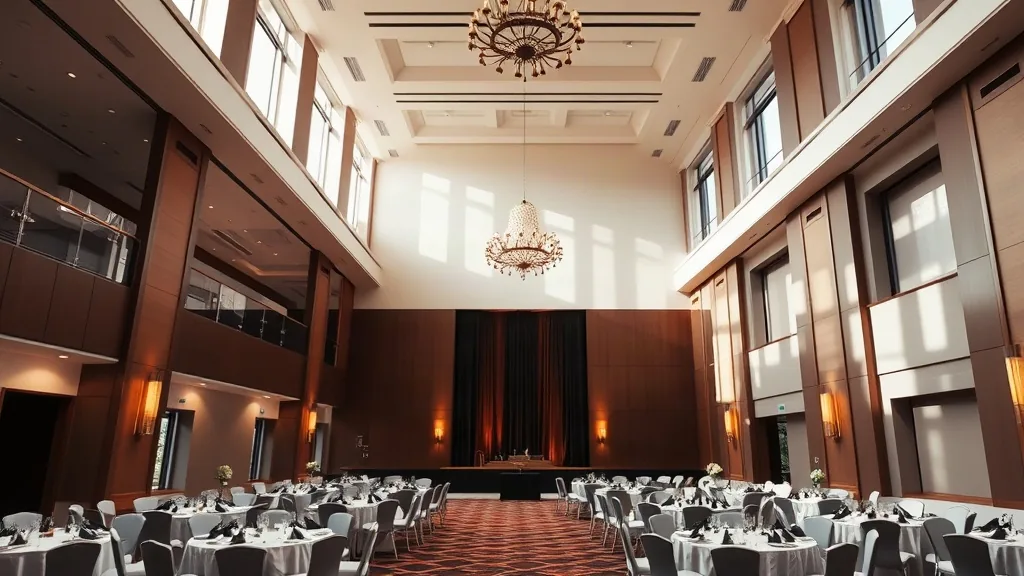
When your offsite bills back to a federal contract, the GSA per-diem rate is the real budget, not what the CFO approves. Here is how the lodging and M&IE ceilings shape venue choice, and what gets a cost disallowed on audit.
 Guide
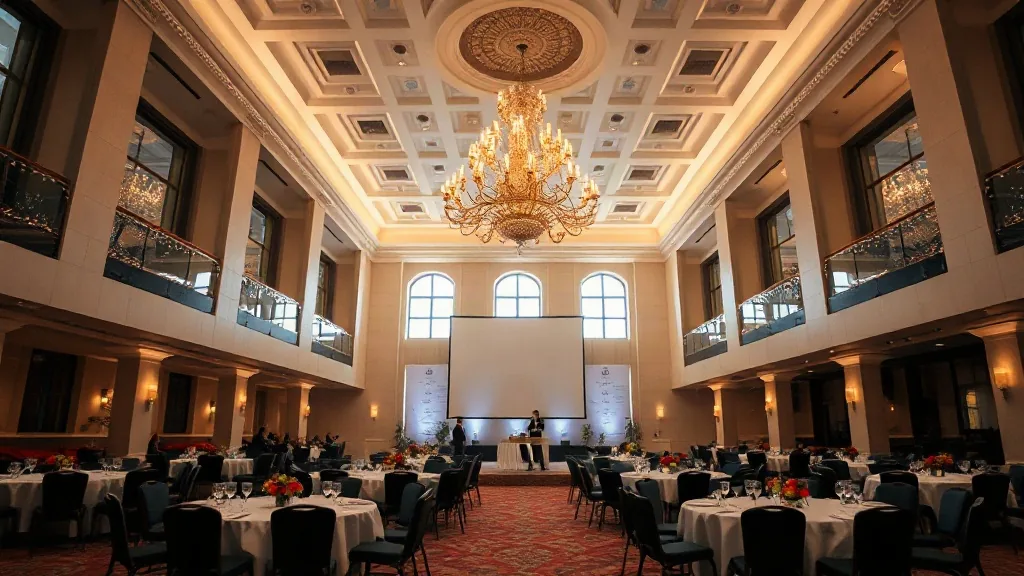
A marketing summit produces a year of clips if the room can shoot, and produces nothing usable if the ceiling is 9 feet and the walls are hotel-carpet beige. Here's the ceiling height, the wall backdrop, the power, and the load-in access that turn a venue into a content set you didn't have to build twice.
 Guide
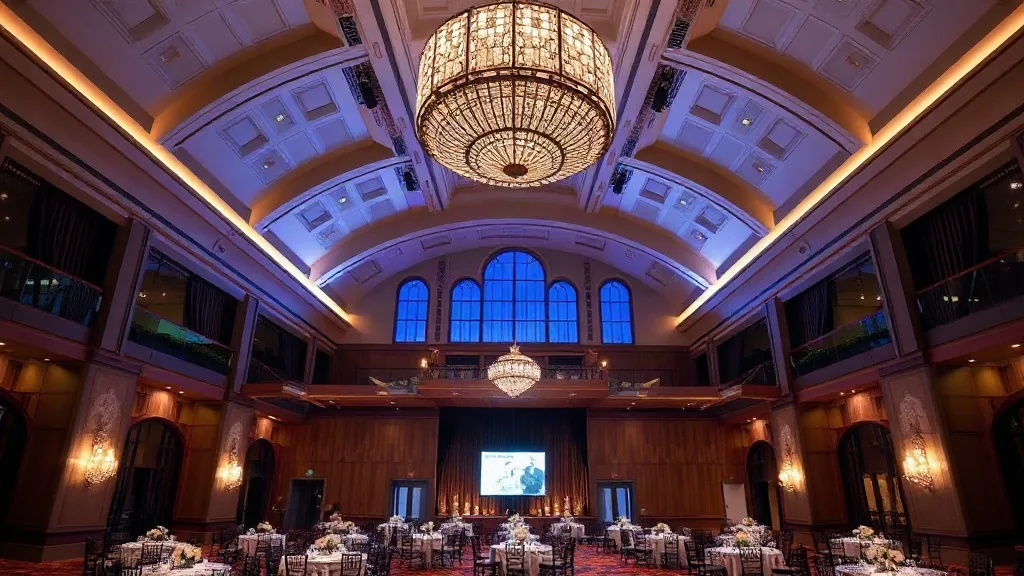
A three-year venue deal can lock in a rate and save real money, or trap you in a room your event outgrows. Here are the clauses that decide which one you get, and the walk-away signals I hold firm on.
 Guide
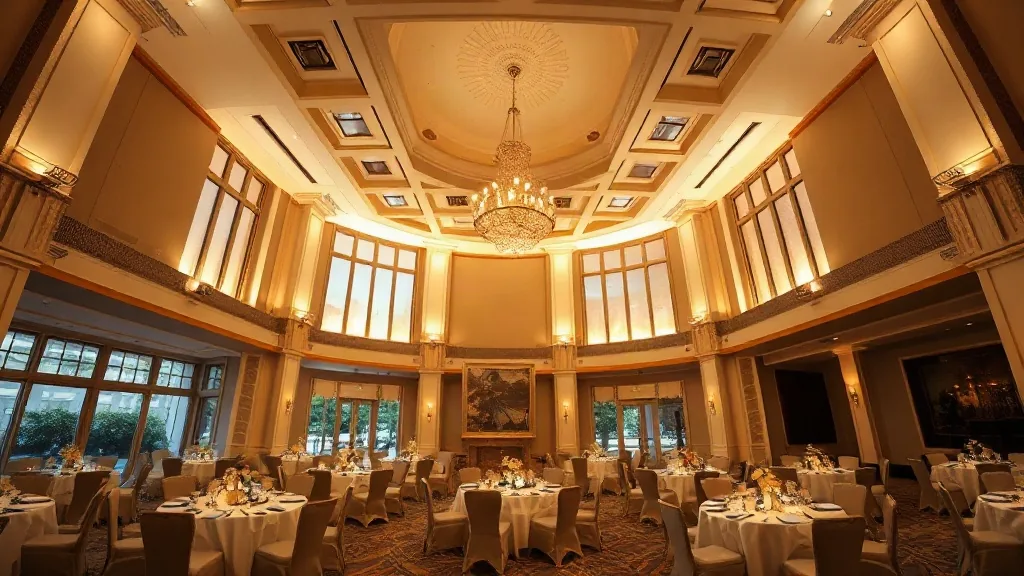
Planners cut the buffet and never look at the coffee line. On a two-day conference the breaks can outrun lunch on a per-head basis. Here is where the money goes and how I trim a break budget without a caffeine revolt.
 Guide
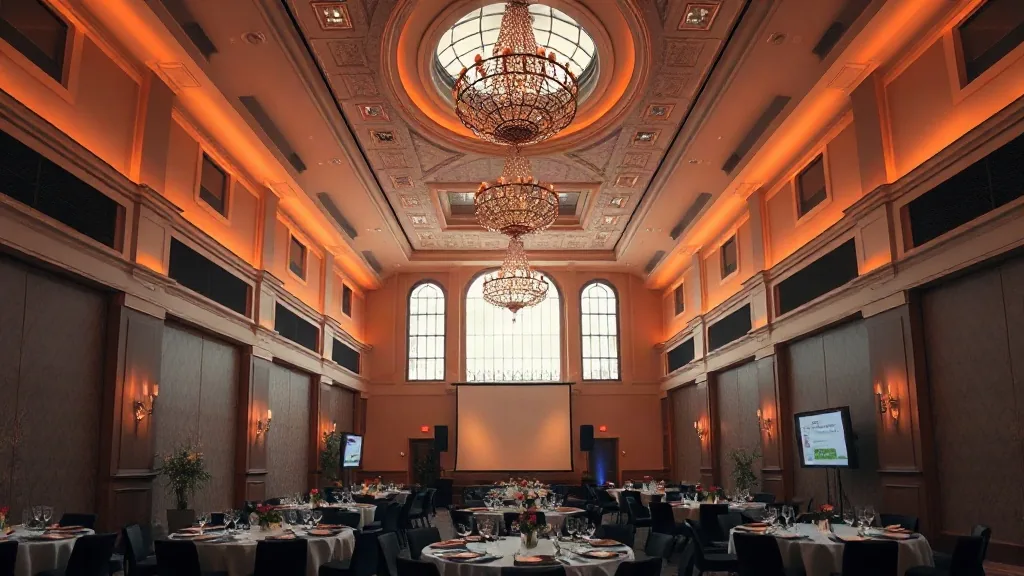
Cancellation clauses climb by the calendar, from 25 percent nine months out to 100 percent inside 30 days. The ladder is negotiable if you know which rungs to push. Here is how I move the dates and cap the number before I sign.
 Guide
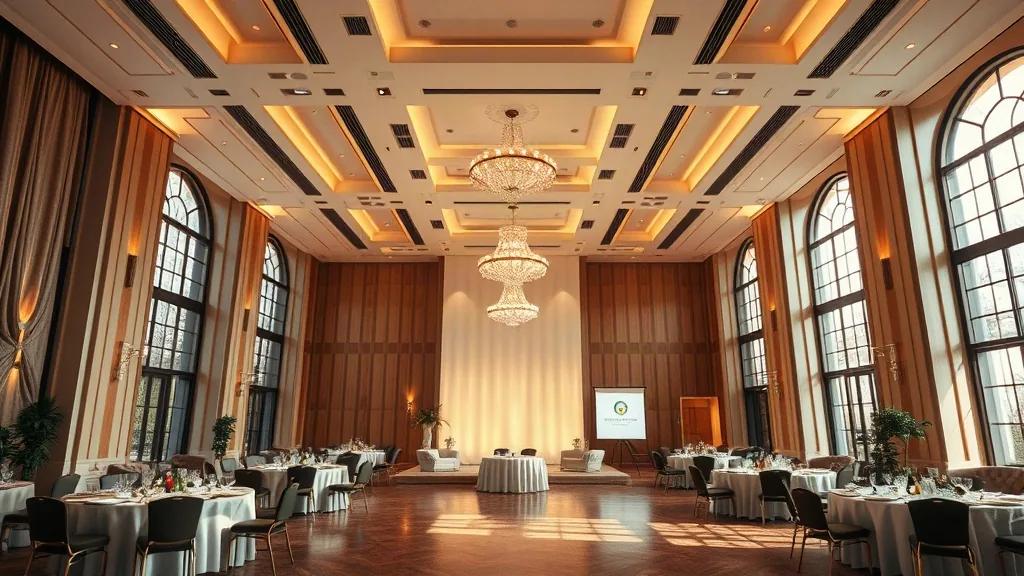
House AV isn't a rule, it's a revenue line, and the venue markup on it runs 30 to 45 percent. Here is how to bring in an outside vendor without triggering the fees venues use to punish you for leaving, and when house AV is actually the smart buy.
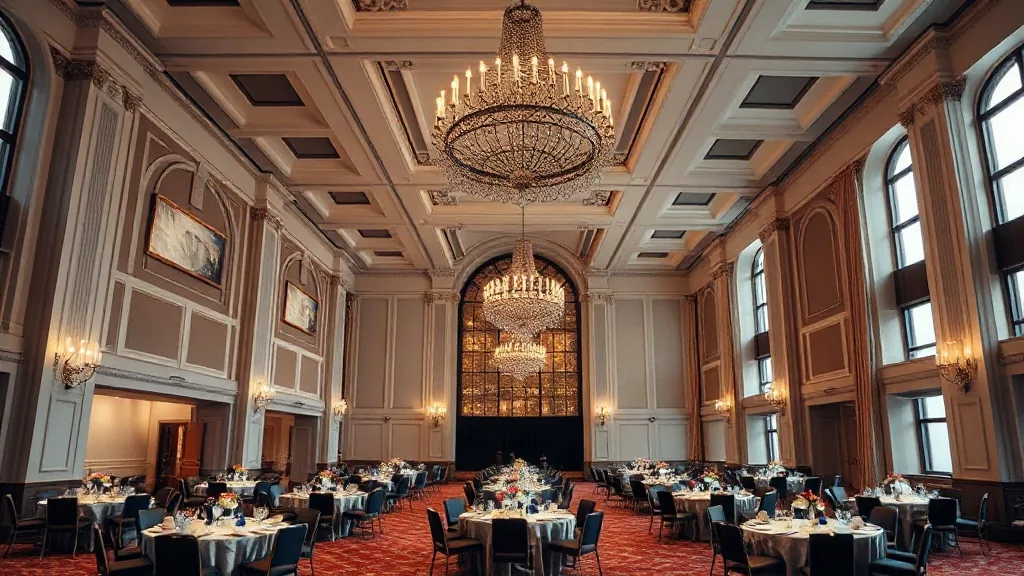 Guide
One MSA with a hotel group can lock a rate card, waive a resort fee, and cut your legal review from three weeks to two days per event. Here is what belongs in the master, what stays in the per-event order, and where groups push back.
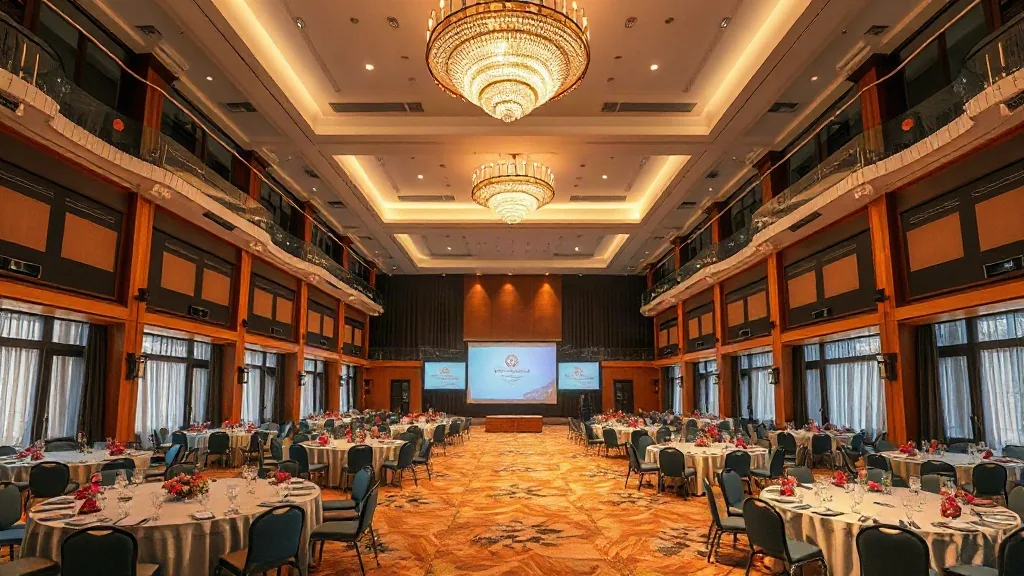 Guide
A PE summit gets scrutinized line by line by people who read balance sheets for a living. Here is how I build a venue budget that survives that review, and where the money should and should not go.
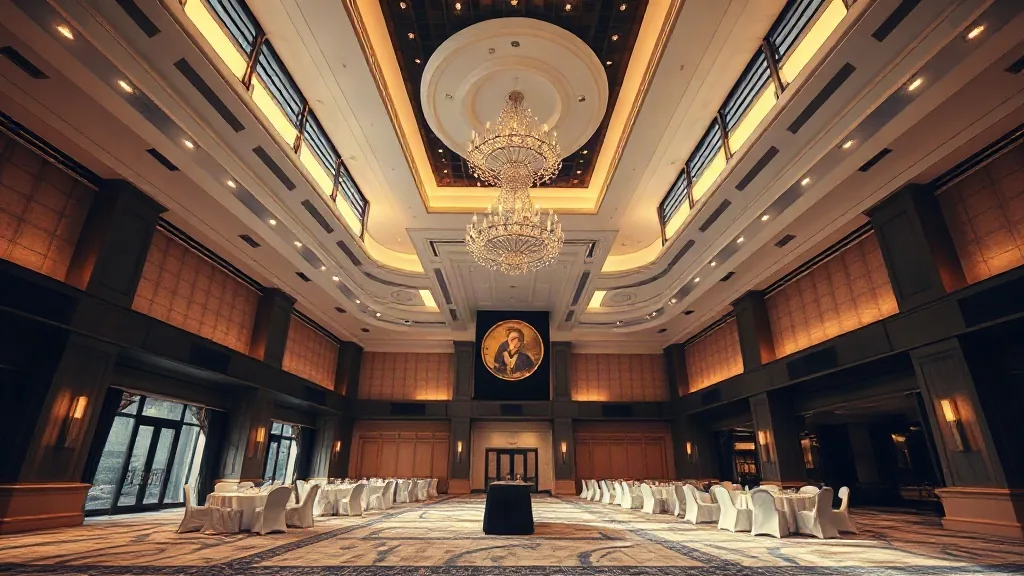 Guide
A general session with speaker swaps, video rolls, and cue changes needs someone calling the show. Skip that line and your AV crew improvises, transitions stall, and the room feels the drag. Here is what a show-caller does and what the role costs.
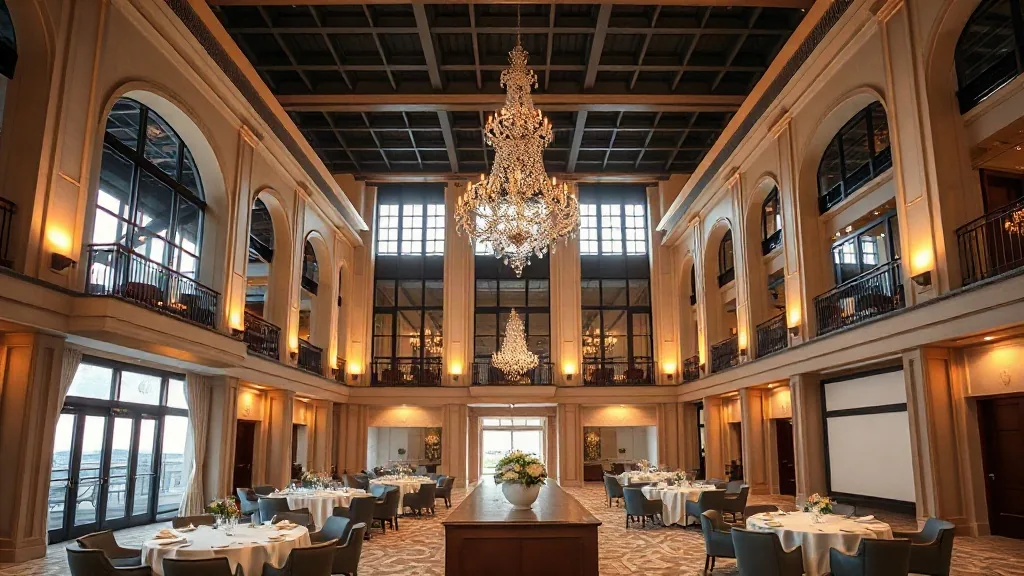 Guide
Historic buildings and industrial spaces rarely have the hallways or sightlines a conference needs. Here is how I route 400 attendees through a venue with no signage infrastructure without printing a fortune in foamcore.
 Guide
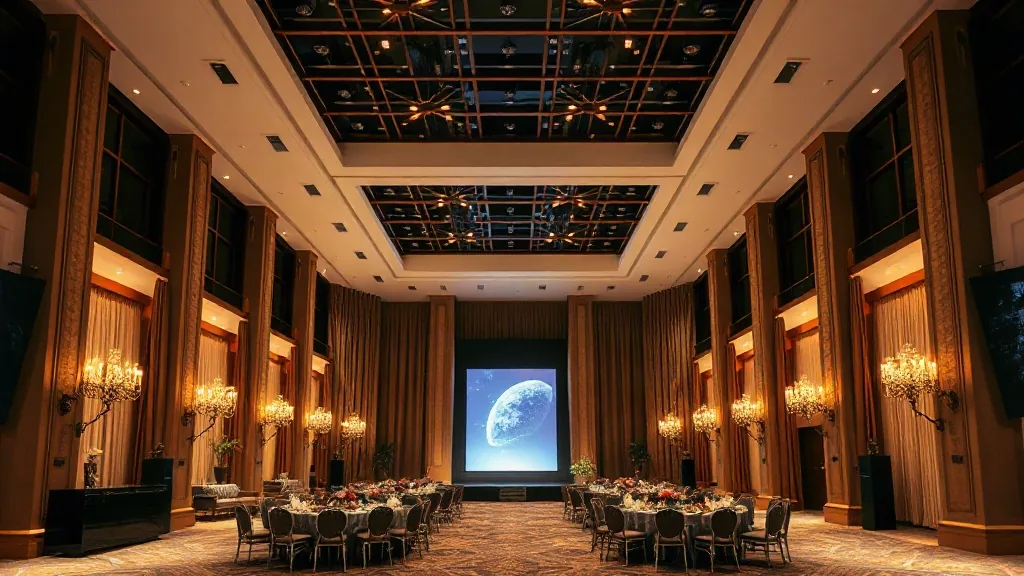
You do not need a $90,000 stage to shoot clean video. You need the right backdrop depth, a two-color wash, and a camera-aware setup. Here is how I build a stage under $18,000 that still cuts together for the reel.
 Guide
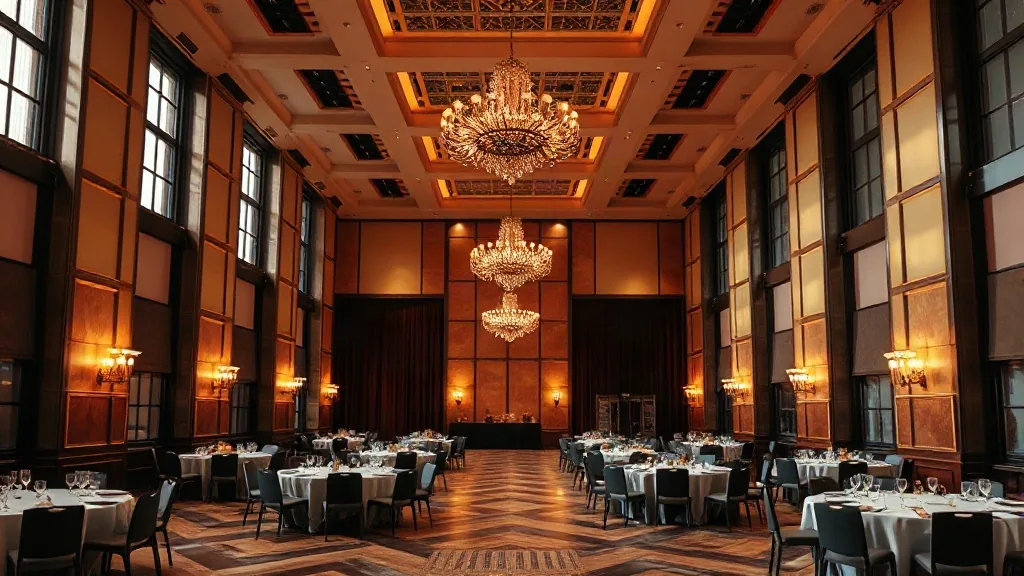
Most accessibility problems are cheap to fix in the walkthrough and expensive to fix on event day. This is the pre-contract route I walk through every venue, the questions that expose the fake accessible spaces, and the two clauses I add before I sign.
 Guide
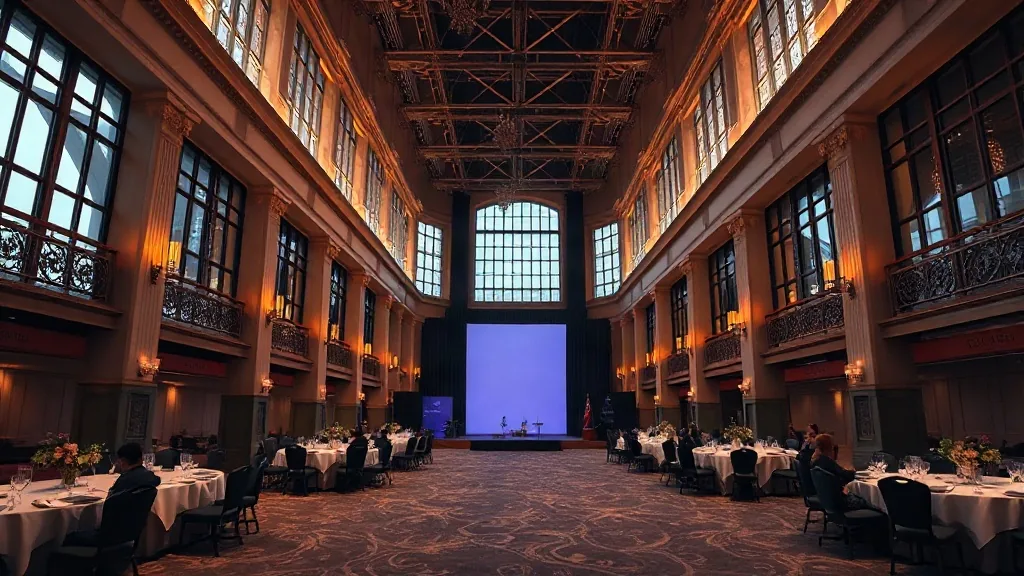
A wellness offsite doesn't have to mean sound baths and forced vulnerability circles. I book them for skeptical tech teams and money people, and the version that works is boring on paper: good sleep, real food, one movement block, and an agenda with air in it.
 Guide
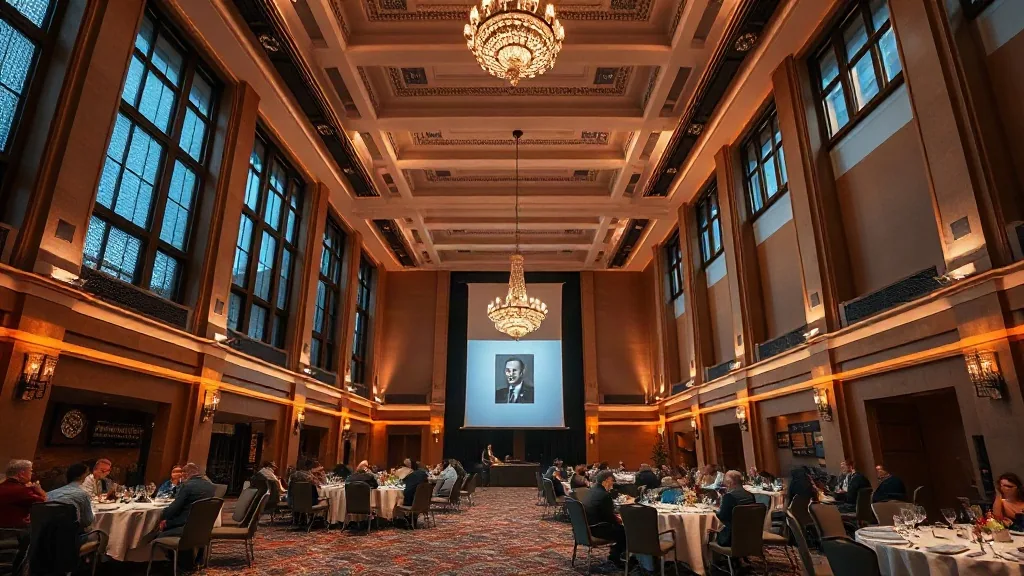
The bar is where event budgets quietly break. This is the math behind consumption bars, per-person open bars, and drink tickets, with the break-even headcounts that tell you which one your event should actually run.
 Guide
The venue choice for an annual meeting is a governance decision, not a catering one. Here is the real cost, security, and record-keeping math for holding it at a hotel versus your headquarters, from a planner who has run both.
 Guide
Cannabis operators get told yes on the phone and no in the contract. The block is almost always the venue's insurance, not the venue. Here is where the coverage breaks and how I get a signed date anyway.
 Guide
The first ten minutes of your event happen in a parking garage or a rideshare queue, not the ballroom. Here is how I budget valet, stage a drop-off lane, and keep 300 people from stacking up at one door.
 Guide
The venue is booked and the run of show is locked, but the print shop needs five business days and it's Wednesday. Here's what actually prints fast, what the rush fee buys you, and how to sequence artwork so signage never becomes the thing that fails on load-in morning.
 Guide
The quoted room rate is maybe a third of what you actually spend per person on a two-day offsite. Here is the full stack, built from a real 60-person budget, so you can price your own before finance asks.
 Guide
The four-cover tasting is a different cooking problem than a plated dinner for 180, and the gap between them is where most catering disappointment lives. Here is the brief that forces the kitchen to cook the event, not the sample.
 Guide
You don't need a passport to make a sales team feel celebrated. The trick is picking a domestic resort where the room, the food, and the free time read as earned, not as a cheaper substitute. Here's how I choose, and what I refuse to cut.
 Guide
Buffet looks cheaper on the proposal and often costs more once you count the labor, the second protein, and the 40 minutes of program you lose. Here is the line-by-line math I run for a 200-person dinner before I recommend either one.
 Guide
The interpreter booth, the receiver count, and the language routing are where multilingual summits quietly overspend or fall apart. Here is how I spec the room, budget the day, and keep three languages running without a dropout.
 Guide
The venue owns the building code. You own the event you run inside it, and a temporary stage or a badge table can put you on the wrong side of the ADA. Here is where the liability actually shifts, and the walkthrough that catches it.
 Guide
An advisory-committee mock panel needs a room nobody can overhear and a screen big enough for real slides. Here is how I book the space, lock the confidentiality, and keep a two-day prep drill from leaking or falling apart.
 Guide
The wrong microphone choice reads on camera and in the room, and it costs the same to rent as the right one. Here is how I match lav, handheld, and headset to the actual run of show, plus the failure modes each one hides.
 Guide
Most networking rooms fail because of furniture, not the guest list. Here is how I set the floor, the bars, and the food so 120 strangers actually talk instead of clumping by the wall.
 Guide
There are about six weeks a year when venue calendars are so empty the revenue manager will move on price, minimums, and terms all at once. Here is the dead-week calendar and how to use it.
 Guide
You spent $40,000 on a team-building experience. You'll spend zero minutes of next year's offsite talking about it. Here's the alternative use of $40K that compounds across 18 months — and the math on why the activity never makes the ROI case.
 Guide
Rotating your annual offsite to a new city every year costs 20–35% more, produces worse logistics, and delivers novelty that fades within 48 hours. The two-location annual rotation is the system that actually serves your team.
 Guide
You hired 6 brand ambassadors at $35/hr each to drive engagement. Your attendees have learned to avoid them. Your sponsors are getting noise but not signal. Here's what replaces the ambassador model and actually works.
 Guide
A 'plated dinner' that arrives on a pre-set plate 40 minutes after guests sit down is not a plated dinner. It's a buffet with bad timing and a service charge. Here's what a real plated dinner requires — and when to skip it entirely.
 Guide
Your AV vendor quoted you one premium podium mic and a $4,000 line array. What you actually needed was six $300 boundary mics distributed across the room and a competent mix engineer. Here's the 'bigger audio' trap and how to avoid it.
 Guide
You've spent $3,000–$12,000 on an event networking app. Median attendee uses it twice: once to upload a headshot, once to realize nobody they want to talk to is also using it. Here's the alternative that costs $0 and works better.
 Guide
The prop-box photo booth peaked at corporate events circa 2014 and has been declining in both novelty and execution ever since. Here's what's actually happening with guests who encounter one now, and what replaced it.
 Guide
Your venue contract has a 22–24% service charge already built in. The banquet captain is making a living wage from it. Here's who actually needs a cash tip, who doesn't, and the $800 you're double-paying every event.
 Guide
The event planning content that ranks is not the content that followed Google's E-E-A-T guidelines most carefully. It's the content that answered a specific question nobody else answered. Here's why the framework is backwards for this niche.
 Guide
Your 22-question pre-event survey has a 12% completion rate and you're building an agenda from the 12% who had 8 free minutes on a Tuesday. Here's the two-question alternative that gets 80% response and actually tells you something.
 Guide
The 47-slide PowerPoint deck has become the default corporate event format and also the thing attendees dread most about corporate events. Six alternatives that are better, shorter, and more memorable — with the scenarios where each fits.
 Guide
The site visit shows you the ballroom at 2pm on a Thursday with the lights full up and the catering manager eager. Sleeping in the attached hotel room shows you the noise bleed, the ice machine, the 5:45am loading dock.
 Guide
You're spending $8,000–$22,000 on a separate after-party that 40% of attendees skip, 30% leave within an hour, and almost nobody remembers by Day 2. Here's the budget reallocation that actually improves the event.
 Guide
You're spending $18–$24 per person more for top-shelf liquor that 70% of your guests won't touch and 15% won't notice. Here's the three-tier bar structure that consistently outperforms premium and costs less.
 Guide
Your bamboo-fiber directional sign flew in from a Chinese printer on a diesel freighter. The carbon math doesn't work and everyone in your industry already knows it. Here's what actually moves the needle.
 Guide
Industry awards ceremonies are revenue events disguised as recognition events. Table and sponsorship sales fund the program; the run-of-show determines whether guests leave satisfied or exhausted. A 4-minute cap on acceptance speeches, a countdown clock visible from the podium, and a pre-roll video strategy are not optional elements. This playbook covers the full lifecycle from table pricing to post-event reporting.
 Guide
The standard 10% contingency on a $120,000 event is $12,000. In seven years of tracking what contingency actually gets spent on, not once has it covered what planners think it covers.
 Guide
Investor days for public companies require simultaneous webcast, transcript capture, Reg FD compliance on Q&A, and a credentialing system that separates investors from analysts from media. The venue brief, production scope, and legal infrastructure are different from every other corporate event type. This playbook covers the full operational stack.
 Guide
A Pinterest board tells a venue coordinator what you liked on your phone at 11pm. A two-page brief tells them what your event needs to accomplish. Only one of those gets you a useful proposal.
 Guide
Corporate anniversary events default to nostalgia and slide decks, and they produce rooms full of people politely enduring a highlight reel. The anniversary events that work are forward-looking, not backward-staring: they use the milestone as a credibility anchor for where the company is going, not as permission to replay where it has been. This playbook covers the framing, venue selection, and agenda formats that make anniversaries worth attending.
 Guide
The 10-person round table has been the default banquet seating since the 1970s. It produces worse conversations than a 6-top by a measurable margin. Here's the table math your venue won't tell you.
 Guide
A 60-minute cocktail hour peaks at 22 minutes and then decays. You're paying $18/head for 38 minutes of people standing around waiting for dinner. Here's the 35-minute format that outperforms it.
 Guide
Product launches need a press credentialing system, a separate media holding area, a supervised demo floor, and a webcast layer that doesn't degrade the in-room experience. Most product launch events get the demo floor wrong and the media flow wrong. This playbook covers the venue brief, run-of-show structure, and the logistics that determine whether your launch lands the day it happens.
 Guide
Open networking at corporate events produces 11 minutes of conversation per attendee on average. Concentric-circle programming produces 47. I ran both at the same conference two years in a row.
 Guide
New employee orientation events are chronically under-resourced relative to their impact on retention and ramp time. A well-designed NEO event covers the right content, at a venue that signals company culture, and connects to a 30-60-90 day calendar that keeps new hires from falling off the engagement cliff after week one. This is the playbook.
 Guide
Partner summits blend public-facing product news with private commercial discussions that require separate spaces, controlled document distribution, and a two-tier agenda structure. Most fail because the public and private tracks bleed into each other. This playbook covers the full venue brief, NDA logistics, and the partner-facing agenda design that produces commercial outcomes.
 Guide
I've watched enough CEOs at the podium to recognize the physical signs of a speech they dread. The blank gratitude remarks, the run-of-show they didn't write. Here's what to replace it with.
 Guide
Corporate hackathons need 24-hour venue access, one power outlet per attendee, whiteboards in every room, and a judging format with IP ownership language that your legal team can sign off on. Most venues can't provide all four without advance negotiation. This playbook covers the full venue brief, overnight logistics, and the judging format that produces actual product outcomes.
 Guide
In nine years of planning corporate events in Atlanta, I have never once had a client say 'the DJ made the night.' I have had multiple clients say the DJ ruined it. The math is obvious.
 Guide
Customer summits are not small user conferences. They prioritize 1:1 executive access, product roadmap conversations under NDA, and the kind of frank feedback that only happens in an intimate setting. The venue format, AV requirements, and follow-up protocol are designed around relationship depth, not content breadth. Here's what separates the summits that drive renewal from the ones that don't.
 Guide
Preferred vendor lists exist to generate revenue for the venue, not to recommend quality. Understanding that changes how you use them — and which questions unlock the good vendors underneath.
 Guide
Advisory board meetings are small, high-stakes gatherings that require confidential space, curated pre-reads, and a post-meeting protocol that converts discussion into documented commitments. Most are planned with the same approach used for a staff meeting, which is why most advisory boards stop producing value within 18 months. This playbook covers the full lifecycle.
 Guide
The 'complimentary Wi-Fi' in your venue contract is a 5 Mbps shared pipe with 300 guest-room users. Here's what dedicated event bandwidth actually costs and the exact contract language that gets it.
 Guide
I've watched AV quotes balloon from $18,000 to $47,000 on the same event with no additional requirement from my client. The over-spec playbook is systematic. Here's how to counter it.
 Guide
Incentive trips are the most expensive per-person corporate event most companies run, and the most visible to the people who win them. The destination brief, group room block at an aspirational hotel, qualifying criteria communication, and 2-3 group activities need to be designed as a unified experience. This playbook covers what actually works across 50-150 person incentive programs.
 Guide
All-hands events scale from a 50-person conference room to a 500-person theater rental, and the venue requirements change at each step. The hybrid layer adds another full production scope on top. This playbook covers venue selection by headcount, the AV requirements that most planners underestimate, and the Q&A format options that actually work.
 Guide
Zoos and botanical gardens offer after-hours buyout experiences unlike any other venue category, but animal-proximity restrictions, permitted noise decibels, catering setup limitations near habitats, and after-dark lighting infrastructure create a logistics picture that requires early planning and specific contract language.
 Guide
Event insurance brokers default to maximum coverage because the premium difference between a $1M and a $5M general liability policy is small and the liability from underselling is real. The result is that planners routinely pay for coverage they don't need on items where the actual risk is minimal. Here are the line items where reducing limits saves money, and the ones where you should not touch the coverage.
 Guide
The save-the-date email open rate for corporate events dropped below 28% in our tracking over three years. The calendar hold does what the email never could. Here's the new flow.
 Guide
I've hired event photographers at $3,500-$6,000 and gotten photos I never used. I've crowd-sourced from attendees and gotten hero shots that ran in board decks for two years. Here's the math.
 Guide
Yacht clubs offer marina views and a nautical exclusivity that works for client receptions and executive dinners, but non-member access typically requires a member sponsor, dress code enforcement is real, and the distinction between marina-view space and the main event room determines which event format actually works.
 Guide
Livestream production quotes range from $2,400 for a single-camera stream to $28,000 for a multi-camera broadcast with a live moderator and archive delivery. Most planners do not know which end of that range they need until the vendor presents a proposal they didn't expect. Seven variables define the actual cost. Here is the brief format that anchors the quote before the first call.
 Guide
User conferences are the most logistically complex event type most in-house planners will ever run. The venue needs a general session, 4-8 simultaneous breakout tracks, a sponsor exhibition floor, and catered networking meals, all coordinated across a 2-3 day footprint. This playbook covers the venue brief, AV production scope, registration setup, and sponsor floor logistics for 300-800 attendees.
 Guide
Corporate holiday parties have a fixed budget ceiling, predictable format options, and one decision that determines everything else: how much alcohol, for how long, and who's accountable for what happens after. This playbook covers the $65-120 per-head budget band, the format decision tree by headcount, and the venue brief that produces a party people actually attend.
 Guide
Winery and vineyard venues are among the most requested for executive retreats and client events, but harvest-season blackouts, mandatory wine purchase minimums, the outdoor-ceremony versus indoor-barrel-room distinction, and COI requirements for agricultural properties create terms that differ from almost every other venue category.
 Guide
Preferred florists at hotels and event venues charge 20 to 35 percent more than market rate. In most cases, using them is not mandatory. In some cases it is. Either way, there is a negotiation available before you sign the floral contract. Here is how to read the venue relationship, run the comparison, and reduce the cost gap without creating a problem with the venue.
 Guide
The 8am general session is the most expensive mistake in corporate offsite design. It costs you $14,000 in lost engagement and produces exactly zero decisions. I have the data to prove it.
 Guide
Warehouse venues are blank-canvas spaces that require you to source every element independently, including catering, AV, furniture, lighting, climate control, and sometimes restroom infrastructure. This guide covers the full vendor stack, what separates a production-ready warehouse from a problem, and how the total cost compares to a hotel ballroom.
 Guide
A catering proposal that shows $75 per head for a plated dinner might deliver $95 per head when you read the full document. Service charges, bartender overtime, equipment rental, and cake-cutting fees all live below the headline per-head number. Here are the eight line items to extract and compare across proposals before you decide which caterer gets the contract.
 Guide
Sales kickoffs have a specific formula: general session with executive messaging, breakouts for product training, recognition dinner, and an after-party that the rep on a 9am flight can actually make it to. The venue brief, timeline, and per-head cost benchmarks are different from every other corporate event format. Here's what 8 years of SKOs actually looks like.
 Guide
I've lost $11,000 in a single event because of a spreadsheet version conflict. A legal pad and a running tally hasn't cost me a dollar in seven years. Here's why the notebook wins.
 Guide
Board offsites are not corporate retreats with better wine. They carry confidentiality obligations, seating hierarchy requirements, and pre-meeting document protocols that most venues and most planners have never dealt with. This playbook covers the 12-item venue brief, the agenda structure that produces decisions, and the disclosure problem you need to solve before you sign anything.
 Guide
Every planner treats the F&B minimum as the venue's weapon. They have it backwards. The minimum is your shield — if you know how to use it. Here's the math that changed how I negotiate.
 Guide
University event spaces offer subsidized rates and high-quality facilities, but academic-calendar blackouts, alumni affiliation requirements, limited AV infrastructure, and catering exclusives with food service contractors create constraints that require more lead time than most planners expect.
 Guide
A production manager coordinates the vendors at a corporate event so the planner doesn't have to. They cost $1,500 to $3,500 for a single-day event. At that price point, many mid-size corporate events skip the role and leave the planner holding every vendor relationship simultaneously. Here is the coordination layer that replaces a production manager: the shared contact sheet, the load-in timeline, and the escalation protocol.
 Guide
Theaters and performing arts centers offer world-class AV infrastructure and a stage designed for impact, but fixed raked seating limits your format flexibility and dark-night availability is constrained by the venue's own performance schedule. This guide covers the format decision, technical capabilities, and how to find available dates.
 Guide
Speaker bureaus earn 15 to 25 percent of the speaker's fee for serving as an intermediary. For a $20,000 speaker, that's $3,000 to $5,000 added to your budget with no material improvement to the event. Direct outreach works for most speakers under $25,000. Here is the template, the contract terms, and the tech rider process that bureaus usually handle.
 Guide
Temp event staff from a staffing agency are available, affordable, and will let you down at the registration table if you treat them like experienced corporate event workers. The briefing protocol, role definition, and supervision ratio that makes temp staff functional is not complicated. Most planners just skip it. Here is the operational guide that prevents the common failures.
 Guide
Stadiums and arenas are available for corporate bookings in their off-season windows, but union labor costs, exclusive caterer pricing, load-in time restrictions, and minimum revenue requirements push per-head costs well above hotel alternatives. This guide covers when the format makes sense, which spaces to book within a facility, and what the real cost structure looks like.
 Guide
Rooftop venues deliver a city-view experience that justifies premium pricing for the right event, but wind velocity thresholds, tent and heater costs, elevator access for load-in, weight-load limits for production equipment, and weather insurance riders create a set of operational constraints that require planning you don't face with an indoor venue.
 Guide
Hotel and conference center AV departments are convenient and expensive. Outside AV vendors are often 40 to 80 percent cheaper for the same equipment, but they require venue approval, load-in coordination, and a planner who knows how to manage the relationship. Here are the six questions that tell you which direction to go before you get a single quote.
 Guide
Restaurant private dining rooms are the most competitive venue option below 80 guests, but F&B minimum structures, prix fixe formats, AV limitations, and private entrance availability create terms that differ from every other venue category. This guide covers what to ask for, what's negotiable, and where the format breaks down.
 Guide
Corporate event florists are skilled at expanding a modest centerpiece budget into a full-room installation. The mechanism is not high-pressure sales; it's open-ended questions that invite you to say yes to options you didn't know existed. A five-item brief delivered before the first call removes most of those openings and produces an accurate quote at the scope you actually want.
 Guide
Photo and video studios are underused corporate event venues with specific advantages: controlled lighting, high power capacity, and cyclorama walls that work as presentation backdrops. This guide covers when a studio beats a ballroom, what the equipment rental bundles actually include, and the technical specs to verify before signing.
 Guide
A warehouse venue or industrial loft hands you a beautiful empty room and zero furniture. The rental quote to fill it arrives two weeks later and runs $8,000 to $14,000 for what you thought would be a $4,000 line item. Cocktail tables, lounge sets, and linen add up fast. About 40 percent of the typical quote is avoidable. Here is how to read the estimate, cut what you can, and hold the line where it matters.
 Guide
Outdoor and garden venues offer an environment no indoor space can replicate, but weather risk, tent rental costs, sound ordinance compliance, generator sizing, and the insurance rider for weather cancellation all require planning that most planners underestimate. This guide covers the real cost structure and how to de-risk an outdoor corporate event.
 Guide
A 300-person gala with an open bar and a 250-person all-hands with no alcohol are both corporate events, but they require different security postures. Getting this wrong in either direction costs money: too little security creates liability exposure, too much creates a hostile atmosphere that guests notice. Here is how to match the security model to the event type, with rates and ratio guidance.
 Guide
Museum after-hours buyouts create a venue experience that no purpose-built space can replicate, but artifact proximity rules, audio guide restrictions, and catering setup limitations require planning that most hotel-focused planners haven't encountered. This guide covers what's actually permitted, how to navigate the membership discount programs most planners overlook, and where the real costs are.
 Guide
Wedding photographers and corporate photographers use the same cameras and charge similar day rates. They do not produce the same work. A wedding photographer optimizes for emotional moments and wide reception shots. A corporate event requires something different: usable speaker portraits, product shots, sponsor wall documentation, and team photos that look like they were planned. Here are the six brief items that separate a good hire from an expensive misfire.
 Guide
Industrial lofts are blank-canvas venues that require you to source catering, AV, furniture, and often additional restroom infrastructure independently. This guide covers when a loft is the right call, what the full vendor stack costs, and the questions to ask before the rental fee looks deceptively simple.
 Guide
Moving 80 people from a hotel to a dinner venue sounds simple until you're standing in a hotel lobby at 7pm watching the first bus pull away and realizing you have 35 people still waiting. Transportation is the most frequently underscoped element of a corporate event. Here is the math on charter buses, shuttle relays, and Uber Business accounts, and when each one makes sense.
 Guide
Hotels and resorts are the default venue for multi-day corporate events, but the pricing model is designed to obscure the real cost. This guide covers room block math, concession trade, AV markup, resort fee negotiation, and the critical difference between talking to hotel sales and convention services.
 Guide
Destination management companies take on complex multi-vendor logistics, but most are hired on a one-page letter of engagement that specifies almost nothing. The problems that come out of a vague DMC scope include undisclosed markups, substituted suppliers, and disputes over who owns the cancellation penalties. Here is how to write a DMC scope that leaves no room for those problems.
 Guide
Historic mansions offer exclusivity and visual impact that no purpose-built venue can match, but preservation restrictions, COI requirements for irreplaceable structures, catering exclusives, and limited load-in windows create constraints that require planning far earlier than for a standard venue.
 Guide
Most venue contracts give you a preferred caterer list and leave a small door open for outside vendors. That door has conditions: a kitchen approval, a certificate of insurance naming the venue, and sometimes a buyout fee. Here is how to get an outside caterer approved without antagonizing the venue or voiding your contract.
 Guide
Standalone event venues give you maximum flexibility but require you to source and coordinate every vendor independently. This guide covers the full vendor stack, how to evaluate a blank-canvas venue against its rental fee, and the coordination load you're taking on when you choose a venue with no in-house services.
 Guide
Venue packages bundle room, F&B, AV, and linen at a per-person price. Most items are not as fixed as the proposal makes them look. Here is what is genuinely bundled and what can be broken out or swapped.
 Guide
Coworking spaces with event capabilities are the fastest-growing segment of the corporate venue market, but the format has hard limits: most cap at 150 guests, AV infrastructure is minimal, and catering policy varies dramatically by operator. This guide covers pricing models, what to verify before booking, and when coworking beats a hotel.
 Guide
On-consumption bar service charges per drink poured rather than per person. For short events or light-drinking groups, it saves money. For 3-hour open receptions, it usually costs more. Here is the break-even math.
 Guide
Country clubs offer exceptional catering quality and a formal environment that works for board dinners, partner retreats, and client events, but access requires navigating member sponsorship requirements, dress code enforcement, and a pricing model that looks different from every other venue category.
 Guide
A net rate is the base room rate before any markup. When booking through third-party platforms, you may be paying a marked-up version of the net rate. Here is how to verify what you're actually getting.
 Guide
Convention centers are the right venue for events above 500 attendees, but they come with union labor rules, exclusive service contractors, and per-head costs that run 30 to 50 percent higher than comparable hotel space. This guide covers the real cost structure, the contractor relationships to understand, and what minimum revenue requirements actually mean.
 Guide
A sliding-scale minimum adjusts the F&B floor based on headcount, day of week, or season. Most venues don't advertise them. Here is the structure and how to negotiate the thresholds in your favor.
 Guide
Conference centers are purpose-built for multi-day corporate meetings, but the differences between a standalone conference center and a hotel conference facility are substantial. This guide covers AV infrastructure, exclusive caterer rules, room setup options, and how to write an RFP that gets you an accurate quote.
 Guide
Hotel and venue brokers receive 8 to 10 percent of total revenue as a commission paid by the venue. This creates a conflict of interest that most planners don't know exists. Here is how to verify your broker's incentives.
 Guide
Breweries and distilleries are among the most-requested venue types for company socials and team events, but they have operational constraints most planners don't expect: limited weekend availability, production-equipment noise, alcohol service licensing requirements, and F&B minimums tied to house product only.
 Guide
Run-of-house means attendees get whatever room type is available at check-in, not a guaranteed category. For most corporate groups this is fine. For executive events and high-stakes attendee lists, it isn't.
 Guide
Barn and farm venues offer a format no hotel can replicate, but they require infrastructure planning that most corporate planners don't budget for. HVAC gaps, generator requirements, restroom capacity, and shuttle logistics from urban areas all add costs that the rental fee doesn't include.
 Guide
A comp ratio gives you one free room night for every 40 to 50 paid room nights in your block. Most planners never collect it. Here is how to calculate the value and apply it to reduce your event costs.
 Guide
Banquet halls are the most commoditized venue category in the country, which means there's a huge quality range and a lot of room to negotiate. This guide covers what separates good halls from bad ones, how to compare proposals accurately, and where most planners leave money on the table.
 Guide
A hold reserves a date without financial commitment. First holds have priority over second holds. Most venues give you 5 to 10 business days to convert. Here is how to use the hold without burning the relationship.
 Guide
Art galleries offer exclusivity and a built-in conversation starter, but the booking process is governed by artwork insurance requirements, caterer restrictions, and seated-capacity limits that catch most planners off guard. This guide covers the real rules, pricing structures, and questions to ask before you commit.
 Guide
A load-in window is the time slot when vendors can access the venue to set up before your event. Most planners underestimate the time required. Here is how to negotiate the window you actually need.
 Guide
Aquariums are among the most requested after-hours buyout venues in the country, but the booking process looks nothing like a hotel or banquet hall. This guide covers after-hours windows, capacity realities, catering restrictions near tanks, animal-handling rules, and the COI language that actually gets you approved.
 Guide
A turnover fee covers the cost of resetting a room between events at a multi-booking venue. It runs $500 to $3,000 and often appears as a surprise on the BEO. Here is when it's included and when to push back.
 Guide
The contract governs money and liability. The BEO governs what happens on event day. When they conflict, most contracts say the contract wins, but the venue staff follows the BEO. Both documents need to be right.
 Guide
A general session is the main plenary space for the full group. Breakout rooms are smaller simultaneous spaces for sub-groups. The capacity ratio, AV requirements, and setup differences between them shape the whole conference.
 Guide
A room block is a guaranteed hold of hotel rooms at a negotiated rate. Pickup rates, attrition, and concessions are all connected. Here is how the full structure works before you sign anything.
 Guide
In-house vendors are exclusive and often marked up 40-80%. Preferred vendors pay the venue a referral fee. Outside vendors offer market rates but require venue approval. Here is what each costs in practice.
 Guide
Resort fees run $25 to $65 per night per room and appear on top of your contracted room rate. They rarely get waived but can be capped or credited. Here is the negotiation language that sometimes works.
 Guide
Corkage is the per-bottle fee a venue charges when you bring outside wine or spirits into their space. Rates run $15 to $60 per bottle. Here is when it's worth paying and when to negotiate a waiver.
 Guide
The ++ symbol in a venue quote means the per-head price excludes service charge and tax. A $95 per-head dinner can become $128 per head once both are applied. Here is the exact math.
 Guide
Attrition is a guaranteed-revenue clause in venue contracts. Miss the threshold on room block pickup or F&B spend and you owe the difference. Here is exactly how the penalty math works.
 Guide
An F&B minimum is a revenue floor the venue must hit, not a cap on your spending. Service charges and tax do not count toward it. Here is how the math actually works.
 Guide
A Banquet Event Order controls everything that happens on event day, from setup times to menu quantities to who signs off on changes. Here is what each section actually means.
 Guide
Planners routinely need to change headcount, catering style, or timing after a venue contract is signed. Some amendments are free and processed in 24 hours. Others trigger financial penalties. A few are genuinely off the table once the ink is dry. Here is the three-tier framework for assessing any post-signature change and the negotiation approach that softens the ones that cost money.
 Guide
Associations can get complimentary or deeply discounted venue space in exchange for branding exposure, attendee marketing, and a post-event case study. The exchange works because venues get trackable marketing value without a cash outlay. Here is the specific value-exchange framework, the ask structure, and the contract language that makes both sides comfortable with the arrangement.
 Guide
Executive budget approvals for events above $100,000 require a specific framing. Cost breakdowns alone fail because they don't speak to the financial and organizational logic that CFOs and senior leaders evaluate. A one-page format that combines ROI framing, risk disclosure, and a contingency line gets faster approvals and fewer revision cycles. Here is the format and the language that works.
 Guide
Registration bottlenecks are the most predictable and avoidable failure in corporate events. The math is simple: most guests arrive in a 20-to-25-minute window, and one underprepared table produces 15-minute waits for the last arrivals. Here is the table geometry, staff ratio, badge sorting system, and check-in process that handles 40 or more arrivals per 5-minute window without a queue.
 Guide
Most planners hold dates and then ghost. The venue moves the date to another client, and the relationship chills. But there is a communication cadence that keeps the hold active, signals genuine intent, and converts a hold into a contract without forcing the venue to chase you. Here is the exact protocol.
 Guide
Institutional knowledge about your events lives in your venue contact's head, not in the venue's CRM. When they leave, you lose pricing history, room preference notes, and the informal exceptions they granted you over three years. A 20-minute transition call preserves most of it. Here is the protocol and what to document before they're gone.
 Guide
Most post-event debriefs produce the same feedback loop: attendees liked the food, the room was nice, and the keynote ran long. None of that changes anything. A structured debrief format built around three specific questions produces actionable outputs instead of sentiment. Here is the format, the facilitation approach, and the document that captures decisions rather than opinions.
 Guide
Vague catering briefs produce quotes ranging from $40 to $100 per head for the same event. The gap is not price discrimination; it's different assumptions about service style, staffing model, and kitchen access. Six specific fields collapse that range to under $15 per head. Here is the document and how to fill it out.
 Guide
Beyond force majeure and attrition, venue contracts contain nine less-noticed clauses that routinely produce surprise charges after the event. Audio recording fees, parking liability, early-departure penalties, HVAC overtime, and exclusive decorator requirements are the ones most planners miss and most venues count on them missing.
 Guide
Venues decline site visit requests when they're fully booked for one reason: they don't want competitors walking their space the day before a major event. But there are three request framings that consistently get a yes. Here is the script and the reasoning behind each approach.
 Guide
A structured pre-event vendor call covers run-of-show review, load-in sequence, escalation contacts, and failure protocols in 30 minutes. Most planners skip it and spend three to five hours on event day solving problems that the call would have prevented. The agenda and the script are repeatable across every event type.
 Guide
Most venue contracts give you 7 to 14 days to dispute the final invoice. After that, the charges are considered accepted. Six line items show up as overages on nearly every final bill, and most of them are contestable. Here is how to review the invoice, what to push back on, and how to do it without burning the relationship.
 Guide
Most run-of-show documents are too dense, too narrative, or structured for the planner who built them rather than for the AV lead and catering manager who need to work from it in real time. A four-column format with time, owner, action, and contingency produces a document that every vendor category can follow without interpretation.
 Guide
Valet at $25 per car for 200 cars costs $5,000. A shuttle contract from an offsite lot runs $2,000 to $3,000 for the same volume. But the math only holds if the lot is within 10 minutes and the shuttle frequency is right. Here is the cost comparison and the negotiation triggers by city tier and venue type.
 Guide
Law firm partner retreats have hierarchy, privacy, and cost-optics requirements that differ from standard corporate offsites. The venue category, the seating protocol, and the per-head spend level all carry signals that law partners read differently than other executive audiences.
 Guide
Most site visits run two to three hours because the venue controls the agenda. A 14-item checklist that covers AV, HVAC, load-in, restrooms, and COI gets you the information you actually need in 90 minutes and eliminates the time spent on the champagne toast simulation and the tour of the bridal suite.
 Guide
A keynote no-show is survivable if you have a pivot plan built before the event, not improvised in the moment. Here is the audience-facing language, the AV substitution moves, and the content alternatives for a 45- to 90-minute program gap that let you close an event without an apology tour.
 Guide
Developers routinely hold launch events in unfinished or construction-adjacent spaces because the address is the marketing. Six specific safety, insurance, and catering problems arise when you treat a development site as an event venue, and each one is preventable with a specific mitigation.
 Guide
Service charges go to the venue's operating revenue. Gratuities go to the service staff who worked your event. Most planners conflate them, tip lightly or not at all, and never know the difference. The specific contract language that requires gratuity distribution to servers costs nothing to add and changes what the staff who served your event actually take home.
 Guide
Most corporate events are understaffed at registration and overstaffed at the bar. Getting the ratio right is not about headcount; it's about task mapping by time window. Here is the staffing structure for a 150-person event from load-in through departure, with the exact ratios that prevent bottlenecks.
 Guide
University venues, coworking event spaces, and museum member-rate programs give nonprofits 40-60% off standard corporate venue rates. A $30,000 budget for 120 people is workable at $250/head if the venue and catering decisions are made in a specific order.
 Guide
The first call with a venue sales manager is information gathering. The second call is the negotiation, and showing up without specific language is the fastest way to get concessions that look meaningful but don't move the number. A scripted approach for reducing the minimum, getting menu substitutions, and capping service charges produces real savings.
 Guide
Vague AV briefs produce quotes with a $15,000 to $40,000 spread. The problem is not that vendors are guessing; it's that you gave them nothing to anchor on. A six-field production sheet narrows that spread to under $4,000 in most cases. Here is the format and how to fill it out before the first call.
 Guide
CTOs care about Wi-Fi bandwidth per device, dedicated power at every seat, and screen size relative to room depth. Eight infrastructure questions every CTO should ask before signing a venue for an engineering all-hands, along with the specific numbers that matter.
 Guide
Room block sizing for a multi-day conference involves pickup rate history, attrition exposure, and the concession value embedded in a large block. The math is straightforward but most planners either overblock and face attrition or underblock and lose the concessions that make the whole deal work.
 Guide
Email chains and registration forms both break above 100 attendees. The fix is a three-field collection method your caterer can actually act on. Here is the intake system, the communication template, and the day-of tracking sheet that keeps 200 meals from turning into a liability.
 Guide
Roughly one in seven sales winners dislikes long-haul or international travel for personal or medical reasons they may not disclose. Designing the incentive program to work for that 15% without reducing the aspirational value for the other 85% requires two specific format changes.
 Guide
Venues increasingly require $2-5 million in general liability coverage plus additional insured naming before they'll allow outside vendors into the space. Some of those requirements are legitimate. Others are designed to funnel you toward in-house vendors. Knowing the difference saves money and keeps vendor relationships intact.
 Guide
An executive offsite full of presentations wastes the one resource that's hardest to get: senior attention in the same room. Three agenda formats produce actual decisions and organizational alignment. Three produce fatigue and the illusion of alignment.
 Guide
Most planners underestimate how load-in conflicts between AV, catering, and floral compress setup time and degrade the final product. A specific time-block template that sequences vendor access for a 9am event start prevents the pile-up at the loading dock and gets you into the room ready to open on time.
 Guide
Operations professionals optimize for efficiency and miss two event-specific timing dependencies: AV production lead time and catering window conflicts. The load-in schedule template for a 200-500 person conference, built around those constraints, prevents the most common first-year failures.
 Guide
Most planners hand an AV vendor a headcount and a room name and ask for a quote. That produces a quote with a $15,000-to-$40,000 range, which is useless for budget planning. Eight specific questions define the production scope and narrow that range to within $3,000 before the first vendor call.
 Guide
The CEO wants culture signal, the CFO wants ROI, and the CMO wants brand presence. All three are legitimate priorities that are partially incompatible. One alignment brief, filled out before the venue search begins, resolves the conflict by making the trade-offs explicit before anyone has a preference attached to a specific venue.
 Guide
Venues typically ask for 25-33% at signing and another 50% at 90 days, leaving a final 17-25% due 30 days out. Each rung of that ladder is negotiable, and the specific counter-offer ranges that succeed vary by venue tier. Knowing when walking away is the right call matters as much as knowing the counter-offer.
 Guide
Catering staff availability and venue secondary booking patterns shift after Dec 15. Here's the documented quality drop-off and how to negotiate a Dec 18-19 date as the fallback.
 Guide
GC doesn't read venue contracts the way planners do. They scan for six specific clauses that create company liability, and they'll sit on a contract for two weeks if those clauses are ambiguous. Here's what GC looks for and how to present a contract that moves through review in three business days.
 Guide
Standard force-majeure language in venue contracts covers natural disaster and government order. It does not cover building infrastructure failure, labor action at the venue, government-order-adjacent disruptions, or pandemic sub-events like travel restrictions that don't rise to a shutdown. Four specific language additions close those gaps.
 Guide
Attendance prediction for Fri-Sun of Memorial Day weekend by event type. Venue rate premium versus alternatives. The Friday-before math that actually works better.
 Guide
Virtual site visits and photo galleries miss HVAC noise, loading dock access, neighborhood safety at 10pm, and the actual sightlines from the back row. Fifteen questions on a video call and three local contacts reduce the risk to manageable levels. Here's the full checklist.
 Guide
Most planners sign attrition clauses without calculating their maximum exposure. The formula is simple but the variables are specific, and the penalty on a 200-person event can reach $18,000 if attendance falls short. Three worked examples show the math and where to negotiate before you're locked in.
 Guide
June-October bookings in FL, GA, SC, and TX need specific force-majeure language. Here's what most venue contracts say versus what offers real cancellation protection.
 Guide
Sixty days is a real constraint, not an excuse to scale back ambition. What's achievable in 60 days versus what needs 90 or 120 depends on venue type, catering model, and AV production complexity. This is the honest timeline guide for the CMO who wants to know what's actually possible.
 Guide
Banquet event orders contain pricing traps in setup fees, labor charges, and equipment rentals that most planners never question. Walking through each section with standard industry ranges shows you exactly where the negotiation lives and which charges are manufactured margin.
 Guide
Venue sales managers face Q1 pressure and offer AV, parking, and upgraded linen in January that they won't touch in April. Here's the specific ask list with timing guidance.
 Guide
A board member with a personal relationship at a venue will sometimes book it without a site visit, a COI review, or any coordination with the planning team. The operational damage is real. Here's how to assess what was committed, take over the booking professionally, and prevent it from happening again.
 Guide
Coworking spaces signal flat hierarchy for founders and operators. Private clubs signal investor credibility and capital-market access. AV and catering cost comparison for 50-100 person demo events.
 Guide
Most venue RFPs are so vague that sales managers fill them with brochure copy and send back a PDF with stock photography. Eleven specific questions change that. They force the venue to reveal catering exclusivity, AV ownership, attrition terms, and load-in windows before you waste a site visit on a bad fit.
 Guide
Corporate event attendance drops 25-35% in the 2 weeks surrounding Labor Day as employees take final summer vacations. Here are the September windows that actually work.
 Guide
Facilities managers understand physical space, load requirements, and vendor logistics better than most event planners. What they're missing is the AV production timeline, the catering contract structure, and the day-of coordination layer that event work specifically requires. Here's the translation guide.
 Guide
A barn without HVAC becomes unusable in July above 85 degrees in most southern states. Wineries often have climate-controlled barrel rooms. Regional recommendations with temperature thresholds.
 Guide
February is the lowest-competition month for corporate events in most US cities. Rates run 20-30% below March. Attendee FOMO is lower and focus is higher. Here's the case.
 Guide
Guest count changes inside three weeks trigger attrition clauses, catering minimums, and room-setup fees that the original contract didn't anticipate. The math changes significantly by venue type, and so does your best move for softening the damage.
 Guide
Lofts read as innovative and informal. Penthouses read as traditional hierarchy. Food quality, COI requirements, and cost-per-head comparison for 20-40 guests.
 Guide
Tue-Wed before Thanksgiving has 30-40% lower venue and catering rates than adjacent weeks. Attendance conversion rates also support shorter event formats. Here's the math.
 Guide
Procurement teams view corporate events as uncontrolled spend and vendor relationships that bypassed the sourcing process. Six contract terms and four vendor verification requirements satisfy the legal and procurement review most planners don't prepare for.
 Guide
Aquariums concentrate guests in controlled indoor flow. Zoos spread guests across 40-100 acres and create logistical challenges above 200. Specific capacity and staffing comparison.
 Guide
Miami, Houston, and DC in July have 95-degree heat indexes that shut down voluntary outdoor programming. Here are the Sunbelt cities that escape this problem and why they work.
 Guide
Founders approach offsites like product sprints: maximize output, minimize cost. That works for some decisions and fails hard for others. The four choices that actually matter for a first offsite, and the three places founders consistently over-engineer what doesn't need it.
 Guide
Atlanta wins on airport connectivity and venue variety for groups over 200. Charlotte wins on walkability and banking-district density for senior-executive events under 150.
 Guide
Spring tech conference season and tourism converge to drive Q2 room rates up. Here's the documented rate gap between February and April across 8 cities with planning decisions.
 Guide
HR professionals inherit event responsibility without inheriting event training. The instinct is to own everything. The right move is to hand four vendor categories off immediately and keep three management tasks in-house. Here's the decision map.
 Guide
DC gives speaker access from Hill staff and agency officials at no fee. Boston gives Harvard and MIT adjacency. Hotel cost and flight-hub comparison for northeast-dominated memberships.
 Guide
Venues booked in December for early January rarely have full staff. February gives 6 weeks of real lead time and better hotel room rates. Here's the case for shifting the tradition.
 Guide
Chiefs of staff run board dinners as a side task, usually with no event training and no briefing on the specific hierarchy protocols boards expect. These 7 failures are preventable in the first planning week if you know to look for them.
 Guide
Banquet halls built for 100 often staff at 1:20. Restaurant private rooms rarely exceed 1:15 and produce better food. Total per-head cost comparison and format guide.
 Guide
Most university event spaces are unavailable or degraded during move-in week. Specific blackout dates vary by school and by state. Here's how to check before you commit.
 Guide
CFOs don't kill event budgets randomly. They kill specific line items with a consistent logic. After presenting budgets to nine different CFOs across healthcare and financial services clients, I've mapped which lines pass and which get cut, and the language that makes the difference.
 Guide
Photo studios are built for controlled power loads and light management. Industrial lofts need lighting rigs rented in at $4,000-$9,000 per setup. The electrical comparison often decides the venue.
 Guide
EAs handling their first $80K-$250K offsite face a contract, a COI request, a site visit, and a CFO approval process that nobody briefed them on. This is the checklist and decision map that would have saved me three weeks of wrong turns.
 Guide
Banquet halls prioritize wedding premium in peak season. Corporate bookings get worse service and leftovers. Here are the specific months to avoid and what to book instead.
 Guide
University spaces offer subsidized rates but have academic-calendar blackouts and AV limitations that purpose-built conference centers resolve. Specific cost and restriction tradeoffs.
 Guide
Companies with June or September FY ends compress summer and fall event spending. The venue inventory crunch this creates and how to book around it before it hits you.
 Guide
Stadium clubs have spectacular views and severe load-in windows. Banquet halls offer modular layouts and standard AV infrastructure. Cost and operational comparison for 500-person galas.
 Guide
October-November and March-April are the best rooftop rate windows nationally. Heat-lamp and tent costs still apply, but city-by-city the savings are real. Here's the breakdown.
 Guide
Tent, heater, and generator rental for a garden event in April runs $9,000-$22,000 depending on region and size. Factor that against an indoor fallback and the math often reverses.
 Guide
March is the highest-variance month for outdoor corporate events. Here's the regional probability table for usable weather by city and when to require an indoor fallback in contract.
 Guide
Breweries often control their own sound environment. Rooftop bars share airspace with adjacent buildings and have sound ordinance constraints that cap your event by 9pm in most cities.
 Guide
Legal, pharma, finance, and tech conference seasons collide in specific months, spiking hotel and venue costs. Here's the avoidance calendar with alternative city options.
 Guide
Mansions impose intimacy and discretion but create security and HIPAA-adjacent setup challenges. Hotels have standardized infrastructure for regulated-industry meetings. A decision matrix for planners.
 Guide
Post-holiday venue availability and rate drops in the first two weeks of January. How to pitch January dates to a reluctant CFO and what you can actually negotiate.
 Guide
A 400-person tech conference costs $280K-$380K in San Francisco and $195K-$265K in Austin. The 30% cost gap is real. Whether Austin's venue inventory and vibe justify the trade is the actual question.
 Guide
Tier-1 coastal cities spike in summer for leisure travel. Sunbelt tier-2 cities drop. Here's the rate-window table by region and month with planning implications.
 Guide
Fixed raked seating in a theater commits you to a presentation format. Flex rooms let you run demo stations and breakouts. Which is right depends on your launch format and headcount.
 Guide
October-November is when venues discount Q1 inventory to hit annual revenue. Here's the specific ask list with success rates by venue type and what actually works.
 Guide
Charter yachts have a firm 80-person capacity ceiling and a $3,000-$6,000 weather-cancellation exposure. Waterfront restaurants give more consistent service and fewer liability surprises above 80 guests.
 Guide
Tier-1 cities need 6-9 months of lead time; tier-3 cities need 2-3. Here's the date-recommendation table by city tier, plus the hold-vs-contract decision explained.
 Guide
Coworking event spaces often win on price and flexibility for 20-50 person workshops. Hotel meeting rooms have hidden minimums that can add $2,000-$6,000 to what looks like a cheaper day rate.
 Guide
Country clubs signal governance and institutional tradition. Wineries signal informality and creative thinking. The right choice follows your board's composition and your agenda's goals.
 Guide
Galleries win on exclusivity and intimacy for under 80 guests. Museums have better catering infrastructure and credibility for 80-300. Cost and format guide here.
 Guide
A tent and heater package for a rooftop gala in October adds $8,000-$18,000 to your base rental. Factor in the insurance rider and you may have already closed the cost gap with a ballroom.
 Guide
Miami's hotel and venue scene wins at 200-300 attendees. Above 500, Orlando's convention infrastructure takes over and the per-head cost gap justifies the trade.
 Guide
DC's convention center and hotel room-block rates run 18-25% below New York's for the same scope. Member travel patterns and the speaker market usually decide which city actually wins.
 Guide
Purpose-built conference centers save $8K-$22K on AV and meeting space. Resorts recover it with F&B markups and the social programming that makes senior leaders willing to travel.
 Guide
Ballrooms win on AV and catering infrastructure. Warehouses win on atmosphere and per-head cost. The decision comes down to load-in logistics and what happens at the bar.
 Guide
A 150-person SKO costs roughly $180K in Chicago and $145K in Nashville once you add air travel, hotel room blocks, and venue fees. Here's the full breakdown.