

What a venue means by 'exclusive use'
Exclusive use can mean the whole venue or just one room, so knowing the difference protects your budget and your guest experience.
Attrition, force majeure, deposits, service charge. The language that decides your final bill.
77 posts
Exclusive use can mean the whole venue or just one room, so knowing the difference protects your budget and your guest experience.

A hold reserves space with no commitment, while a booking locks your date with a signed contract and deposit.

Reading an attrition clause line by line shows exactly how eleven lines decide whether you owe thousands or nothing.
 Guide
I sold hotel group space for seven years before I started buying it. This is the whole conference budget, built in the order a planner actually builds it, with the calls to make, the numbers I expect to see, what is negotiable, and what to do when 400 people arrive and something is wrong.
 Guide
A compensation committee sets CEO pay and reviews named executive figures, so a leak from the room is a proxy-season problem, not an awkward moment. Here's how I book these when discretion is the entire assignment, from a quiet arrival to the private dinner to the clause I insist on.
 Guide
Some cities carry a weather risk in specific months that no outdoor plan survives on its own. Here is which markets and windows to watch, and the indoor backup you should hold before you confirm the outdoor space.
 Guide
A venue that wants 50 percent up front is quoting you its default, not its limit. Staging the payments across quarters protects your cash and your bargaining power. Here is how I build a deposit ladder that the venue accepts and finance loves.
 Story
A grid outage hit 90 minutes into a 500-person convening. The venue lost power. We didn't, because of one clause and one generator I almost cut from the budget. Here is what the contract said and what I now require in writing.
 Guide
The boilerplate force majeure clause failed a lot of planners in 2020 and most contracts still use it. Here is the specific language that triggers a real out, the standard that decides whether you owe the cancellation fee, and the edits I make before signing.
 Guide
A sustainability promise made on a site visit is worth nothing at execution. Here is the specific, enforceable clause I add to venue contracts so the green commitments actually happen, and the exact language to use.
 Guide
The open bar your company hosts can put your company on the hook if a guest drives home drunk. Dram-shop and social-host rules are the reason. Here is who is liable, what the venue's license does and does not cover, and the four controls I build into every bar.
 Guide
A nonprofit board notices when money gets wasted, and they notice when the venue looks cheap. Here is how I book a retreat that respects donor dollars and still feels worthy of the people volunteering their time.
 Guide
An AQI of 168 on the morning of a garden reception turned a clear-weather forecast into an indoor scramble. Smoke is the outdoor risk no contract addresses. Here is the trigger threshold, the backup plan, and the clause to write for it.
 Guide
A citywide convention can triple hotel rates and vaporize your room block. Check the compression calendar before you pick a date, and here is how to read it, dodge it, or use it to your advantage.
 Story
The contract sets the money. The banquet event order sets what actually happens in the room, and it can quietly contradict the deal you signed. Here is why I read the BEO first now and the lines where the two documents fight.
 Guide
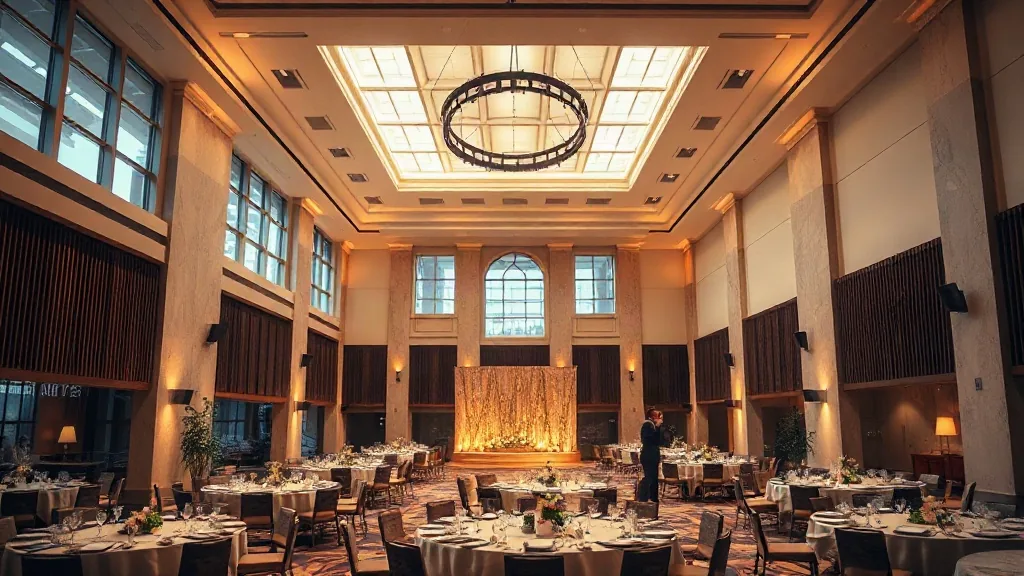
Most zero-waste catering asks die in the banquet office because they cost the venue money or labor it will not give. Here is what a venue will actually say yes to, what it costs, and the language to put in the contract so it happens.
 Guide
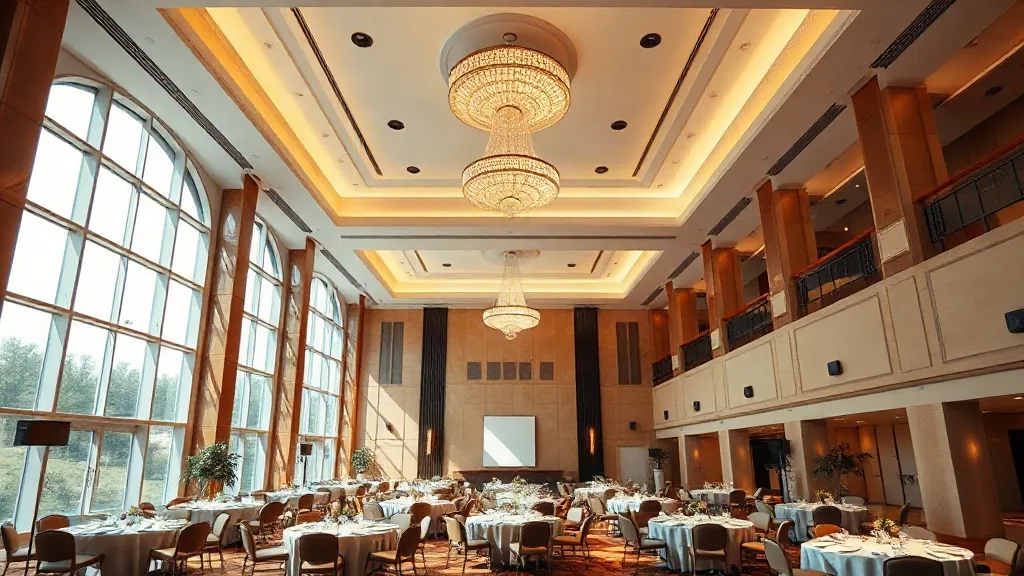
The indemnification clause decides who pays when someone gets hurt or something breaks. Most are written to make you cover the venue for its own mistakes. Here is how to read the three flavors and the one edit that makes it fair.
 Guide
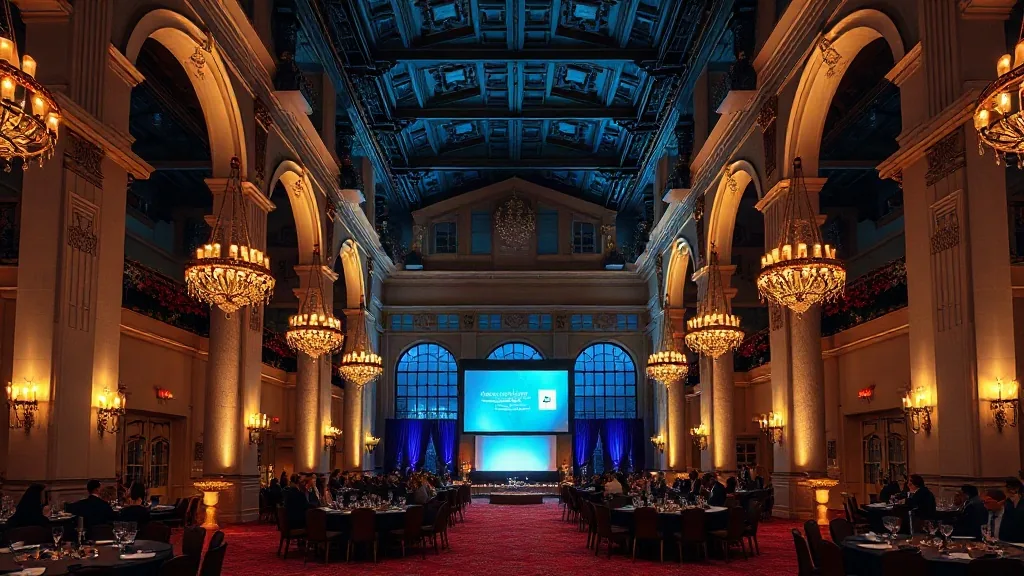
A safety summit works when the venue is close enough to the plant that line supervisors can attend and still cover their shift. Here is how I pick a venue near the facility, plan the plant tour, and keep the day useful instead of a downtown junket.
 Guide
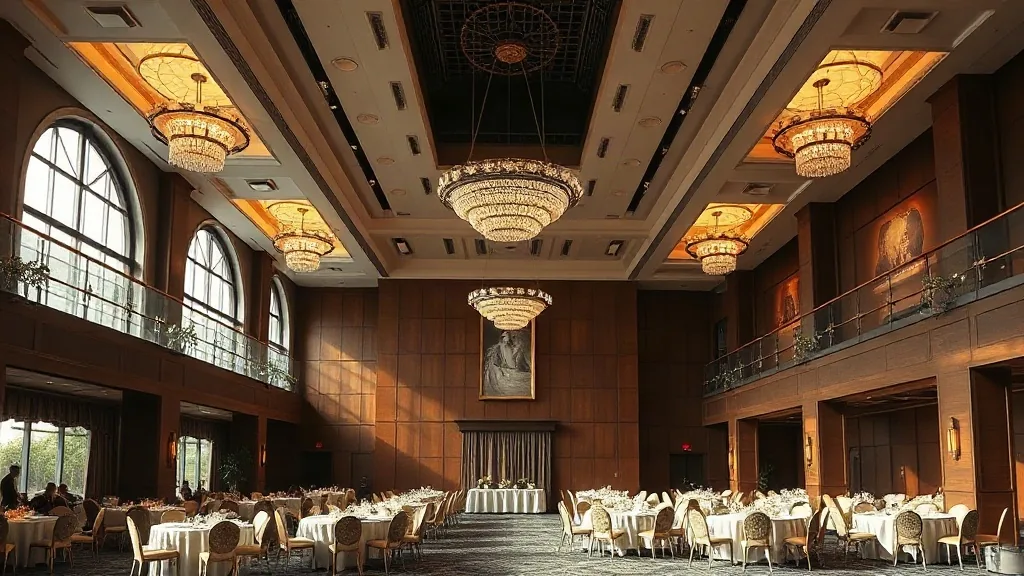
A named storm formed 60 hours before a 300-person conference in Tampa. One clause in the contract turned a lost $54,000 into a full rebook credit with no fee. Here is the force-majeure and rebooking language that held when the airport closed.
 Guide
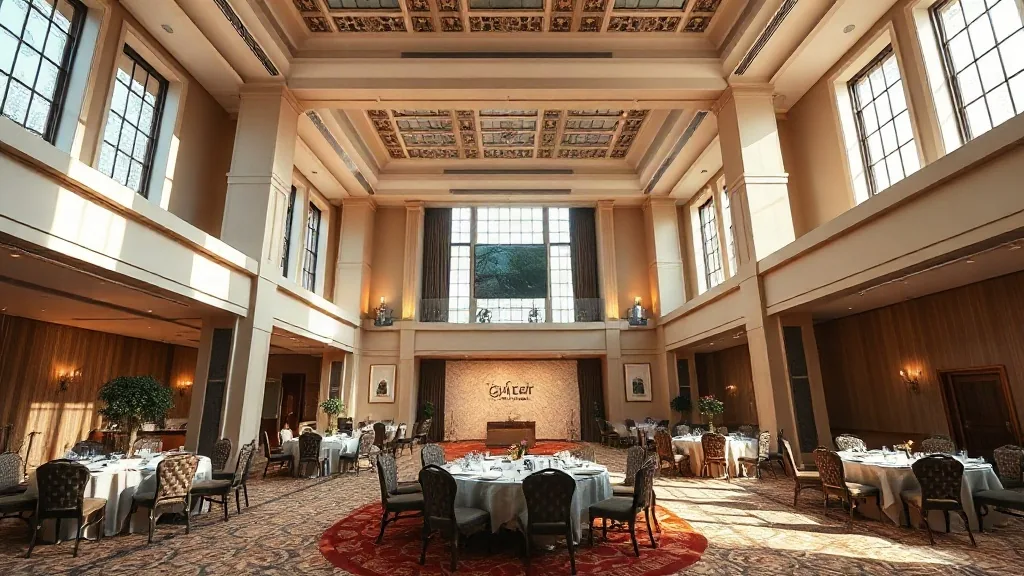
An audit committee reviews material non-public information in the room, so the venue's document handling, network isolation, and staff-access rules matter more than the catering. Here's the setup and the contract language I use when the meeting can move a stock price.
 Guide
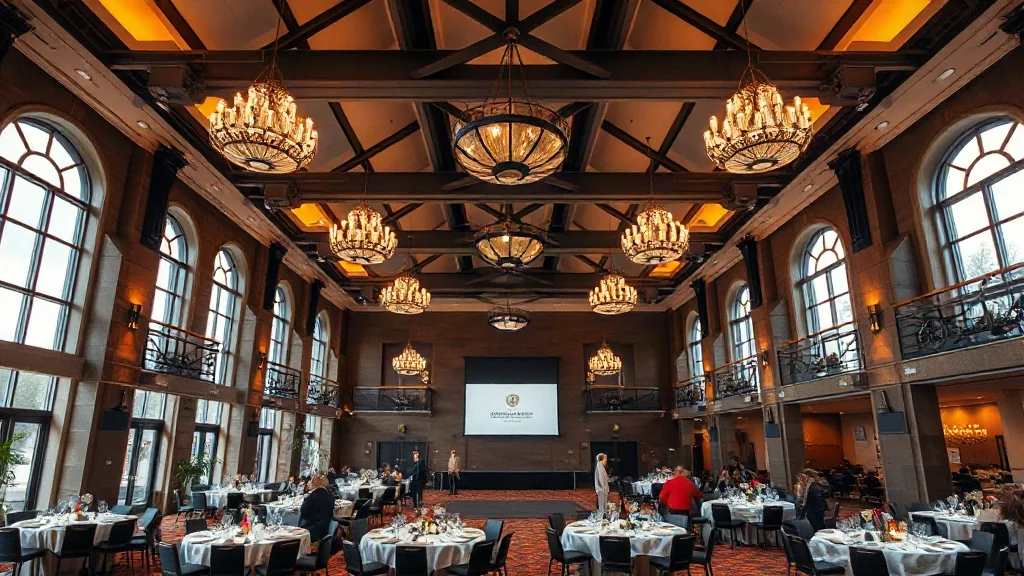
The COI request looks like paperwork and turns into a fire drill three days out because the additional-insured wording is wrong. Here is exactly what the venue is asking for, what the terms mean, and how to get it right the first time.
 Guide
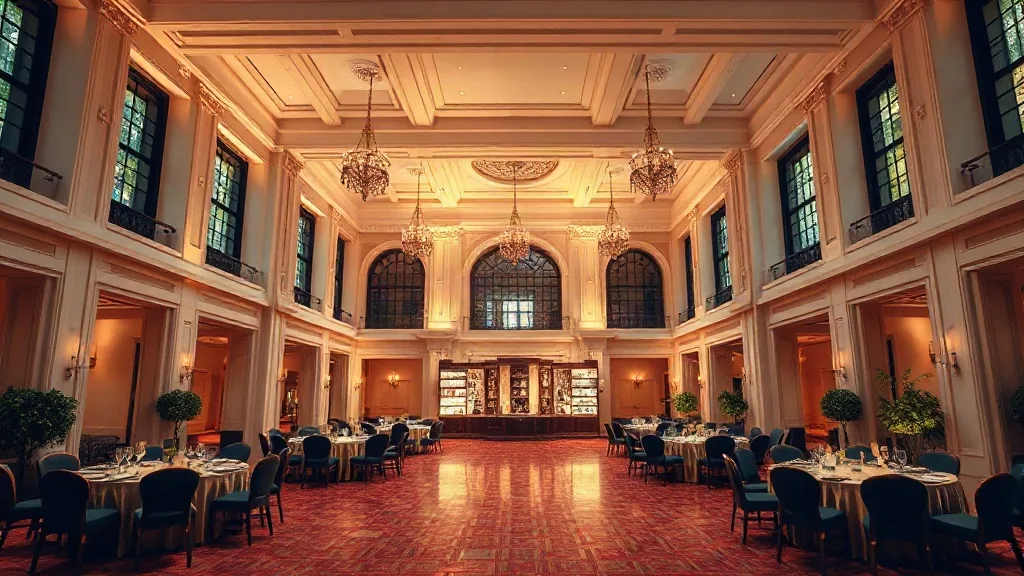
A January kickoff means booking a venue that works when the temperature drops and the roads ice over. Here is how I plan for weather, short daylight, and a room full of people about to disappear into tax season.
 Guide
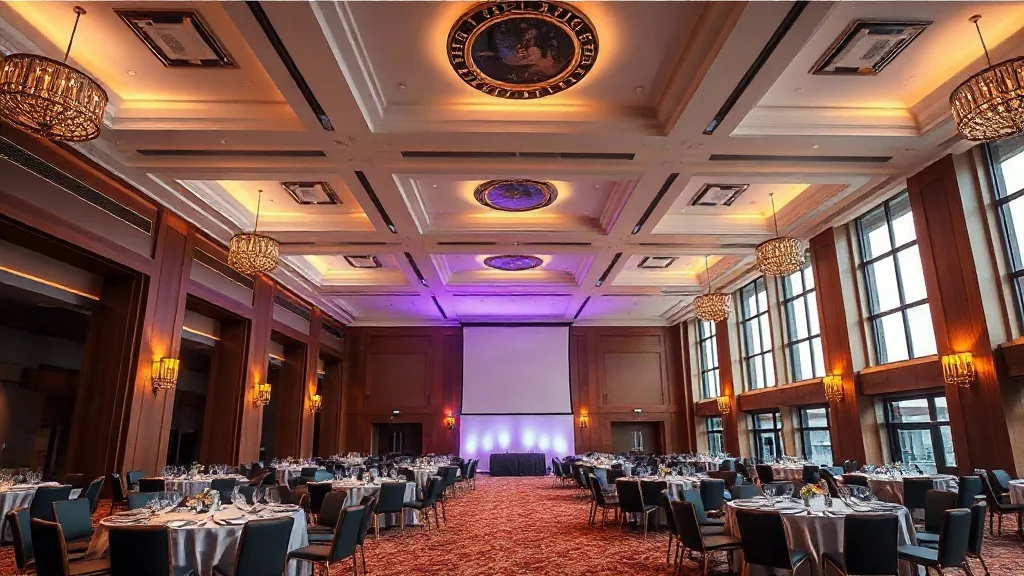
A twelve-person CAB dinner lives or dies on whether everyone can hear the person across the table. The room, the table shape, and the acoustics matter more than the menu. Here is how I set a dinner where the conversation is the deliverable.
 Story
I've been on the venue side and the planner side, and I still got fooled by photographs in 2022. Here's exactly what happened, what I should've done, and the four questions that prevent it forever.
 Guide
A venue owed my client a $9,000 refund and sat on it for 71 days with no clause forcing their hand. Here is the refund-timeline language that puts a deadline and a consequence in the contract, and how to collect when they stall.
 Guide
In a union house you do not touch your own gear. The stagehands do, at posted rates with minimum calls and overtime rules that can double a load-in bill. Here is how the labor math works and where it is negotiable.
 Guide
The venue quote covers the room. It does not cover the power, the rigging, the internet, and the labor a SaaS user conference actually needs. Here is the AV load that blows up first-timer budgets, and how to price it before you sign.
 Guide
F&B minimums are the most misunderstood line in venue contracts. They're not the price. They're the floor. Here's how they actually work, with eight real contract excerpts from my files.
 Story
The venue said AV was included. The final invoice added eleven thousand dollars in line items the word included never covered. Here is how in-house AV pricing actually works and when I bring my own vendor instead.
 Guide
I've signed something like 380 venue contracts in fourteen years. The pattern of what kills budgets is repetitive. Here are the eleven clauses I scan for first, with examples of what you'd actually see and how to push back.
 Story
We had the F&B nailed. We had the AV nailed. We had a clean contract. And then the final invoice arrived and it was $14,200 over what we'd budgeted. Here's exactly where the gap came from.
 Guide
Hybrid events sound simple — in-person attendees plus a livestream — and they are brutally not. Here's what I've learned from 23 of them about AV, the budget surprises, and the four things that actually matter.
 Guide
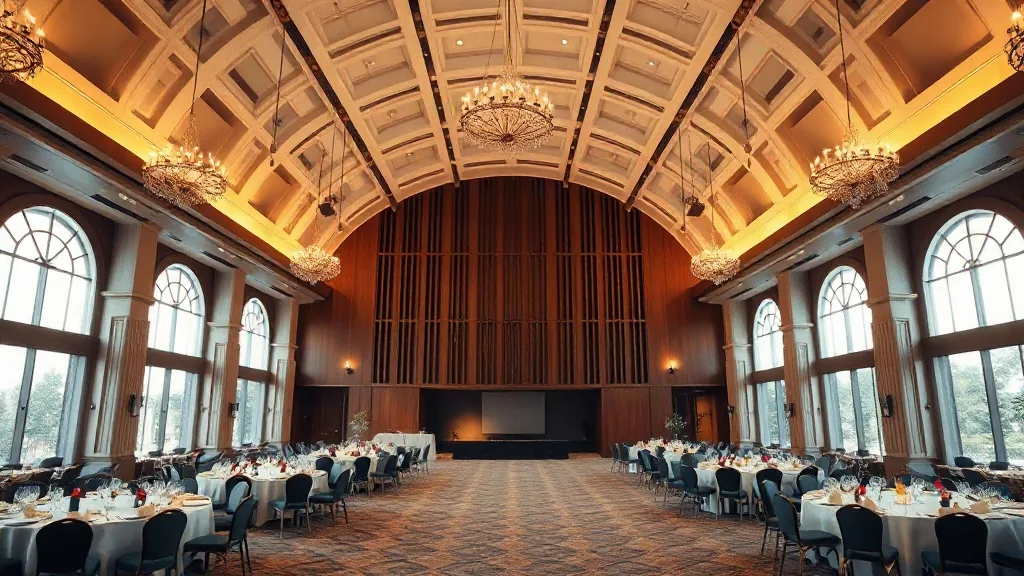
A President's Club trip has to feel like a prize and still pass a compliance review. Here is how I book the reward tier so the winners feel celebrated and the contract does not blow up on attrition or a rain date.
 Guide
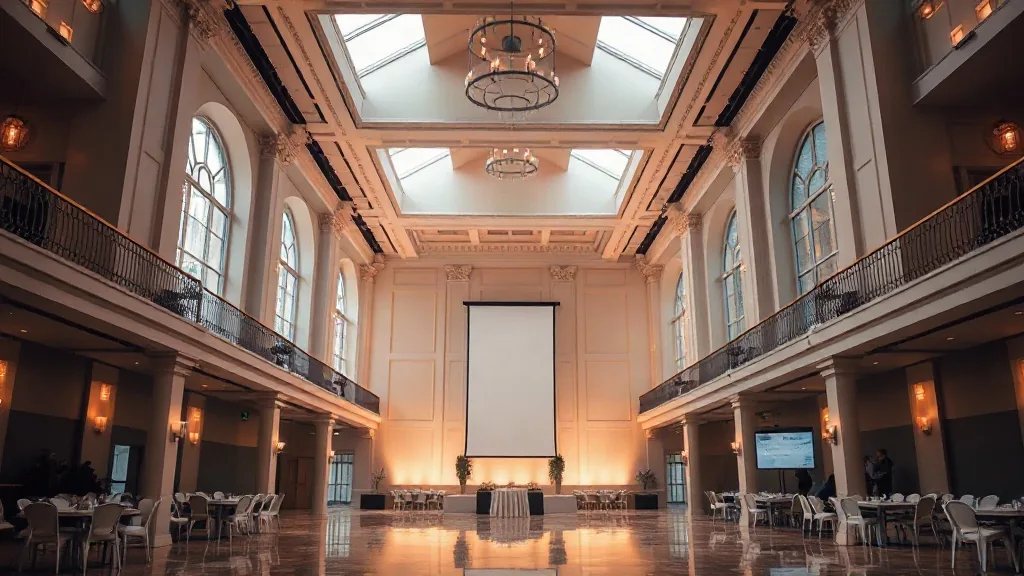
A venue wanted 100 percent by check 14 days out. My finance team needed net-30 and a PO. Both were right, and the fix took one clause. Here is how to structure venue payment so it clears procurement without blowing the deposit deadline.
 Guide
Audiovisual is where the cleanest contracts go to die. Here's the list I run with the venue tech lead before I commit — most of these will only get answered if you ask.
 Story
Day-of, our CEO's flight got cancelled, the venue's loading dock collapsed (literally), and the AV company's lead engineer texted in sick. Here's exactly what we did in the 47 minutes between 'we have a problem' and 'doors open.'
 Guide
Hotel chains, independent event spaces, and historic venues all have different deposit and cancellation norms. Here's the actual market by tier, with the asks I make to bring deposits down by 30-50%.
 Guide
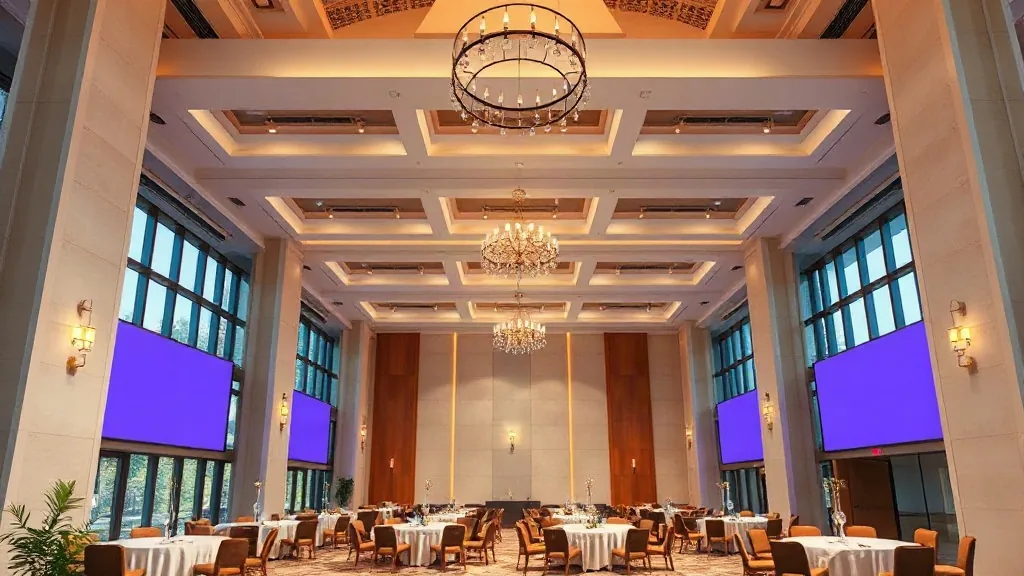
An HR leadership retreat talks about comp, terminations, and org design in the open, so the venue's privacy and sound isolation matter more than its spa. Here's the checklist I run before booking one, from soundproofing to the breakout ratio to the contract line that protects the discussion.
 Guide
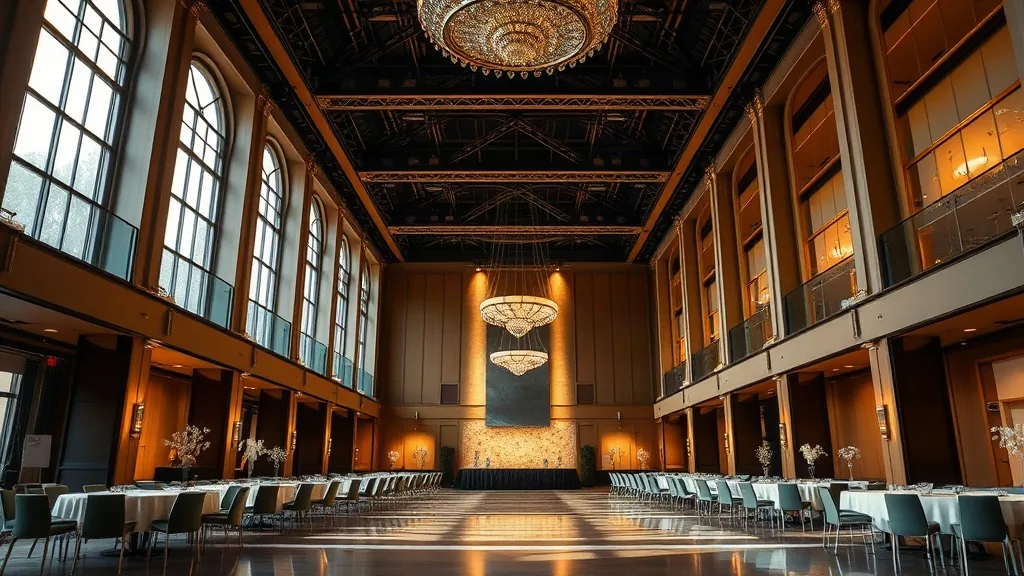
Corkage, cake-cutting, plating, and chef-attendant fees can add thousands to a banquet bill that looked finished. Here is every hidden per-item charge I hunt for before signing, and what each one should actually cost.
 Guide
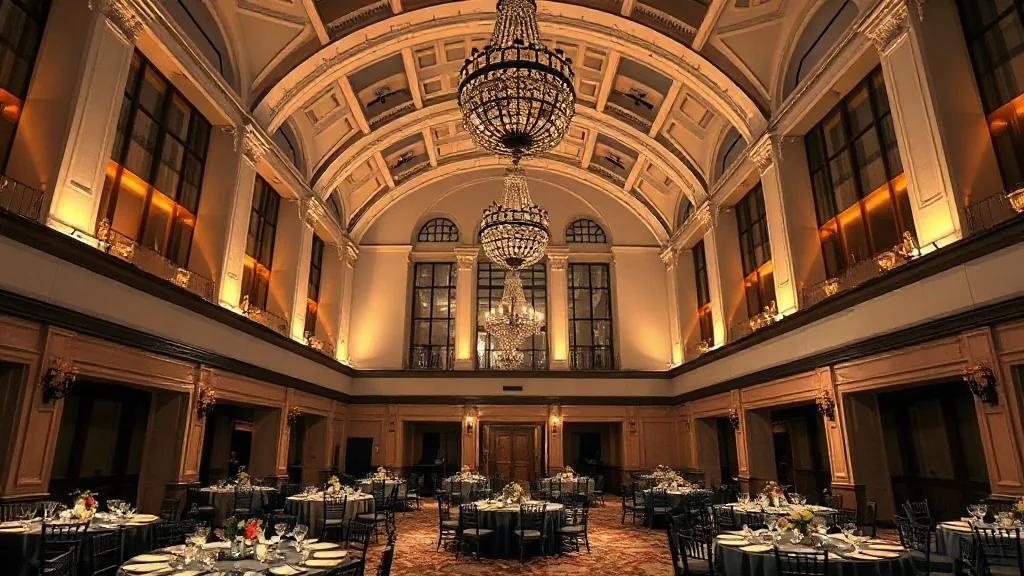
Hospital leadership meetings carry patient data into hotel ballrooms, and most venues have no idea. Here is how I pick a room, lock the privacy terms, and keep a health-system offsite clean of compliance risk.
 Guide
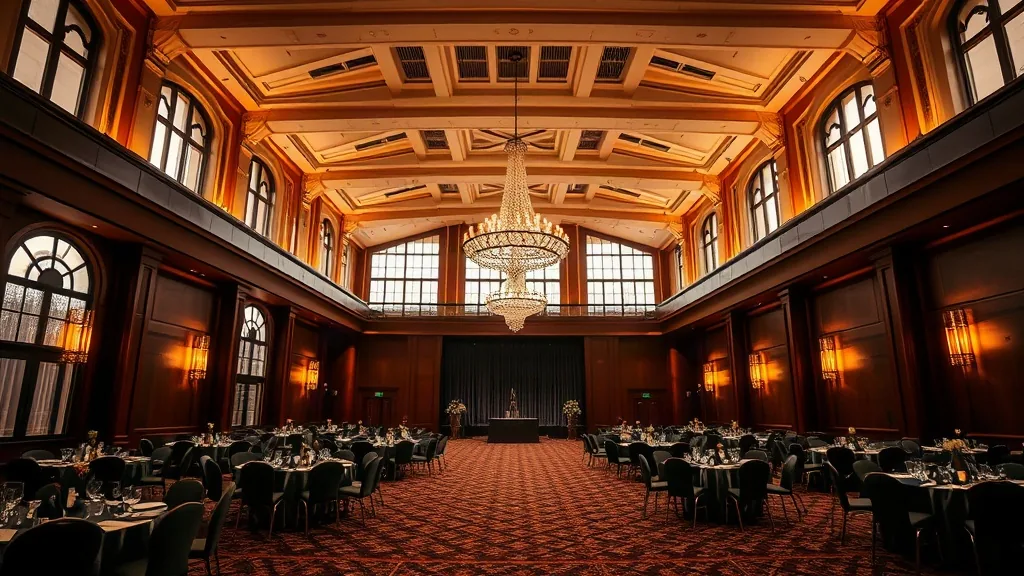
Two amenities that association and policy events now expect, and that most venues handle badly by default. Here is what the building actually offers, what you can convert on the day, and the language I put in the contract so it is not a surprise.
 Guide
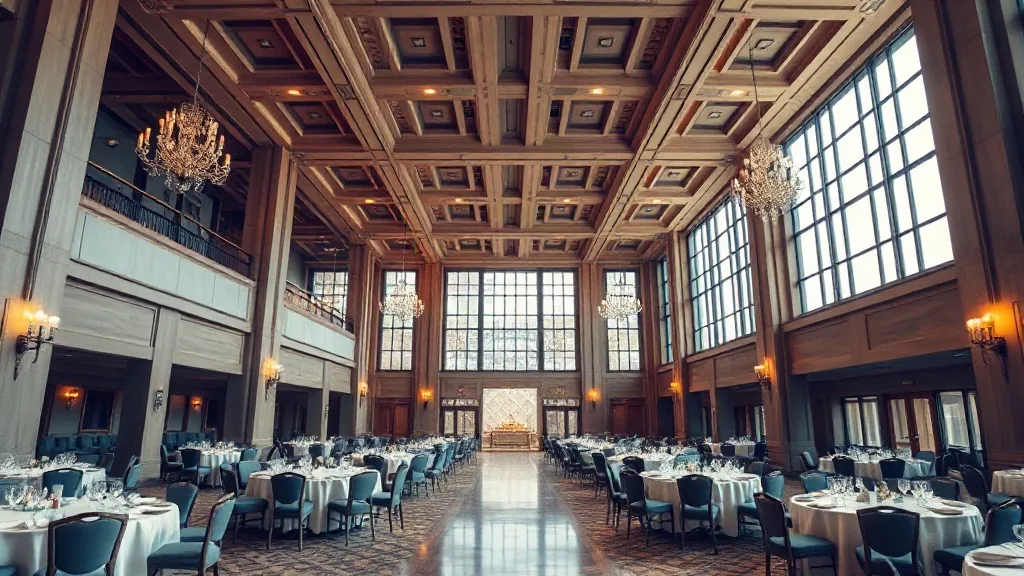
A $32 resort fee across 180 room-nights is $5,760 that never appears in your rate comparison. Parking validation math runs the same way. Here is how to price both into the real cost and where the negotiation actually lands.
 Guide
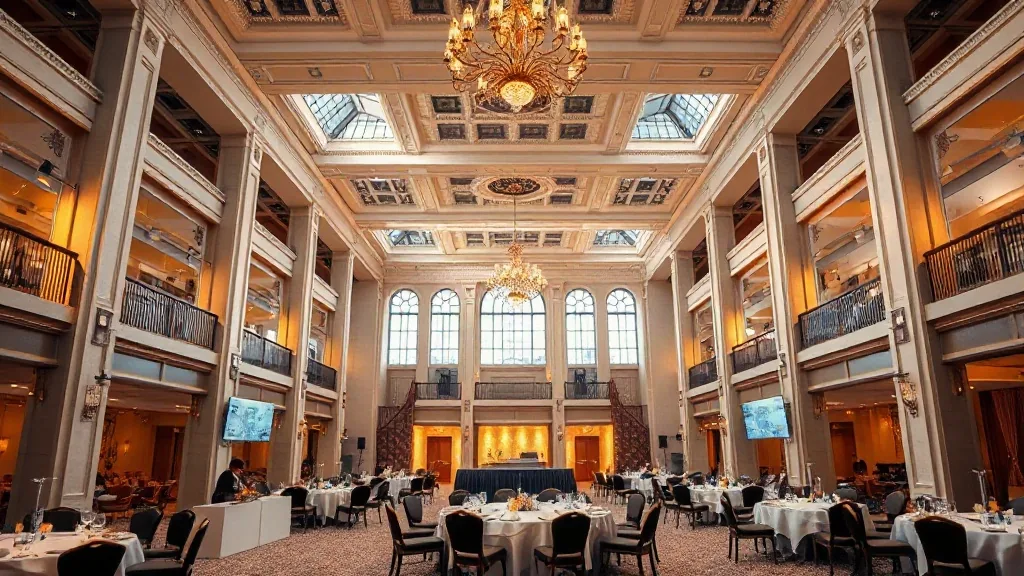
An outdoor venue without a weather clause is a bet you did not know you placed. Here is the contract language that moves the rain risk off your budget, the tent math, and the call-time deadline that decides who pays.
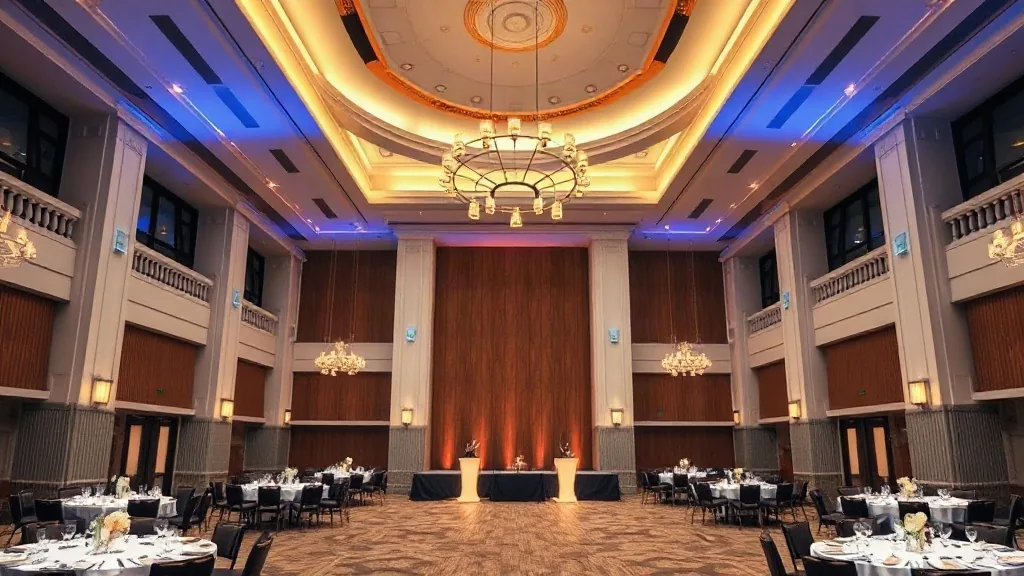 Guide
A fintech launch party has a second guest list you can't see: compliance. Gifts, giveaways, recorded claims, and who pays the bar tab all get reviewed. Here is how I plan the night so legal signs off the first time.
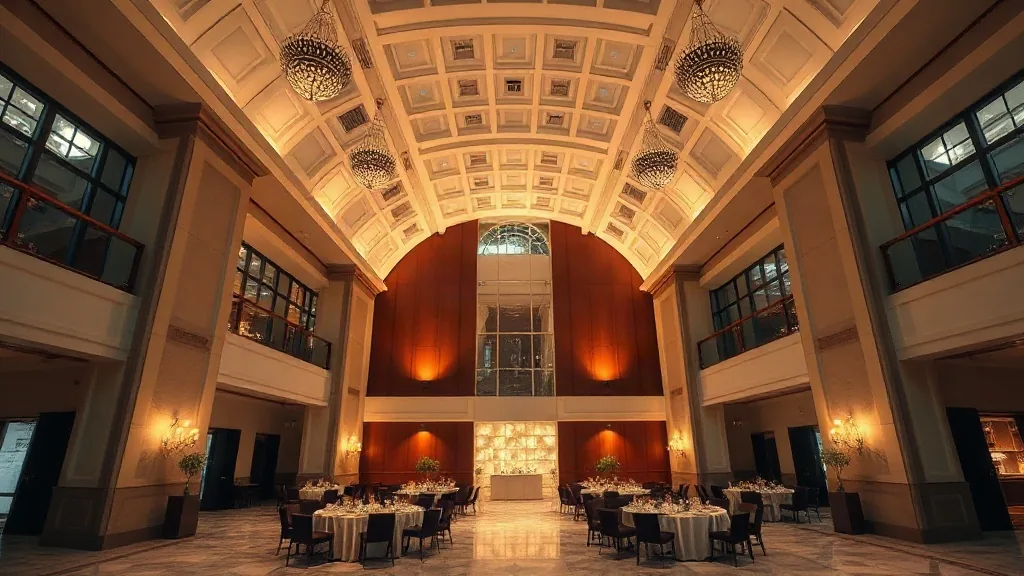 Guide
The 24 percent line on your banquet bill is not a tip, and in most states none of it is legally required to reach the servers. Here is what each fee is, where the money goes, and the questions that stop a five-figure surprise.
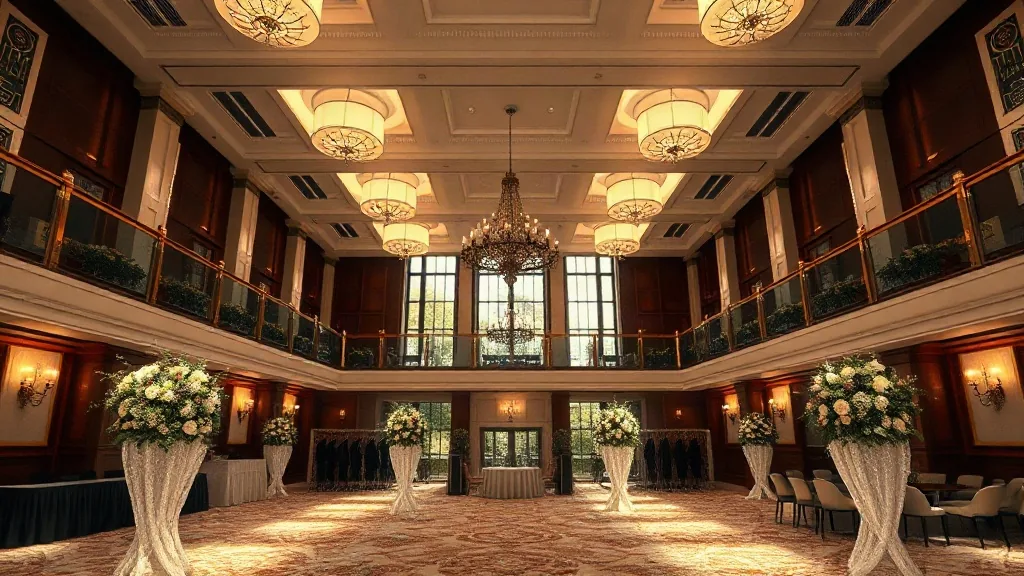 Guide
Someone junior usually gets handed the partner retreat and no rulebook. Here are the unwritten rules a law-firm retreat runs on, from hierarchy in the room to the private-dinner clause that decides whether it works.
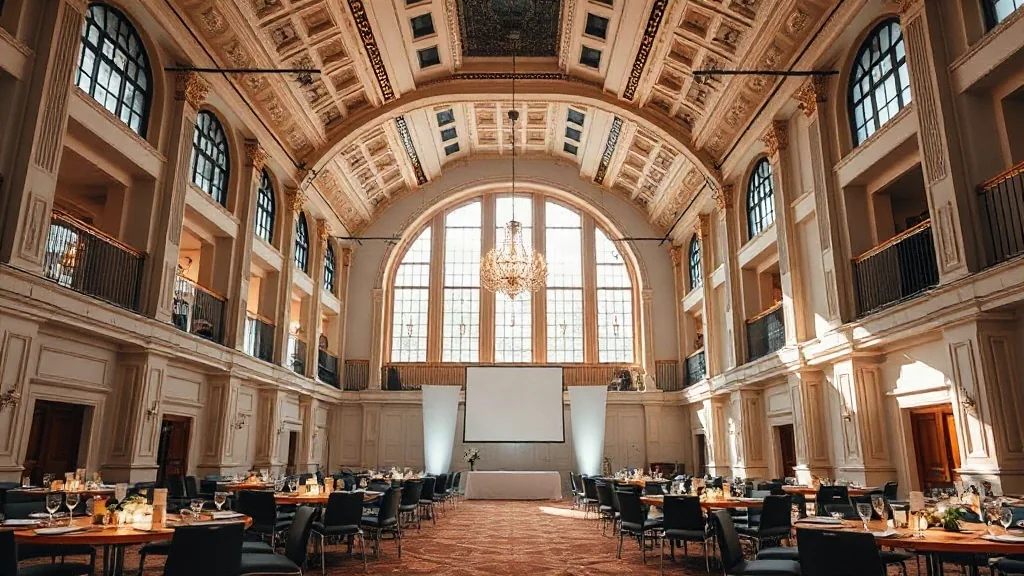 Guide
A nonprofit paid 8.25 percent sales tax on a $60,000 event it never owed, because the exemption certificate arrived after the deposit posted. Here is the paperwork sequence, the states where it breaks, and how venues actually process an exempt invoice.
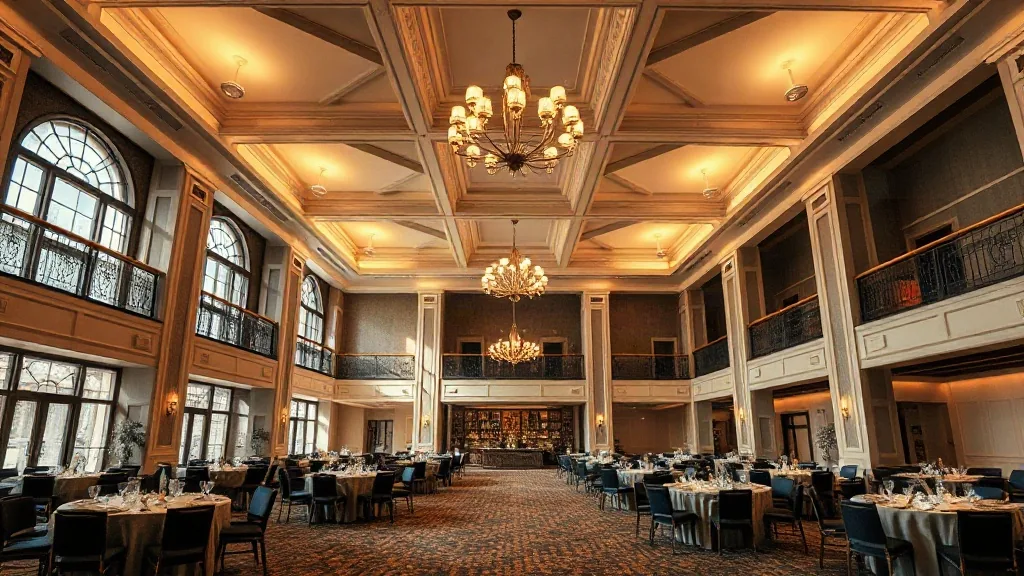 Guide
Every badge scan and every event app is a data collection point, and in healthcare and finance rooms that turns into a liability fast. Here is what I collect, what I refuse to, and how I get consent that holds up.
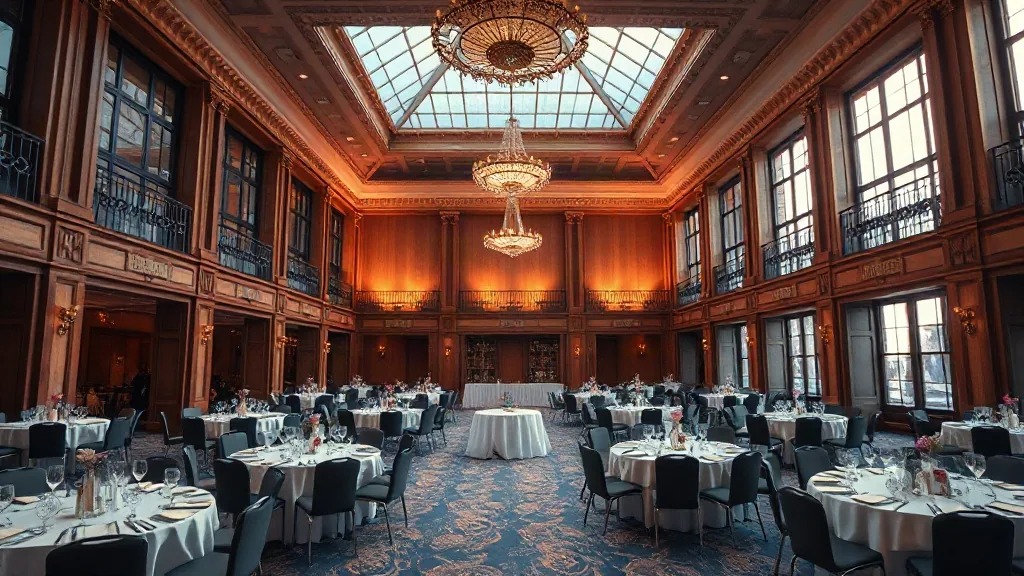 Guide
Venues make real money on in-house AV, and the markup hides in labor rules and connection fees, not the gear line. Here is how I read a house AV quote, when I fight it, and when the convenience is worth paying for.
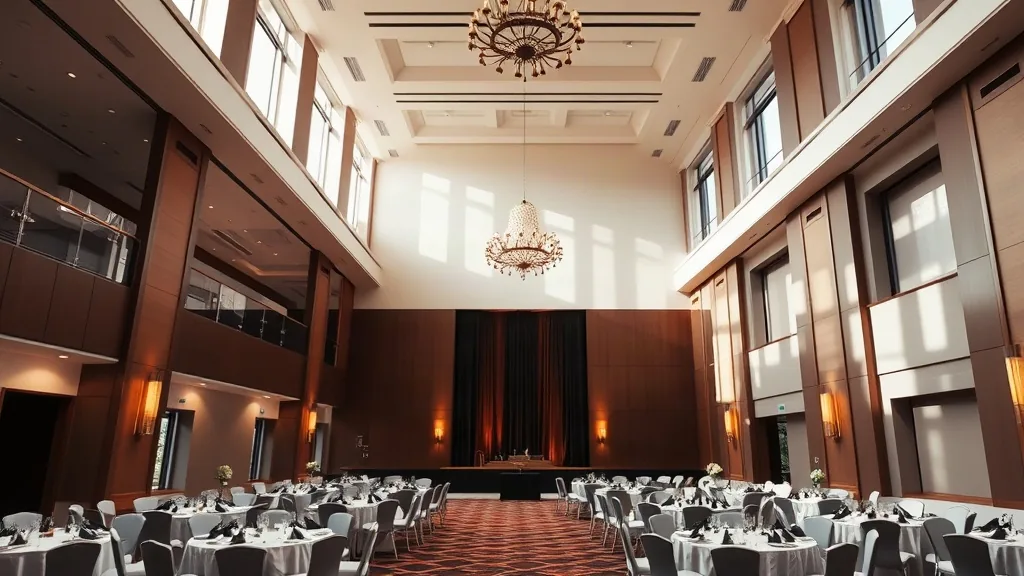 Guide
When your offsite bills back to a federal contract, the GSA per-diem rate is the real budget, not what the CFO approves. Here is how the lodging and M&IE ceilings shape venue choice, and what gets a cost disallowed on audit.
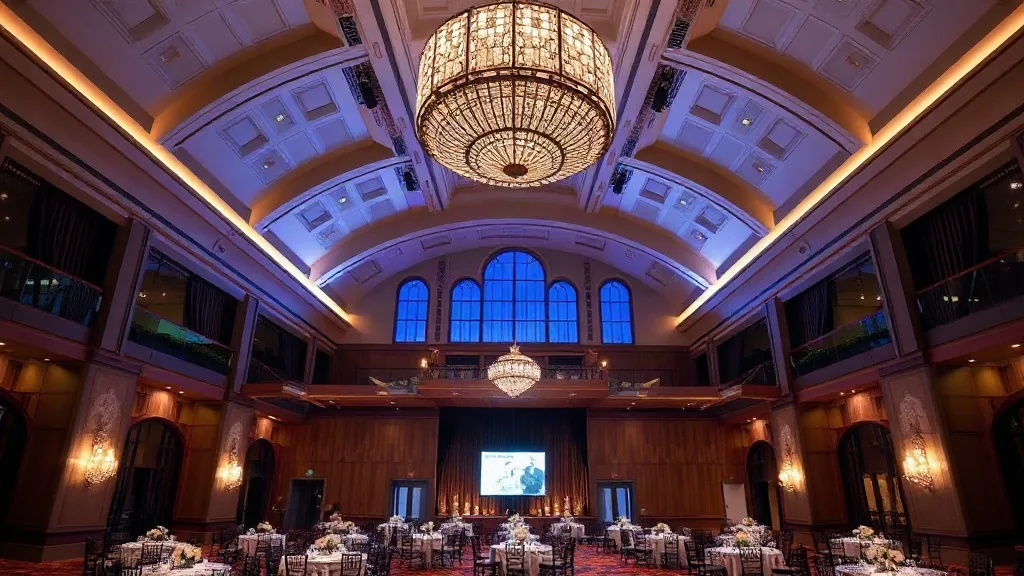 Guide
A three-year venue deal can lock in a rate and save real money, or trap you in a room your event outgrows. Here are the clauses that decide which one you get, and the walk-away signals I hold firm on.
 Guide
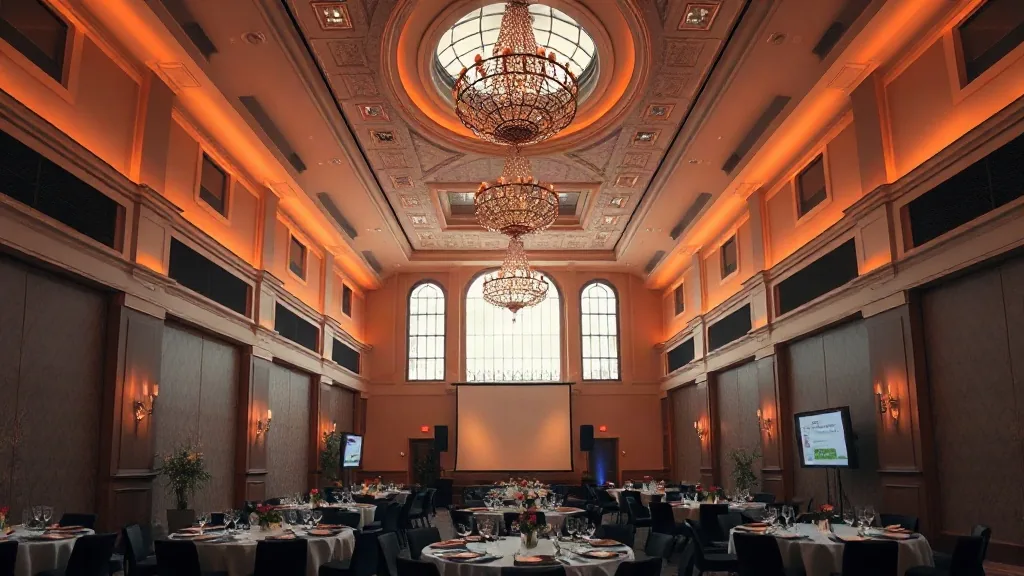
Cancellation clauses climb by the calendar, from 25 percent nine months out to 100 percent inside 30 days. The ladder is negotiable if you know which rungs to push. Here is how I move the dates and cap the number before I sign.
 Guide
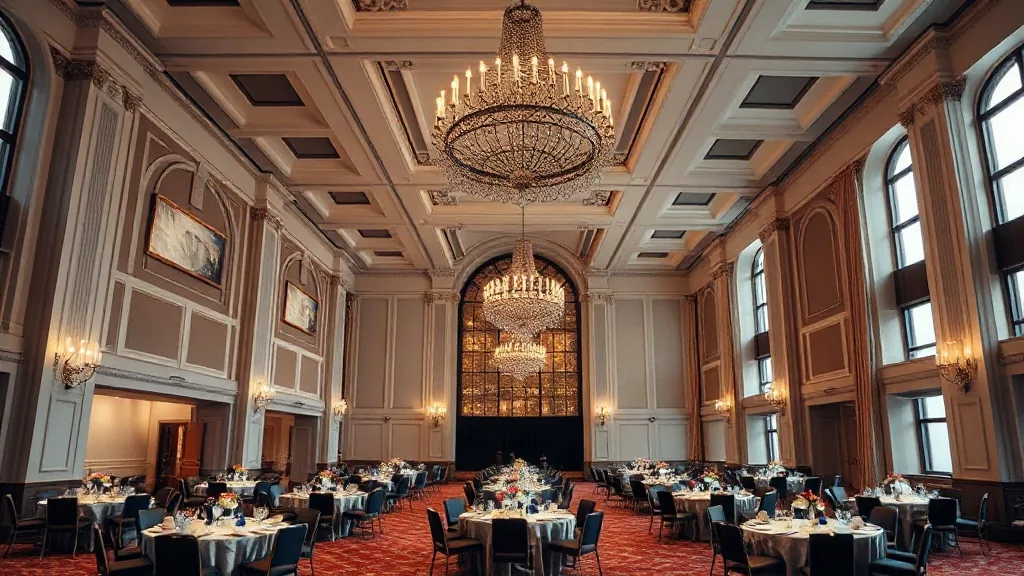
One MSA with a hotel group can lock a rate card, waive a resort fee, and cut your legal review from three weeks to two days per event. Here is what belongs in the master, what stays in the per-event order, and where groups push back.
 Guide
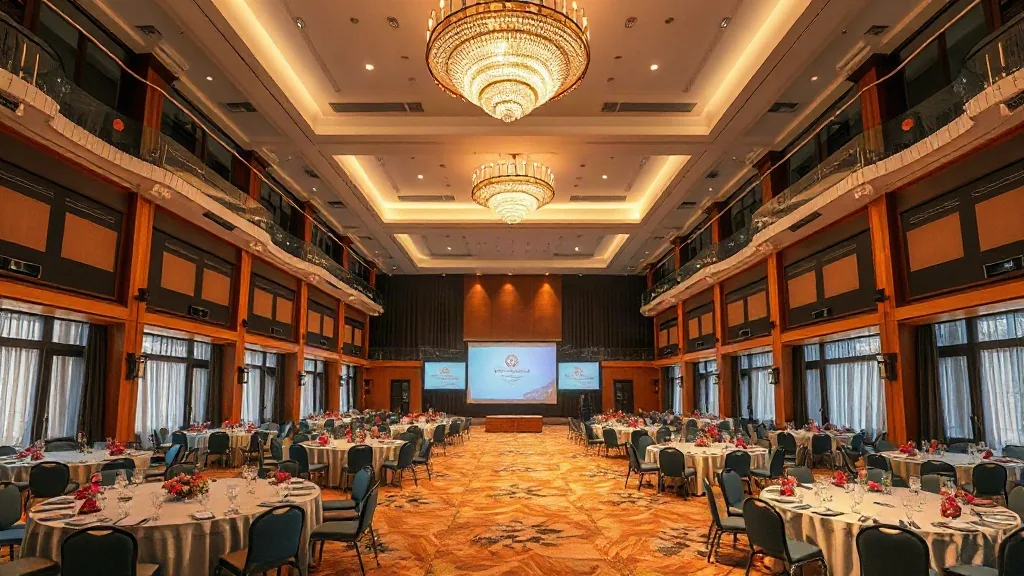
A PE summit gets scrutinized line by line by people who read balance sheets for a living. Here is how I build a venue budget that survives that review, and where the money should and should not go.
 Guide
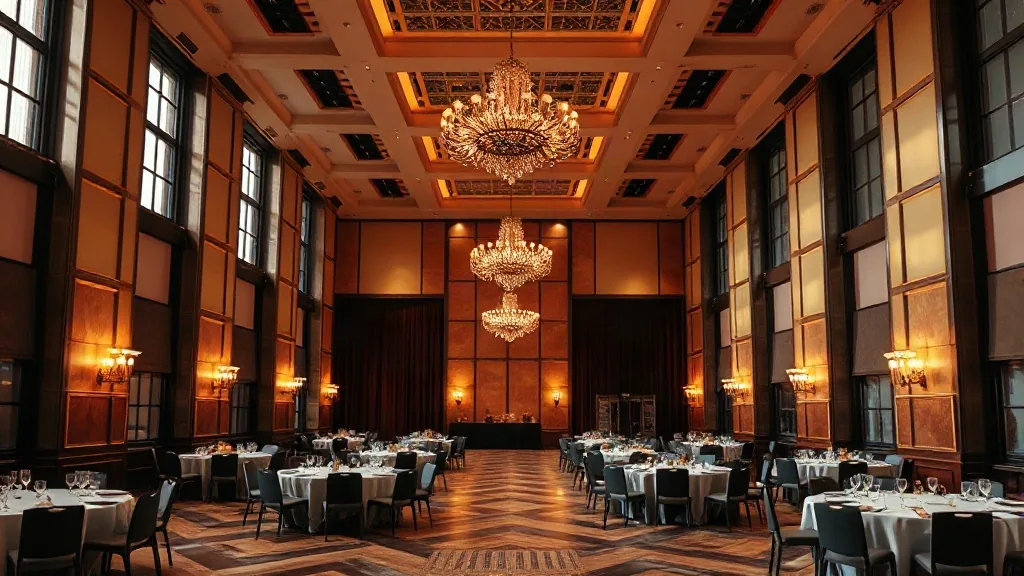
Most accessibility problems are cheap to fix in the walkthrough and expensive to fix on event day. This is the pre-contract route I walk through every venue, the questions that expose the fake accessible spaces, and the two clauses I add before I sign.
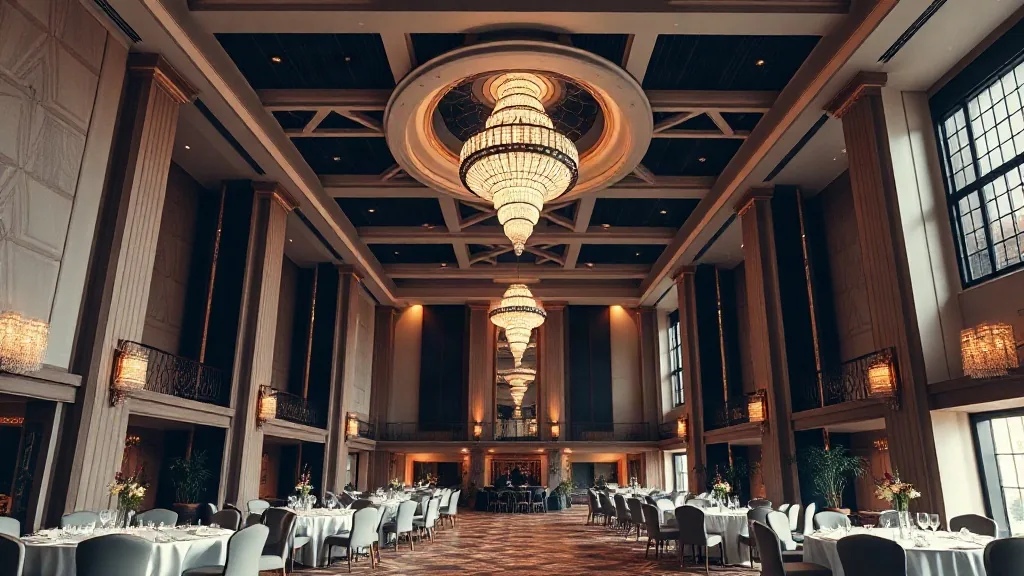 Guide
Cannabis operators get told yes on the phone and no in the contract. The block is almost always the venue's insurance, not the venue. Here is where the coverage breaks and how I get a signed date anyway.
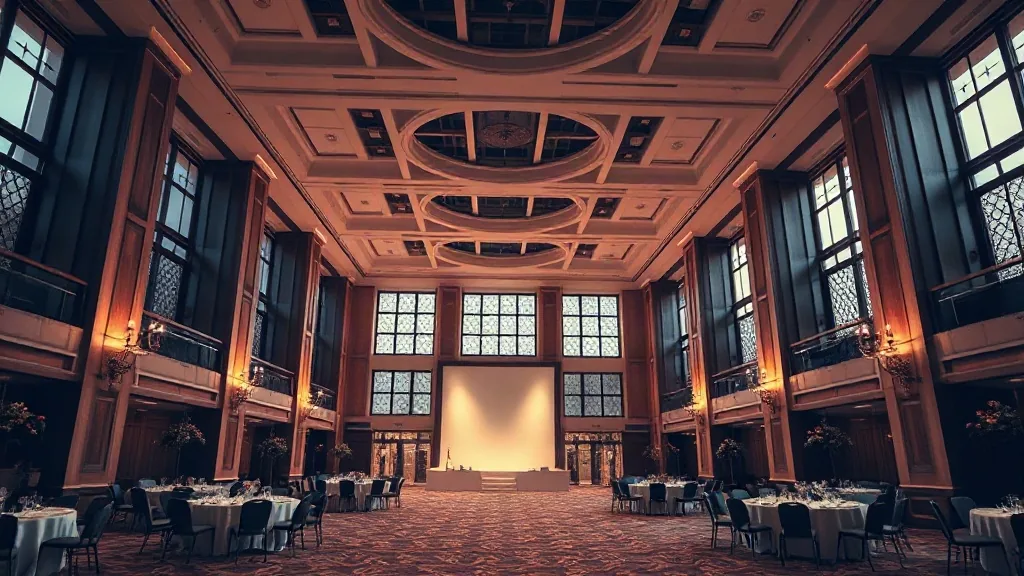 Guide
The venue owns the building code. You own the event you run inside it, and a temporary stage or a badge table can put you on the wrong side of the ADA. Here is where the liability actually shifts, and the walkthrough that catches it.
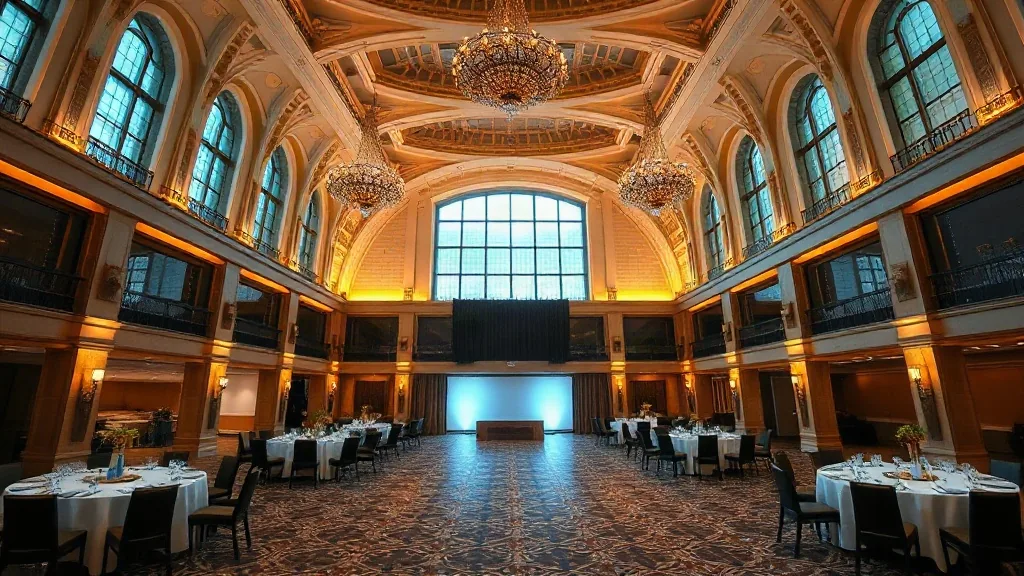 Guide
An advisory-committee mock panel needs a room nobody can overhear and a screen big enough for real slides. Here is how I book the space, lock the confidentiality, and keep a two-day prep drill from leaking or falling apart.
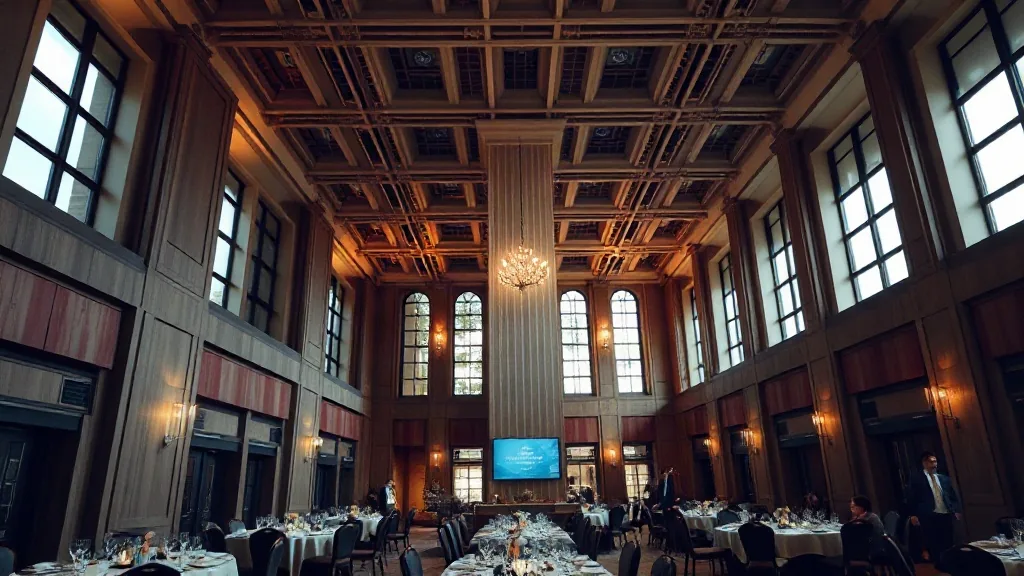 Guide
There are about six weeks a year when venue calendars are so empty the revenue manager will move on price, minimums, and terms all at once. Here is the dead-week calendar and how to use it.
 Story
I was 10 minutes from signing a contract for a 220-person conference at an Atlanta event venue when a single clause in section 14 caught my attention. The clause held me personally liable for all vendor-caused property damage during load-in. This is exactly what it said, why it got there, and what the renegotiated language looked like.
 Guide
Event insurance brokers default to maximum coverage because the premium difference between a $1M and a $5M general liability policy is small and the liability from underselling is real. The result is that planners routinely pay for coverage they don't need on items where the actual risk is minimal. Here are the line items where reducing limits saves money, and the ones where you should not touch the coverage.
 Guide
Preferred florists at hotels and event venues charge 20 to 35 percent more than market rate. In most cases, using them is not mandatory. In some cases it is. Either way, there is a negotiation available before you sign the floral contract. Here is how to read the venue relationship, run the comparison, and reduce the cost gap without creating a problem with the venue.
 Guide
Destination management companies take on complex multi-vendor logistics, but most are hired on a one-page letter of engagement that specifies almost nothing. The problems that come out of a vague DMC scope include undisclosed markups, substituted suppliers, and disputes over who owns the cancellation penalties. Here is how to write a DMC scope that leaves no room for those problems.
 Guide
Most venue contracts give you a preferred caterer list and leave a small door open for outside vendors. That door has conditions: a kitchen approval, a certificate of insurance naming the venue, and sometimes a buyout fee. Here is how to get an outside caterer approved without antagonizing the venue or voiding your contract.
 Guide
Planners routinely need to change headcount, catering style, or timing after a venue contract is signed. Some amendments are free and processed in 24 hours. Others trigger financial penalties. A few are genuinely off the table once the ink is dry. Here is the three-tier framework for assessing any post-signature change and the negotiation approach that softens the ones that cost money.
 Guide
Most planners hold dates and then ghost. The venue moves the date to another client, and the relationship chills. But there is a communication cadence that keeps the hold active, signals genuine intent, and converts a hold into a contract without forcing the venue to chase you. Here is the exact protocol.
 Guide
Beyond force majeure and attrition, venue contracts contain nine less-noticed clauses that routinely produce surprise charges after the event. Audio recording fees, parking liability, early-departure penalties, HVAC overtime, and exclusive decorator requirements are the ones most planners miss and most venues count on them missing.
 Guide
Most venue contracts give you 7 to 14 days to dispute the final invoice. After that, the charges are considered accepted. Six line items show up as overages on nearly every final bill, and most of them are contestable. Here is how to review the invoice, what to push back on, and how to do it without burning the relationship.
 Guide
Service charges go to the venue's operating revenue. Gratuities go to the service staff who worked your event. Most planners conflate them, tip lightly or not at all, and never know the difference. The specific contract language that requires gratuity distribution to servers costs nothing to add and changes what the staff who served your event actually take home.
 Guide
The first call with a venue sales manager is information gathering. The second call is the negotiation, and showing up without specific language is the fastest way to get concessions that look meaningful but don't move the number. A scripted approach for reducing the minimum, getting menu substitutions, and capping service charges produces real savings.
 Guide
Room block sizing for a multi-day conference involves pickup rate history, attrition exposure, and the concession value embedded in a large block. The math is straightforward but most planners either overblock and face attrition or underblock and lose the concessions that make the whole deal work.
 Guide
Venues increasingly require $2-5 million in general liability coverage plus additional insured naming before they'll allow outside vendors into the space. Some of those requirements are legitimate. Others are designed to funnel you toward in-house vendors. Knowing the difference saves money and keeps vendor relationships intact.
 Guide
Venues typically ask for 25-33% at signing and another 50% at 90 days, leaving a final 17-25% due 30 days out. Each rung of that ladder is negotiable, and the specific counter-offer ranges that succeed vary by venue tier. Knowing when walking away is the right call matters as much as knowing the counter-offer.
 Guide
Standard force-majeure language in venue contracts covers natural disaster and government order. It does not cover building infrastructure failure, labor action at the venue, government-order-adjacent disruptions, or pandemic sub-events like travel restrictions that don't rise to a shutdown. Four specific language additions close those gaps.
 Guide
Most planners sign attrition clauses without calculating their maximum exposure. The formula is simple but the variables are specific, and the penalty on a 200-person event can reach $18,000 if attendance falls short. Three worked examples show the math and where to negotiate before you're locked in.
 Guide
Banquet event orders contain pricing traps in setup fees, labor charges, and equipment rentals that most planners never question. Walking through each section with standard industry ranges shows you exactly where the negotiation lives and which charges are manufactured margin.
 Guide
Most venue RFPs are so vague that sales managers fill them with brochure copy and send back a PDF with stock photography. Eleven specific questions change that. They force the venue to reveal catering exclusivity, AV ownership, attrition terms, and load-in windows before you waste a site visit on a bad fit.