
When a museum is the right call, and when it is not
A museum works when you need a distinctive, low-effort venue with built-in atmosphere, but skip it if your group wants flexibility, late hours, or a space
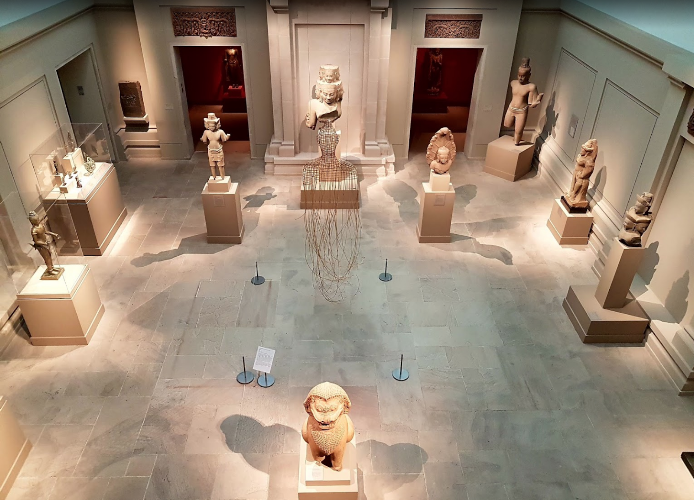
5,005 museums are listed in our venue directory. That number sits in a spreadsheet I open most Monday mornings, and it explains a call I got last month from a planner in Santa Fe. She had 90 out-of-town guests, a Thursday night open, and a client who wanted “something cultural.” She’d already toured two galleries and a historic house. All three were wrong, and she knew it before I said anything.
The museum question comes up on maybe one in six corporate briefs I touch. It’s rarely the obvious answer, and it’s rarely the disaster planners fear. Here’s how I sort it.
Museums that work for corporate groups, and the three traits they share
A museum earns its place on a corporate agenda when it has three things: a dedicated events team, a load-in door that isn’t the front entrance, and a floor plan that lets you keep food away from anything fragile.
The events team matters more than the collection. I’ve worked with a natural history museum in Albuquerque that assigned one coordinator to our group of 140 and gave us her cell number. I’ve also worked with a small art museum where the only contact was a curatorial assistant who was also running the front desk. Guess which one ran on time.
Load-in access is the thing planners forget to ask about until the site visit. If your AV vendor has to wheel cases through a public gallery during open hours, you’re paying for the extra labor and you’re paying in stress. Ask where the service entrance is, and ask what hours it’s available.
Food and drink separation is non-negotiable at most museums, and I’ve stopped arguing about it. Red wine near a textile exhibit is a claim waiting to happen. If your caterer wants to pass trays in the gallery, that’s usually a hard no. The answer is to rent the lobby or the atrium and treat the galleries as a walk-through.
One named detail worth stealing: the Museum of International Folk Art in Santa Fe caps seated dinners at 120 in its main hall and charges a separate security fee after 9 p.m. That fee ran us $340 in 2023. Worth knowing before you sign.
When a museum is the wrong call
Four situations where I now steer clients away from museums, sometimes after learning the hard way.
When the guest list is over 300 and the program includes a seated dinner. Most museum event spaces top out between 120 and 250 seated. Over that, you’re looking at tenting a courtyard or renting a separate venue anyway, and now you’re paying for two spaces. A banquet hall in Los Lunas, New Mexico handles 400 seated without blinking, and the parking is free. If your headcount is north of 300, start there instead.
When the client’s team wants to dance. Museums rarely allow amplified music after 10 p.m., and many cap the dB level during the reception. I had a software client book a contemporary art museum for a launch party with a DJ. The DJ played at half volume and the room felt like a library with a bar. The client was polite about it. I wasn’t.
When the budget is under $18,000 all-in. Museum rental fees alone often run $6,000 to $12,000 for a prime evening slot, before catering, staffing, and insurance. Security guards, coat check, and after-hours HVAC are line items you won’t see at a restaurant buyout. If the number is tight, a private dining room gets you a better guest experience per dollar. There’s a solid list of restaurants with private dining in Council Bluffs, Iowa if you want to see what that looks like in practice.
When the guest list is mostly local and the goal is networking. Guests who live 15 minutes from the museum have already been there, often on a school field trip. The novelty argument evaporates. A converted warehouse with exposed brick and good lighting does more for conversation, and hotel and resort venues in Missouri are cheaper per square foot than any museum I’ve quoted this year.

Cost comparison: museum versus the alternatives
I built a rough model for a 150-person evening reception, four hours, passed hors d’oeuvres, two bars.
| Line item | Museum | Restaurant buyout | Warehouse |
|---|---|---|---|
| Venue rental | $9,000 | $4,500 (often credited to F&B) | $5,500 |
| Security / staff | $1,400 | $0 | $600 |
| AV and load-in | $3,200 | $1,800 | $2,600 |
| Insurance rider | $450 | $0 | $300 |
| Total | $14,050 | $6,300 | $9,000 |
The restaurant buyout wins on pure cost every time. It wins because you’re buying food, and the room comes with it. Run your own numbers before you assume the museum is out of reach, though; the AV cost varies wildly by building, and I’ve been wrong about this more than once. I once told a client a museum would cost 40% more than a hotel ballroom. It came in 12% cheaper because the museum let us use its in-house sound system and the hotel charged for everything.
If you want to run the food and beverage side yourself, our event budget calculator will tell you whether a restaurant buyout actually pencils out for your headcount.
How to pitch a museum to a skeptical client
The client resistance I hear most is “museums feel stiff.” That’s a programming problem, not a venue problem.
Three fixes that work.
Book the last entry slot of the day, not the earliest. Guests arrive when the galleries are emptying and the light is better. A 6:30 p.m. start beats a 5 p.m. start at almost every museum I’ve worked with.
Put the bar in the room with the least interesting art. Counterintuitive, but it pulls people into the space they’d otherwise walk past. I learned this from a museum events director in Tucson who’d been doing it for 20 years.
Hire a docent for 30 minutes, not a full tour. Give guests the option to join a short walk-through and let everyone else drink. Mandatory tours kill receptions.

The short version, and what I need from you
Museums are the right call when you have 120 to 250 guests, a client who values atmosphere over volume, a budget above $18,000, and a program that doesn’t need a dance floor. They’re the wrong call when you need 400 seats, a DJ, a sub-$15,000 spend, or a room full of locals who’ve seen it.
I’ve booked museums for product launches, board dinners, and one very good retirement party. I’ve talked clients out of them at least a dozen times, and I’ve never regretted the no.
If you’re weighing a museum against a warehouse, a restaurant, or a banquet hall, send me your brief. Headcount, city, date, budget range, and whether there’s dancing. I’ll tell you which one I’d book and why, usually within a day.
Planners who want the full venue vetting checklist can find it in our resources for planners.
Questions planners ask about this
How do I know if a museum is right for a corporate event?
Look for three things before you commit. Does the museum have a dedicated events team, or is your contact also covering the front desk? Is there a load-in door separate from the public entrance? Does the floor plan let you keep food and drink away from anything fragile? If any answer is no, keep touring.
Is a museum a good venue for a corporate reception?
Sometimes, and the collection has little to do with it. A museum works when it has staff who run events as their actual job, a service entrance your AV vendor can use, and a layout that separates catering from the exhibits. Without those three, a gallery or historic house usually serves your group better.
What should I ask a museum before booking a corporate event?
Ask who your day-of contact is and whether that person has a direct line. Ask where the service entrance is and what hours it is available. Ask how the venue handles food and drink near the collection. Ask what the room capacity is for your setup. If the venue cannot answer any of these, that is your answer.
When is a museum the wrong choice for a corporate group?
When your only contact is a curatorial assistant splitting time at the front desk. When your AV vendor would have to wheel cases through a public gallery during open hours. When there is no way to keep catering away from fragile pieces. Any one of those turns a cultural evening into a logistics problem.
How many museums are in your venue directory?
The directory lists 5,005 museums. That is a large pool, but volume is not the same as fit. Filter first on whether the venue has an events team, a non-public load-in route, and a floor plan that protects the collection from your catering. Then tour.
Do museums charge more than galleries or historic houses?
We do not publish venue pricing, and we would not guess at it. What you should ask the museum directly: the rental fee, what it includes, staffing costs, security requirements, insurance requirements, and any catering restrictions. Compare those line items against your other tours rather than comparing a single headline number.
Send me three things: your headcount, your date, and your brief. I'll pass them to venues that match, and they'll come back with quotes. I've guessed wrong on headcount before and paid for it, so give me the real number. That's it.


