
 F&B
Catering minimums on a Monday versus a Saturday
A Saturday minimum can run triple a Monday's, so knowing the gap before you tour keeps your budget and your venue shortlist aligned.
Per-head costs, service styles, minimums, and the consumption lines that move a final invoice.
49 posts
F&B A Saturday minimum can run triple a Monday's, so knowing the gap before you tour keeps your budget and your venue shortlist aligned.
 Guide
A five-day onboarding week is the one booking where the same room every day is a feature, not a compromise. Lock one space, negotiate a multi-day rate, and fix the catering so nobody's eating hotel sandwiches by Wednesday. Here's the money math.
 Guide
A buffet for 400 either flows in 35 minutes or becomes an hour-long line that eats your program. The difference is line count, double-siding, and dismissal order, none of which most planners think to specify. Here is the math.
 Guide
A customer success summit is a training event wearing a summit's name, and theater seating is where hands-on skills go to die. Here's the classroom setup, the breakout math, and the catering rhythm I book so CSMs leave certified instead of just lectured at.
 Guide
A donor gala is a fundraising instrument dressed as a dinner, and the venue either helps you close gifts or gets in the way. Here is the checklist I run before booking a room where major-gift asks happen.
 Guide
When a company goes remote and gathers in person twice a year, the all-hands carries a weight a weekly standup never did. This may be the only day the team is in one room. Here's how I book and shape it so the founder's voice lands and the room feels like a company again.
 Guide
You do not need a sommelier to run a wine list that impresses a client table. You need a short, safe strategy and a few rules about price, pairing, and pour count. Here is the approach I use to order wine for a twelve-top I care about.
 Story
A stone-and-glass private room, 40 guests, and a reverb tail so long nobody at one end of the table could hear the other. Here is how hard surfaces wreck a dinner and the acoustic check I now run before I book any room for conversation.
 Guide
The open bar your company hosts can put your company on the hook if a guest drives home drunk. Dram-shop and social-host rules are the reason. Here is who is liable, what the venue's license does and does not cover, and the four controls I build into every bar.
 Guide
A nonprofit board notices when money gets wasted, and they notice when the venue looks cheap. Here is how I book a retreat that respects donor dollars and still feels worthy of the people volunteering their time.
 Guide
A hackathon dies on two things a normal event ignores: amps and uplink. Two hundred laptops on one circuit trips the breaker, and shared wifi buckles when everyone pushes code at once. Here is how I spec power, bandwidth, and round-the-clock food.
 Guide
A food truck reads as fun and casual until the fire marshal shows up or three trucks trip the same breaker. Here is the permitting, power, and guest-flow planning that keeps a truck event from becoming a 45-minute line and a citation.
 Story
The contract sets the money. The banquet event order sets what actually happens in the room, and it can quietly contradict the deal you signed. Here is why I read the BEO first now and the lines where the two documents fight.
 Guide
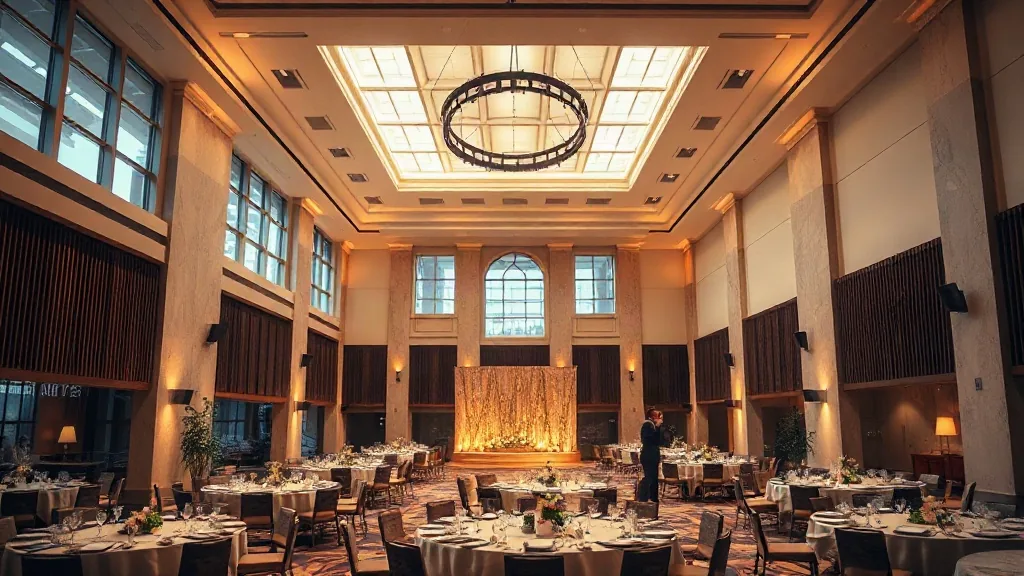
Most zero-waste catering asks die in the banquet office because they cost the venue money or labor it will not give. Here is what a venue will actually say yes to, what it costs, and the language to put in the contract so it happens.
 Guide
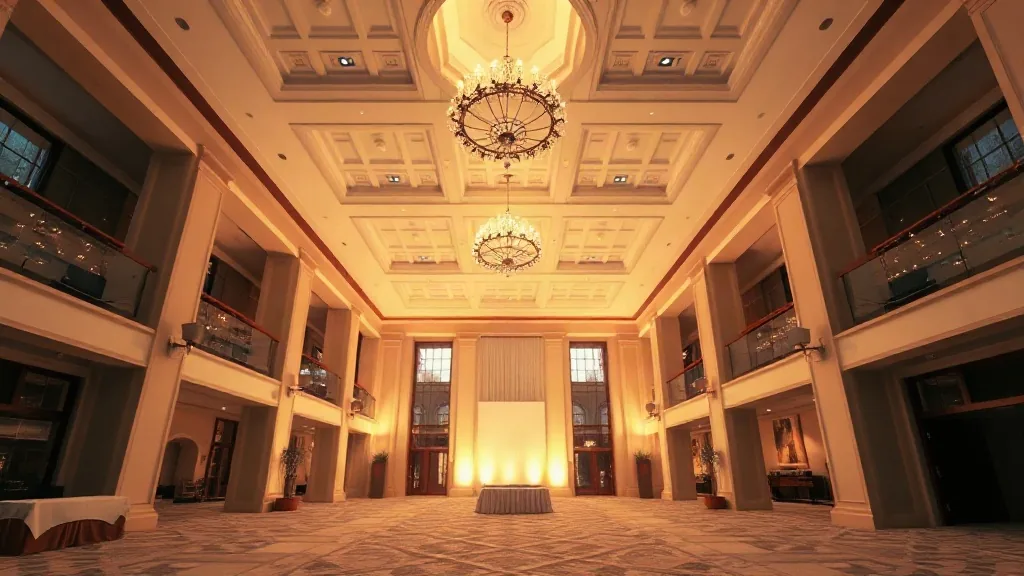
Action stations look generous and feel fun, but they can strand 300 hungry guests in line while a plated service would have fed them in half the time. Here is the throughput math that tells you which one your room and your schedule can actually support.
 Guide
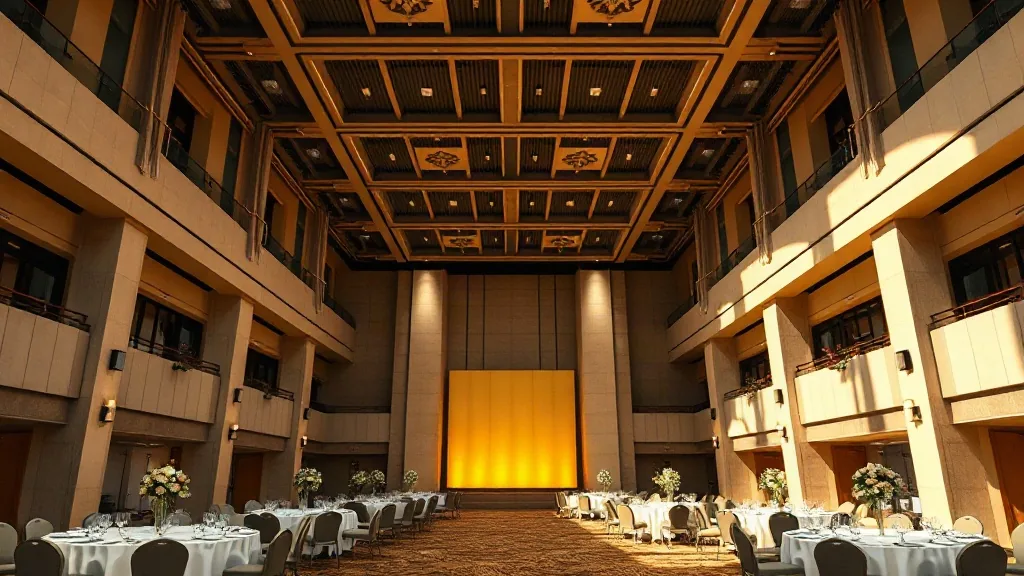
An ERG summit lives or dies on whether people feel the room was built for them. That's a booking decision as much as a program one. Here's how I choose spaces, break the plenary into rooms that hold, and cater for a group with the widest range of needs I plan all year.
 Guide
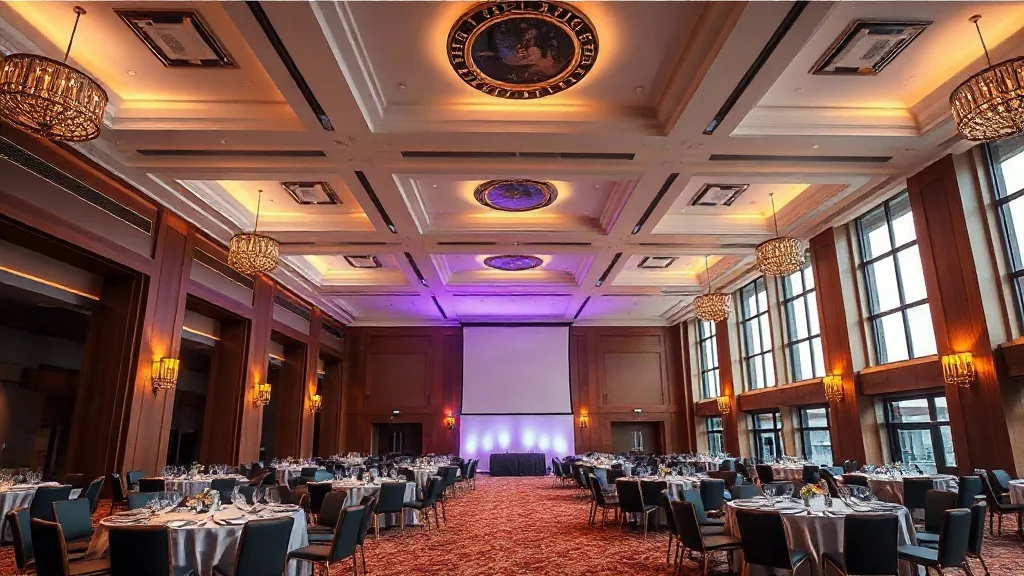
A twelve-person CAB dinner lives or dies on whether everyone can hear the person across the table. The room, the table shape, and the acoustics matter more than the menu. Here is how I set a dinner where the conversation is the deliverable.
 Guide
The soda gun and a lonely pitcher of iced tea tell a third of your guests they were not planned for. Here is how to build a non-alcoholic program with real cost math, so the sober guest gets a drink as good as the open bar.
 Guide
Eight hundred franchise owners hit a buffet at the same minute and the line stalls at the carving station. Feeding a convention this size is a throughput problem, not a menu problem. Here is how I move 800 people through lunch in 45 minutes.
 Guide
A $9-per-head late-night snack does more for the mood of a multi-day event than a $180 dinner. Here is what to serve, when to time it, and how to negotiate it onto the contract without blowing the F&B minimum.
 Guide
Nobody optimizes breakfast, so it is where the easiest savings and the biggest perceived-value wins hide. Here is the per-head math on continental vs plated vs grab-and-go, and how I use breakfast to fund the rest of the day.
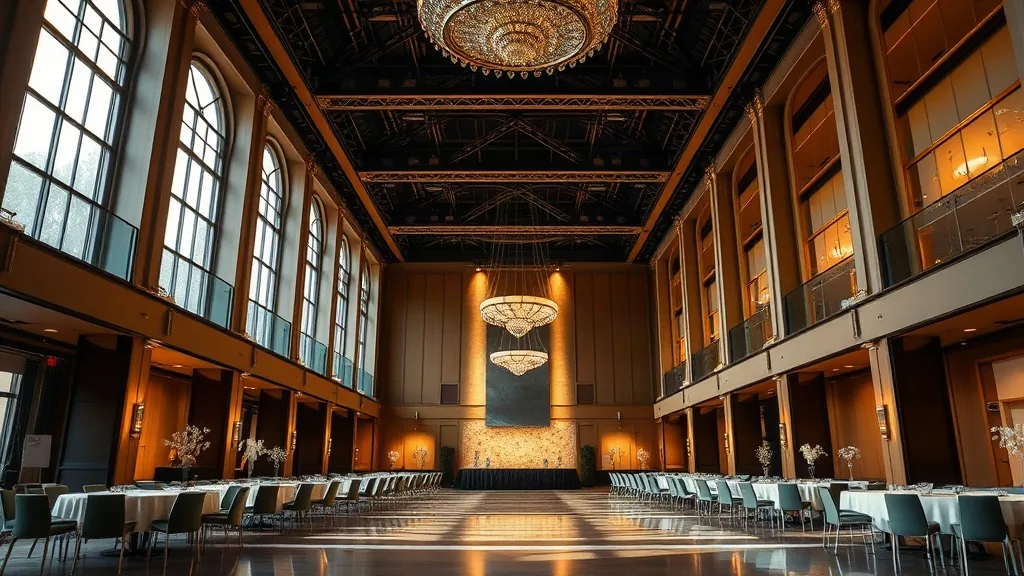 Guide
Corkage, cake-cutting, plating, and chef-attendant fees can add thousands to a banquet bill that looked finished. Here is every hidden per-item charge I hunt for before signing, and what each one should actually cost.
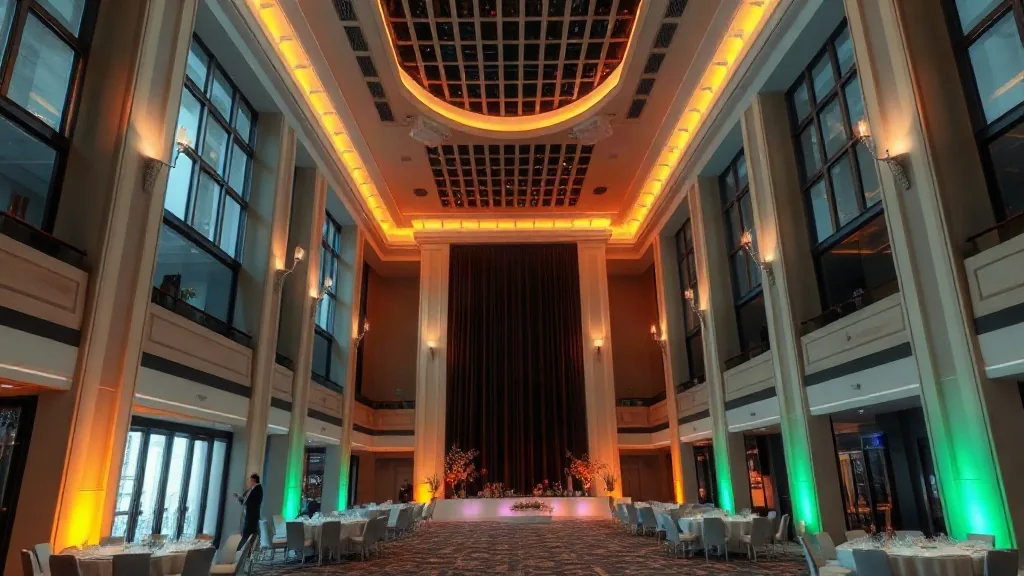 Story
The room was perfect. Then I asked to see the kitchen and found a single 40-amp circuit and no ventilation for a 250-person plated hot dinner. Here is exactly what I check back-of-house before I let a client fall in love with the front.
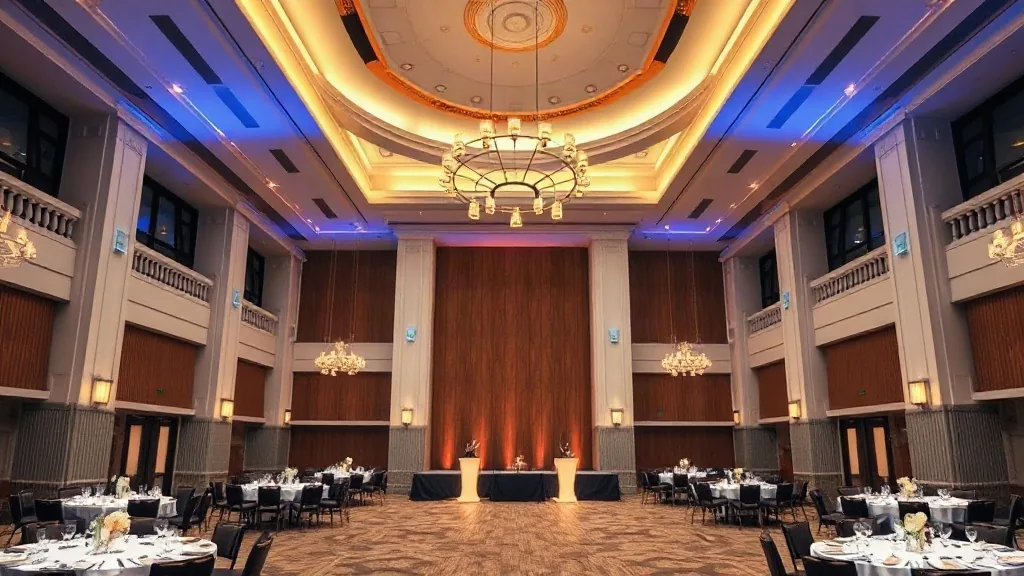 Guide
A fintech launch party has a second guest list you can't see: compliance. Gifts, giveaways, recorded claims, and who pays the bar tab all get reviewed. Here is how I plan the night so legal signs off the first time.
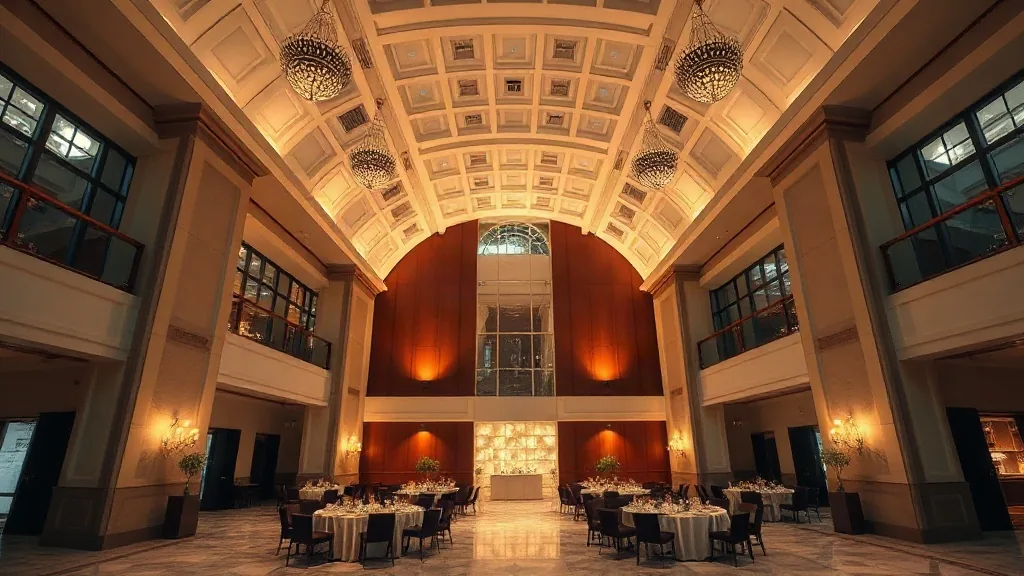 Guide
The 24 percent line on your banquet bill is not a tip, and in most states none of it is legally required to reach the servers. Here is what each fee is, where the money goes, and the questions that stop a five-figure surprise.
 Guide
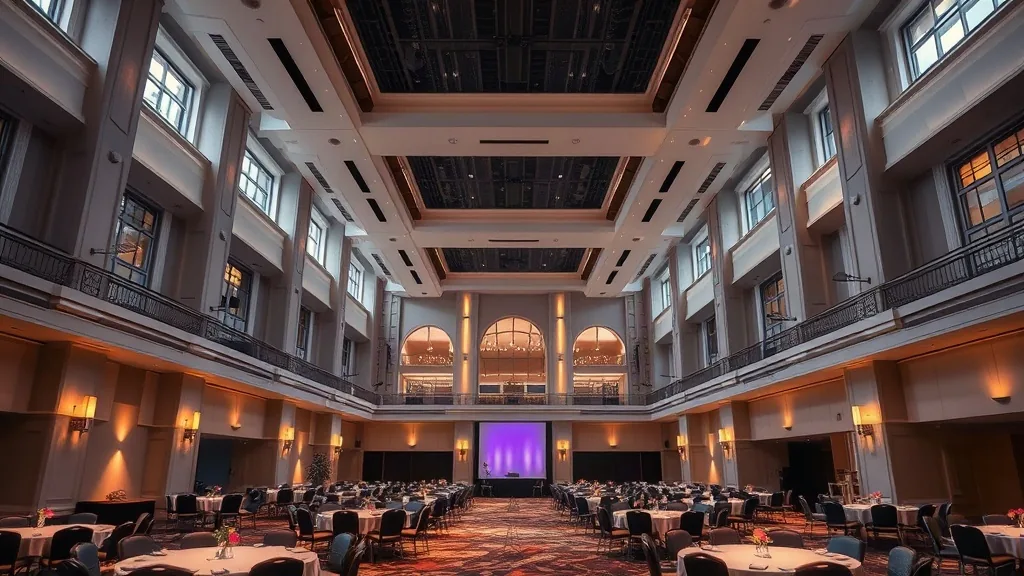
A full dinner for 250 can run $30,000 before the bar. A late-evening dessert-and-coffee reception delivers the same networking and prestige for a fraction of it. Here is when the format works, the per-head math, and the mistakes that ruin it.
 Guide
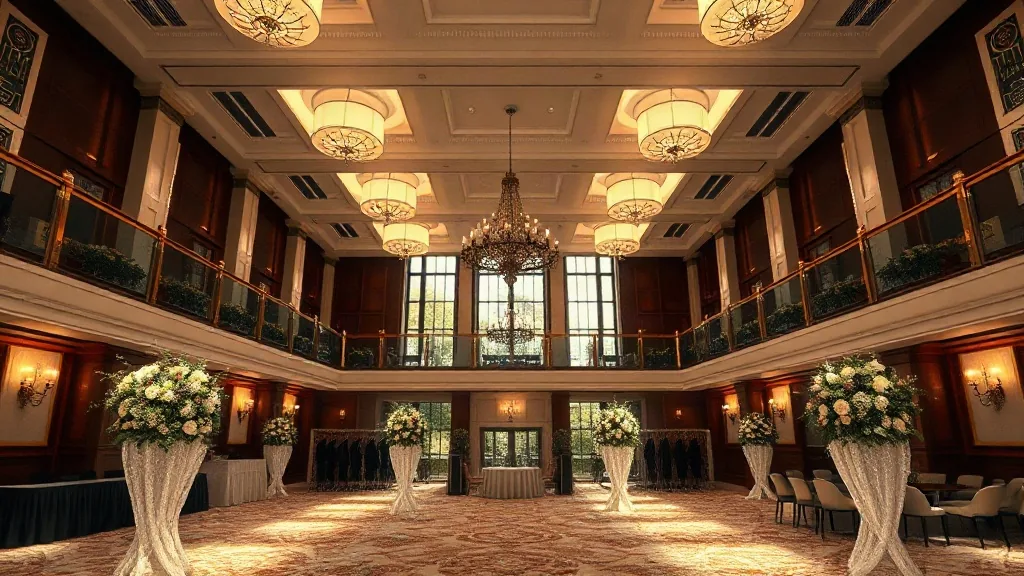
Someone junior usually gets handed the partner retreat and no rulebook. Here are the unwritten rules a law-firm retreat runs on, from hierarchy in the room to the private-dinner clause that decides whether it works.
 Guide
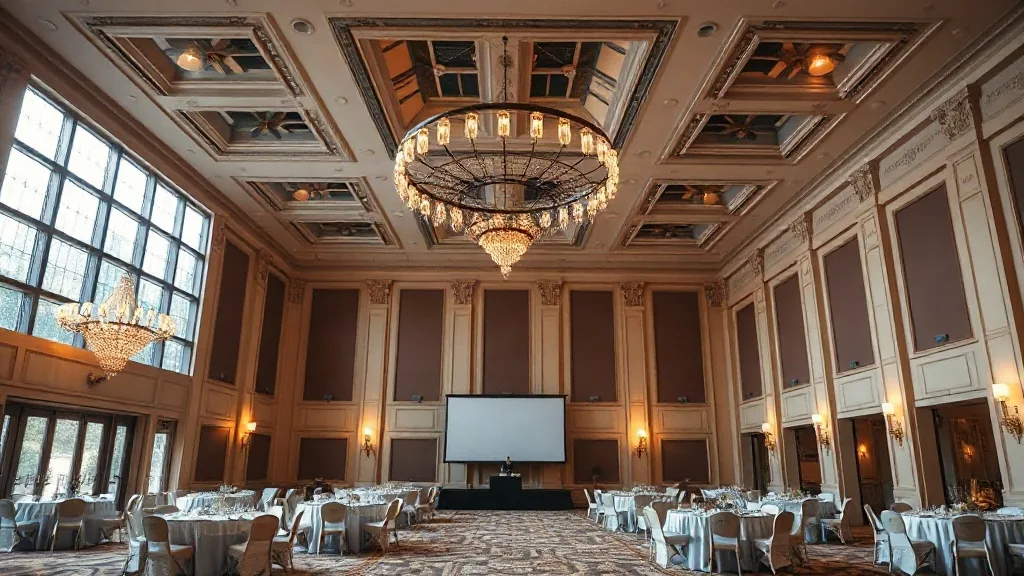
A finance team doesn't need a lakeside firepit. It needs one quiet room, reliable power under the table, and a lunch that doesn't cost the afternoon to a food coma. Here's how I book offsites for teams that came to close the model, not to do trust falls.
 Story
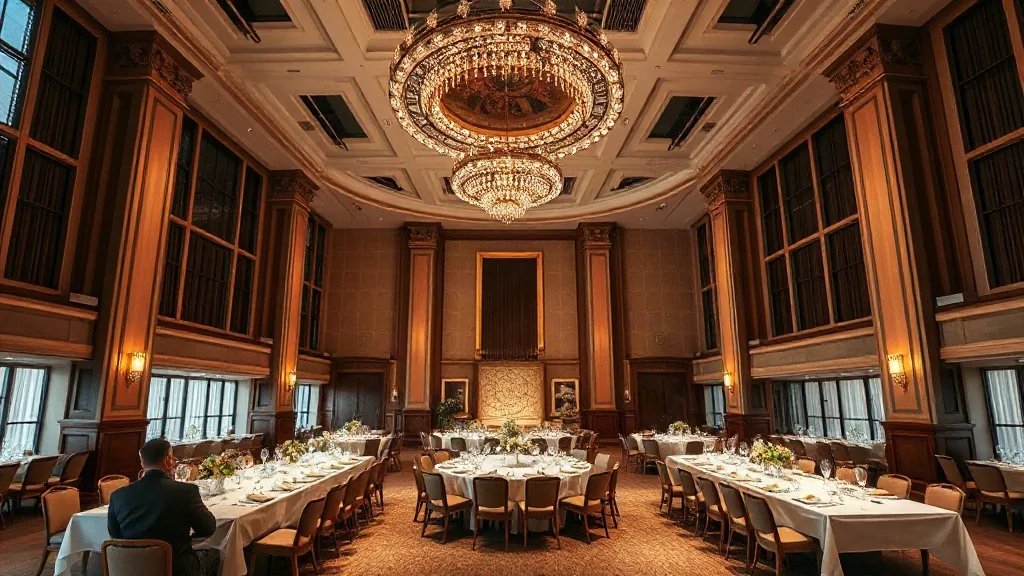
After a decade defaulting to hotel ballrooms for corporate dinners and all-hands, I switched to lofts, restaurants, and independent venues. Attendance held, budgets dropped, and the feedback changed. Here is what I gave up and what I gained.
 Guide
For 300 people you will have real allergies, and the venue's default plan is a sad plate improvised at the last minute. Here is the accommodation system I put in the contract so nobody at your event gets a shrug from the kitchen.
 Guide
Planners cut the buffet and never look at the coffee line. On a two-day conference the breaks can outrun lunch on a per-head basis. Here is where the money goes and how I trim a break budget without a caffeine revolt.
 Guide
A PE summit gets scrutinized line by line by people who read balance sheets for a living. Here is how I build a venue budget that survives that review, and where the money should and should not go.
 Guide
A wellness offsite doesn't have to mean sound baths and forced vulnerability circles. I book them for skeptical tech teams and money people, and the version that works is boring on paper: good sleep, real food, one movement block, and an agenda with air in it.
 Guide
The bar is where event budgets quietly break. This is the math behind consumption bars, per-person open bars, and drink tickets, with the break-even headcounts that tell you which one your event should actually run.
 Guide
The quoted room rate is maybe a third of what you actually spend per person on a two-day offsite. Here is the full stack, built from a real 60-person budget, so you can price your own before finance asks.
 Guide
The four-cover tasting is a different cooking problem than a plated dinner for 180, and the gap between them is where most catering disappointment lives. Here is the brief that forces the kitchen to cook the event, not the sample.
 Guide
Buffet looks cheaper on the proposal and often costs more once you count the labor, the second protein, and the 40 minutes of program you lose. Here is the line-by-line math I run for a 200-person dinner before I recommend either one.
 Story
Four hours before a 180-person seated dinner at a Tampa conference venue, the catering manager flagged a dietary error in my BEO that I had signed off on six weeks earlier. The error would have sent three attendees to urgent care. This is exactly what she caught, why I almost talked her out of fixing it, and the protocol change that came out of it.
 Guide
A catering proposal that shows $75 per head for a plated dinner might deliver $95 per head when you read the full document. Service charges, bartender overtime, equipment rental, and cake-cutting fees all live below the headline per-head number. Here are the eight line items to extract and compare across proposals before you decide which caterer gets the contract.
 Guide
Most venue contracts give you a preferred caterer list and leave a small door open for outside vendors. That door has conditions: a kitchen approval, a certificate of insurance naming the venue, and sometimes a buyout fee. Here is how to get an outside caterer approved without antagonizing the venue or voiding your contract.
 Guide
Venue packages bundle room, F&B, AV, and linen at a per-person price. Most items are not as fixed as the proposal makes them look. Here is what is genuinely bundled and what can be broken out or swapped.
 Guide
On-consumption bar service charges per drink poured rather than per person. For short events or light-drinking groups, it saves money. For 3-hour open receptions, it usually costs more. Here is the break-even math.
 Guide
A sliding-scale minimum adjusts the F&B floor based on headcount, day of week, or season. Most venues don't advertise them. Here is the structure and how to negotiate the thresholds in your favor.
 Guide
Corkage is the per-bottle fee a venue charges when you bring outside wine or spirits into their space. Rates run $15 to $60 per bottle. Here is when it's worth paying and when to negotiate a waiver.
 Guide
The ++ symbol in a venue quote means the per-head price excludes service charge and tax. A $95 per-head dinner can become $128 per head once both are applied. Here is the exact math.
 Guide
An F&B minimum is a revenue floor the venue must hit, not a cap on your spending. Service charges and tax do not count toward it. Here is how the math actually works.
 Guide
A Banquet Event Order controls everything that happens on event day, from setup times to menu quantities to who signs off on changes. Here is what each section actually means.
 Guide
Vague catering briefs produce quotes ranging from $40 to $100 per head for the same event. The gap is not price discrimination; it's different assumptions about service style, staffing model, and kitchen access. Six specific fields collapse that range to under $15 per head. Here is the document and how to fill it out.
 Guide
Email chains and registration forms both break above 100 attendees. The fix is a three-field collection method your caterer can actually act on. Here is the intake system, the communication template, and the day-of tracking sheet that keeps 200 meals from turning into a liability.