
 Logistics
Load-in: the hour that decides whether the day works
A tight load-in protects your timeline, your crew, and your margins, so the rest of the day runs on your terms.
Load-in, power, rooming lists, transport, and the parts of an event nobody sees.
16 posts
Logistics A tight load-in protects your timeline, your crew, and your margins, so the rest of the day runs on your terms.
 Guide
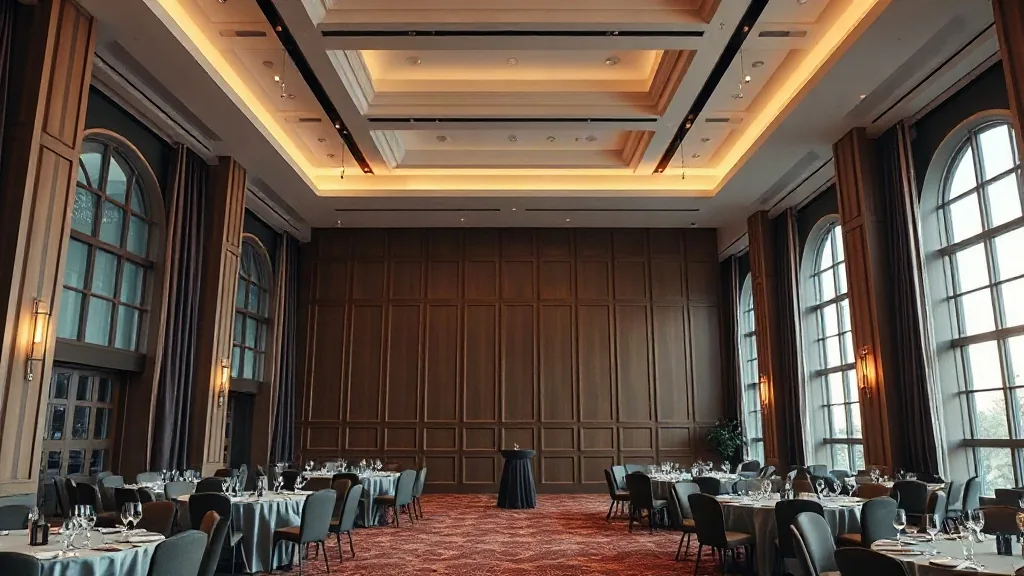
The registration line is where 300 people meet a bottleneck in the first ten minutes. Where you put the desk, how you split the alphabet, and how far it sits from the door decide whether check-in flows or clogs.
 Guide
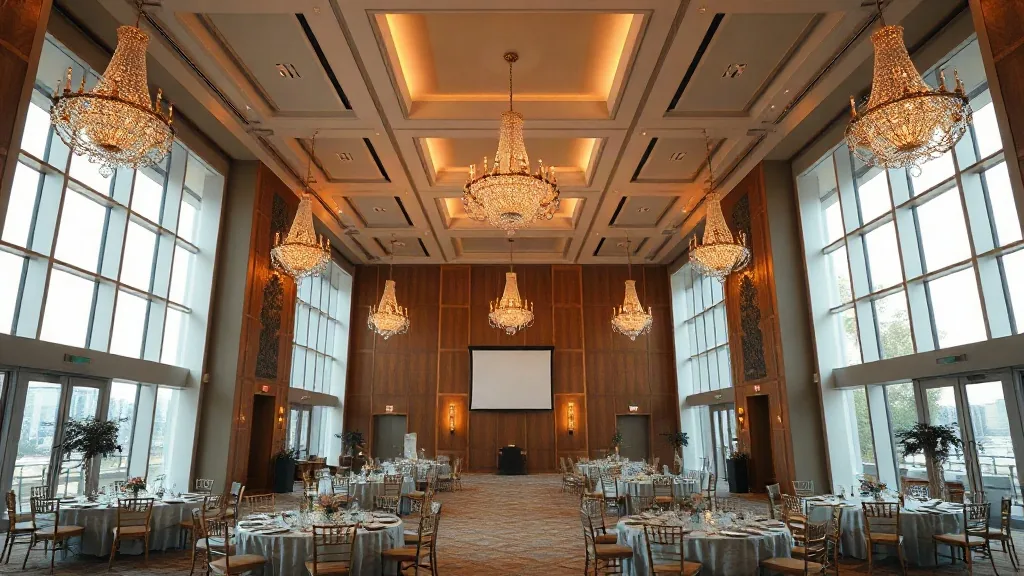
Too few breakout rooms and your tracks overflow; too many and you pay for empty space. Here is the arithmetic I use to size breakouts against attendance, track count, and the honest reality of how people self-select.
 Guide
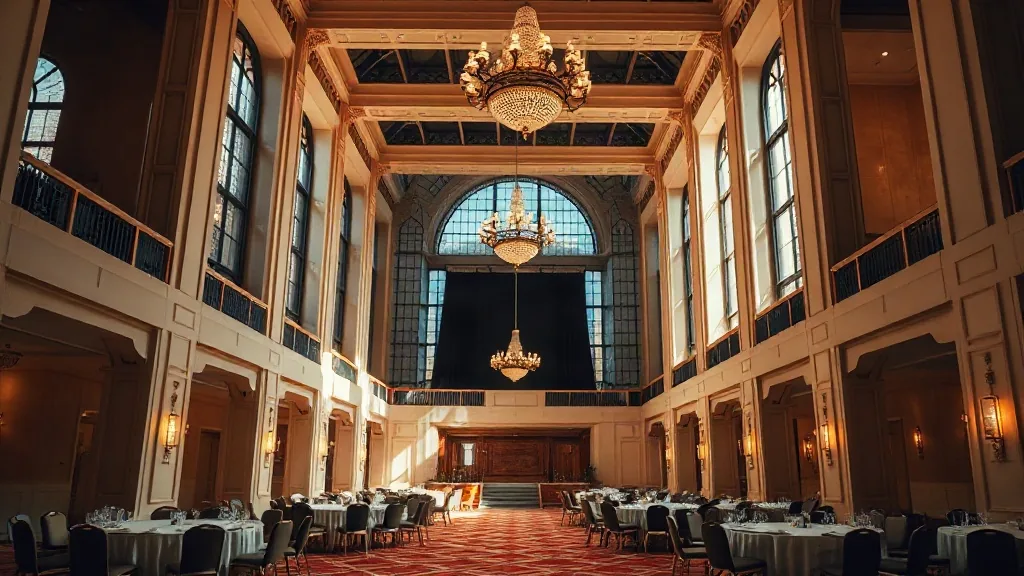
A speaker who cannot test their deck or find a quiet room before going on stage is a speaker about to have a bad time. Here is which back-of-house rooms to ask for, what they should contain, and what they cost.
 Guide
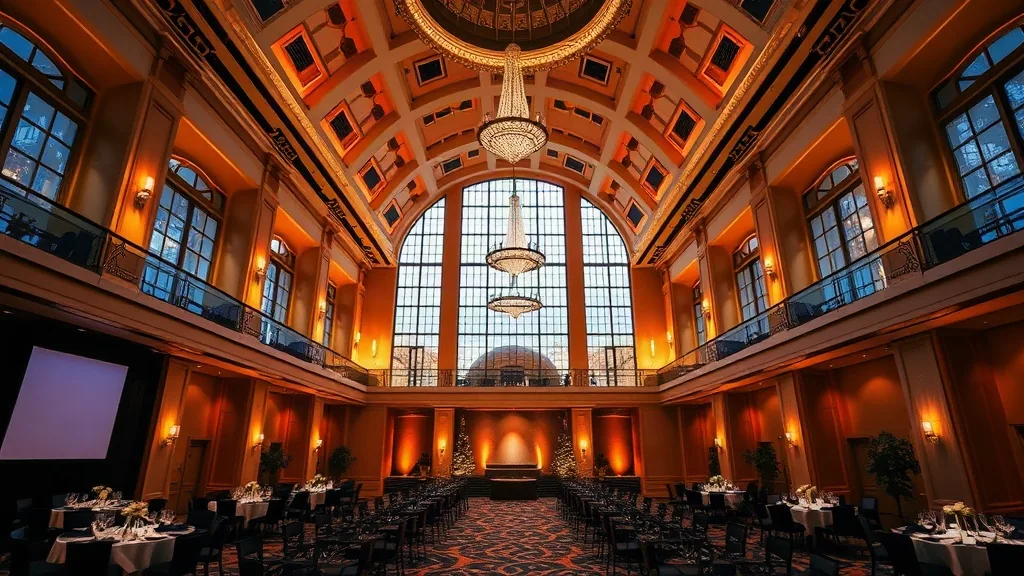
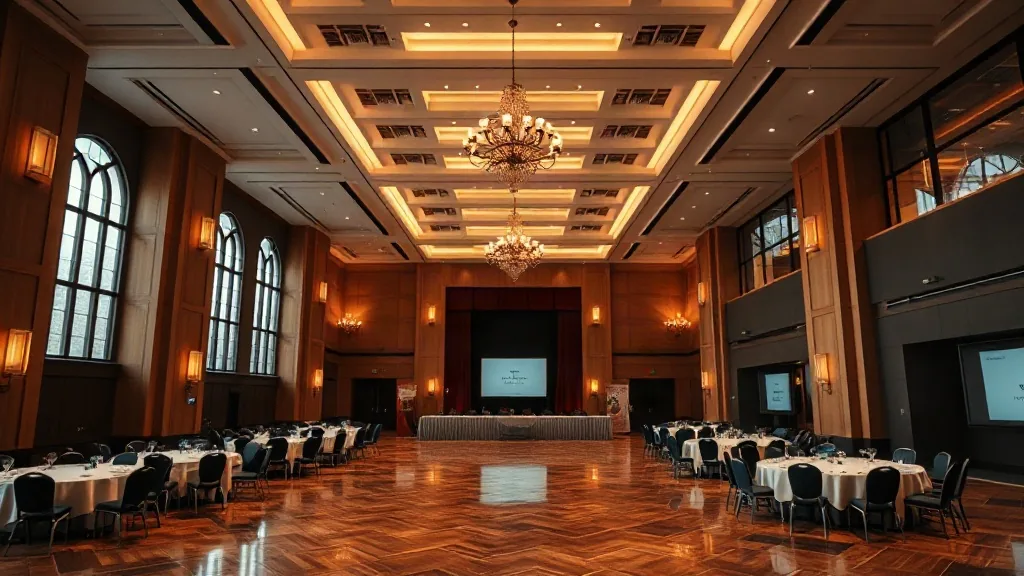
The seating style you pick decides how many people fit, how they interact, and whether the room reads full or empty. Here is how I match theater, classroom, crescent rounds, and pods to the actual job of the session.
 Guide
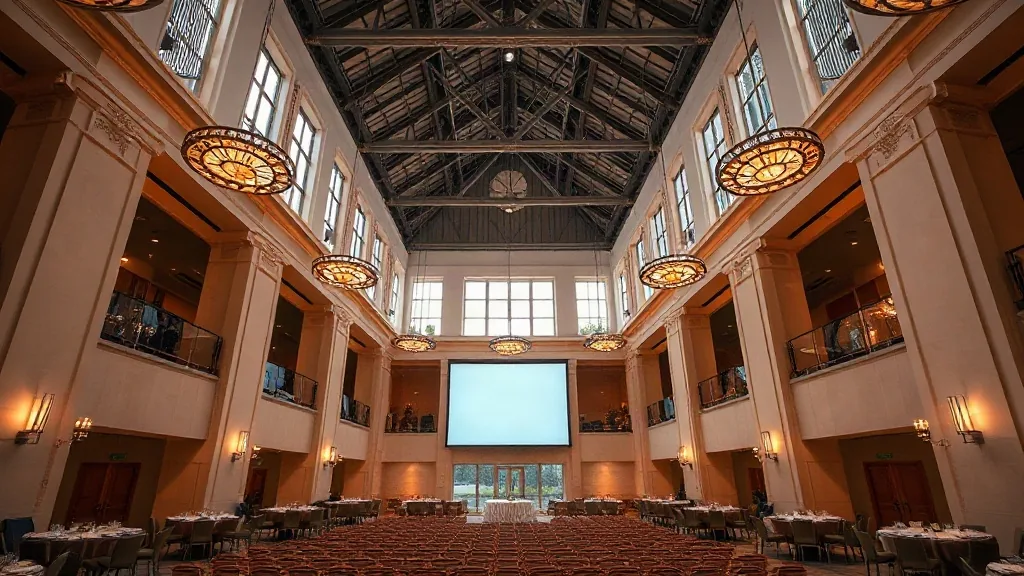
When 900 attendees sleep across four hotels and convene at one center, the shuttle plan is the difference between a full room at 9am and a trickle. Here is how I build the loop, size the fleet, and keep the 8:45 crush from breaking the schedule.
 Guide
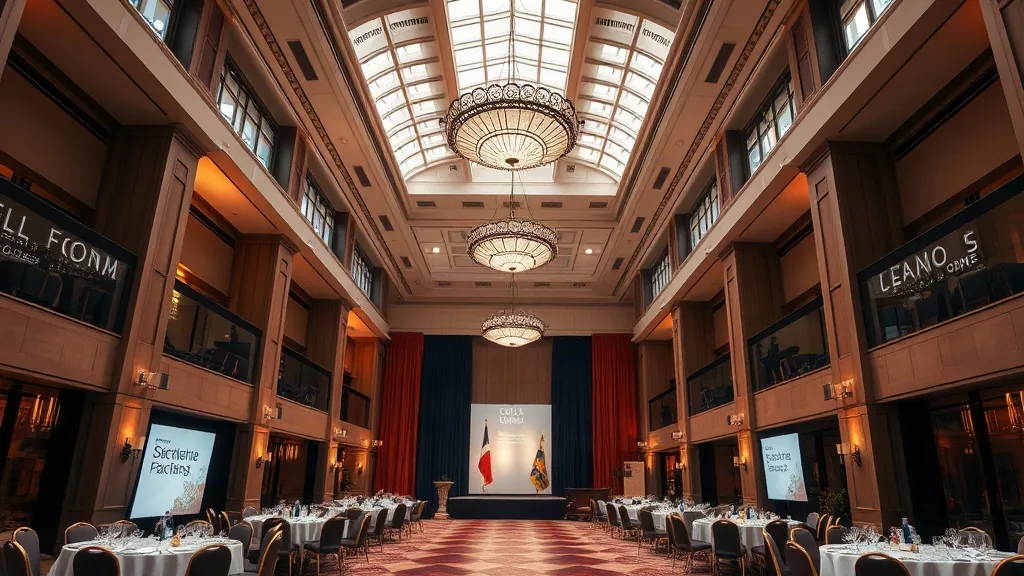
A DMC adds 15 to 20 percent to your ground costs, and on the wrong event that's pure markup. On the right one it's the cheapest insurance you'll buy. Here is how to tell which event you have before you sign the management agreement.
 Guide
The first ten minutes of your event happen in a parking garage or a rideshare queue, not the ballroom. Here is how I budget valet, stage a drop-off lane, and keep 300 people from stacking up at one door.
 Guide
A production manager coordinates the vendors at a corporate event so the planner doesn't have to. They cost $1,500 to $3,500 for a single-day event. At that price point, many mid-size corporate events skip the role and leave the planner holding every vendor relationship simultaneously. Here is the coordination layer that replaces a production manager: the shared contact sheet, the load-in timeline, and the escalation protocol.
 Guide
Moving 80 people from a hotel to a dinner venue sounds simple until you're standing in a hotel lobby at 7pm watching the first bus pull away and realizing you have 35 people still waiting. Transportation is the most frequently underscoped element of a corporate event. Here is the math on charter buses, shuttle relays, and Uber Business accounts, and when each one makes sense.
 Guide
Registration bottlenecks are the most predictable and avoidable failure in corporate events. The math is simple: most guests arrive in a 20-to-25-minute window, and one underprepared table produces 15-minute waits for the last arrivals. Here is the table geometry, staff ratio, badge sorting system, and check-in process that handles 40 or more arrivals per 5-minute window without a queue.
 Guide
A structured pre-event vendor call covers run-of-show review, load-in sequence, escalation contacts, and failure protocols in 30 minutes. Most planners skip it and spend three to five hours on event day solving problems that the call would have prevented. The agenda and the script are repeatable across every event type.
 Guide
Most run-of-show documents are too dense, too narrative, or structured for the planner who built them rather than for the AV lead and catering manager who need to work from it in real time. A four-column format with time, owner, action, and contingency produces a document that every vendor category can follow without interpretation.
 Guide
Valet at $25 per car for 200 cars costs $5,000. A shuttle contract from an offsite lot runs $2,000 to $3,000 for the same volume. But the math only holds if the lot is within 10 minutes and the shuttle frequency is right. Here is the cost comparison and the negotiation triggers by city tier and venue type.
 Guide
Most site visits run two to three hours because the venue controls the agenda. A 14-item checklist that covers AV, HVAC, load-in, restrooms, and COI gets you the information you actually need in 90 minutes and eliminates the time spent on the champagne toast simulation and the tour of the bridal suite.
 Guide
Most planners underestimate how load-in conflicts between AV, catering, and floral compress setup time and degrade the final product. A specific time-block template that sequences vendor access for a 9am event start prevents the pile-up at the loading dock and gets you into the room ready to open on time.