
 Process
How to brief a venue so the quote comes back comparable
Sending every venue the same written brief gets you quotes you can actually compare line by line, so you pick on price instead of guesswork.
Every post in the planner notebook tagged process.
49 posts
Process Sending every venue the same written brief gets you quotes you can actually compare line by line, so you pick on price instead of guesswork.
 Process
Reading a banquet event order like a sceptic protects your budget by catching costly mismatches before they reach the invoice.
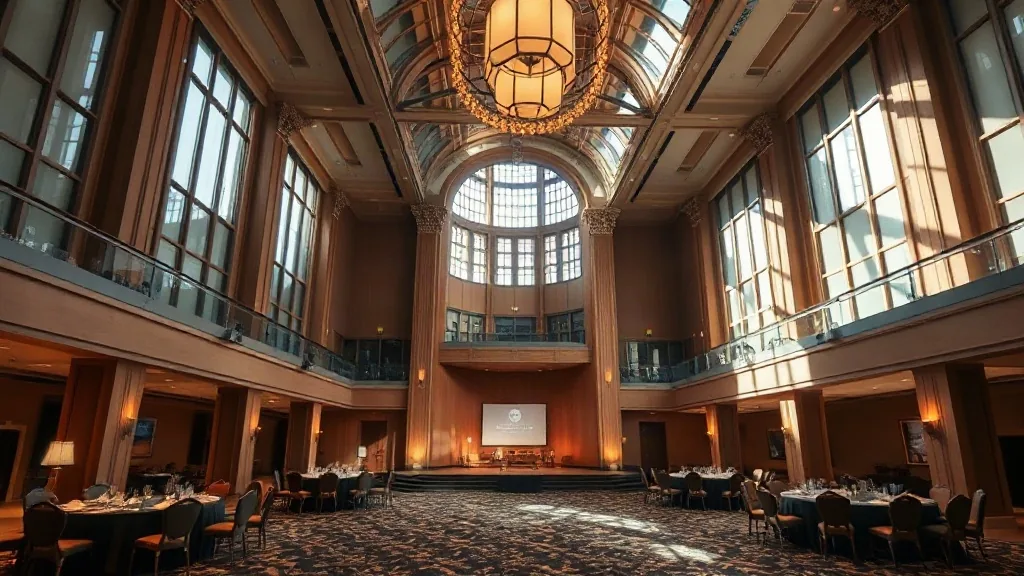 Story
The floor plan looked clean. What it did not show was that the policy roundtable sat one folding partition away from a 500-person general session with a live band. Here is what went wrong, what I did at 9:50am, and the site-visit habit I never skip now.
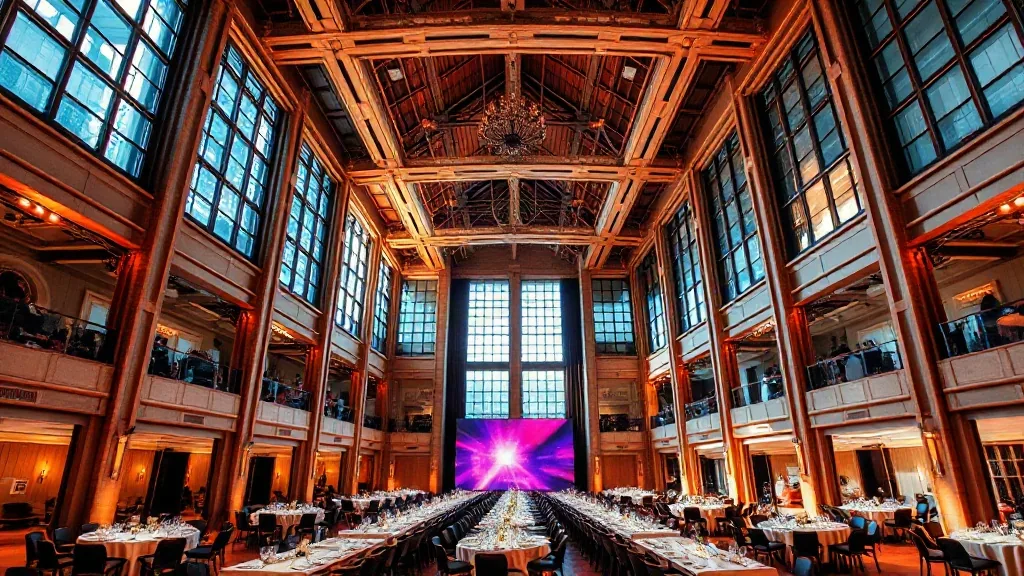 Guide
Three hundred guests in December arrive within a 20-minute window, each holding a coat, and a two-person coat check turns your entrance into a 15-minute line. Here is the throughput math, the rack count, and the staffing that keeps the door moving.
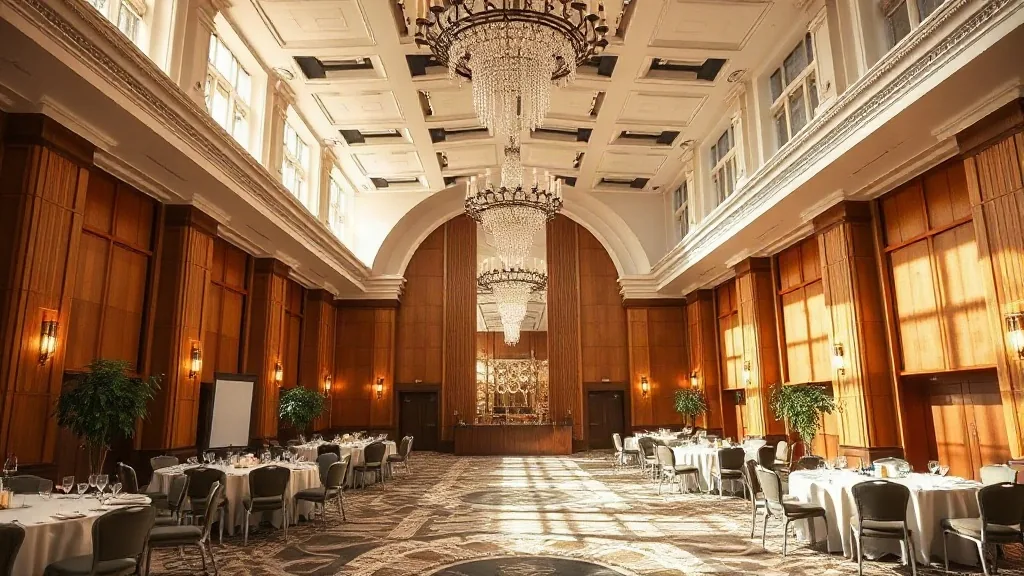 Guide
Sponsorship can offset a five-figure chunk of your event cost without turning the room into a trade show. The trick is selling access and moments, not logo placement. Here is how I structure tiers that recover cost and keep the event dignified.
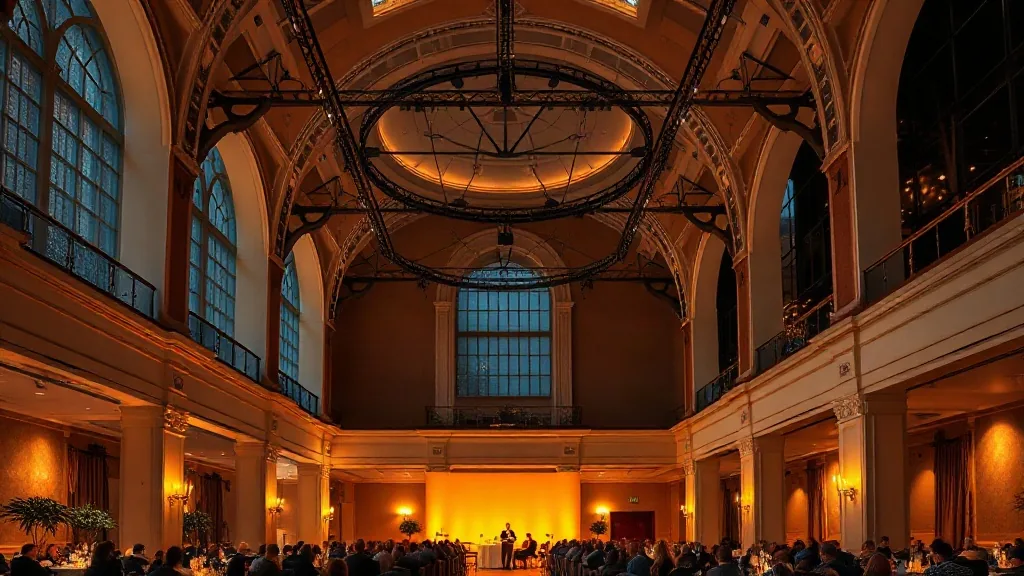 Story
The contract sets the money. The banquet event order sets what actually happens in the room, and it can quietly contradict the deal you signed. Here is why I read the BEO first now and the lines where the two documents fight.
 Guide
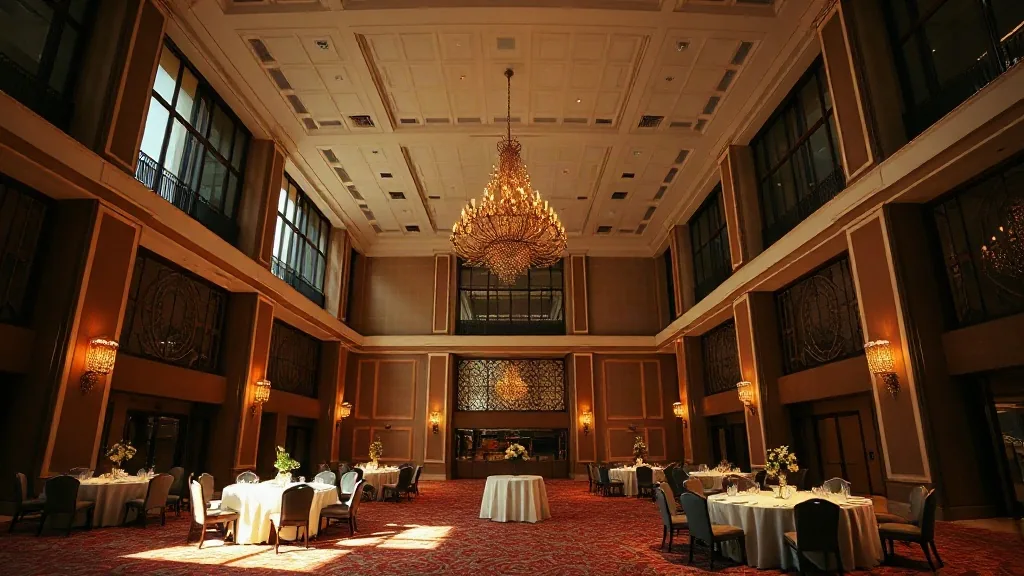
A packed ballroom heats up 8 to 10 degrees once 300 bodies and the lighting rig warm the air, and the thermostat you cannot reach is behind a locked panel. Here is how I plan temperature before doors open so it never becomes the survey line everyone remembers.
 Story
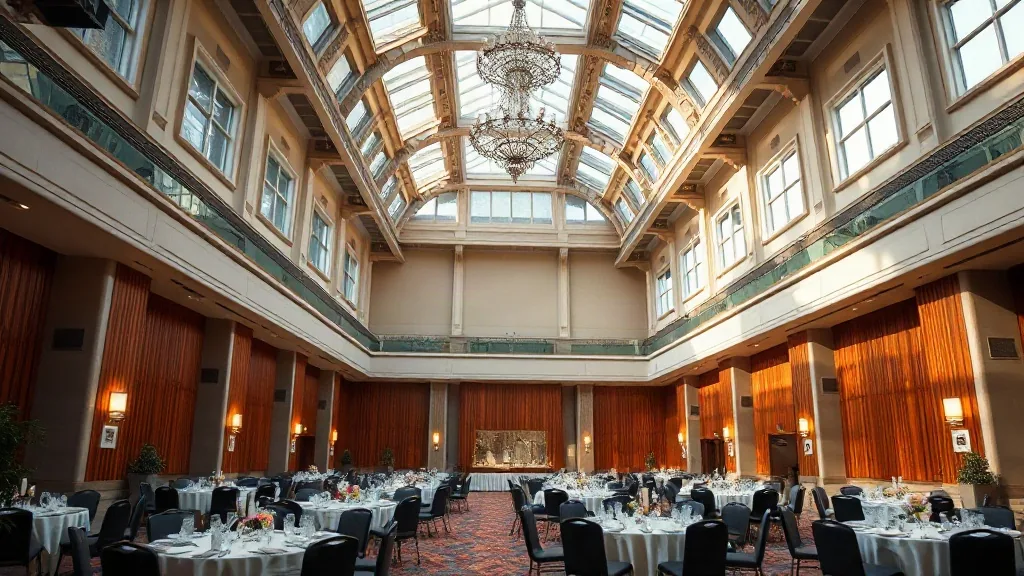
A 12-foot trade-show booth, a fifth-floor loft, and a freight elevator that topped out at 7 feet. The load-in stalled for three hours and the keynote started late. Here is the freight-access checklist I now run before I book anything above ground level.
 Guide
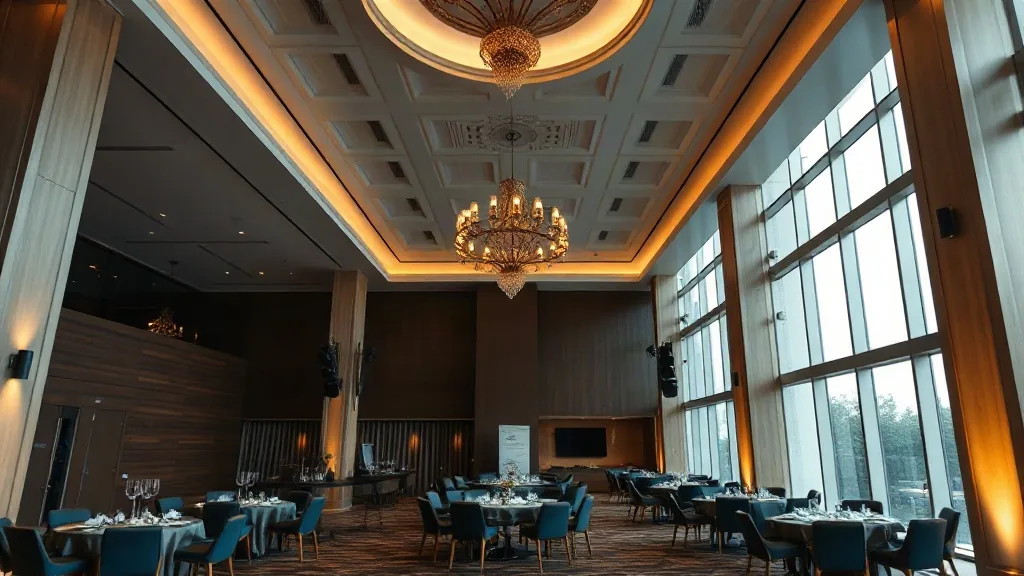
Your CFO is not asking whether the event was fun. She is asking what the pipeline, retention, or productivity return was against a hard cost. Here is the frame finance actually uses and the numbers to bring before she asks.
 Guide
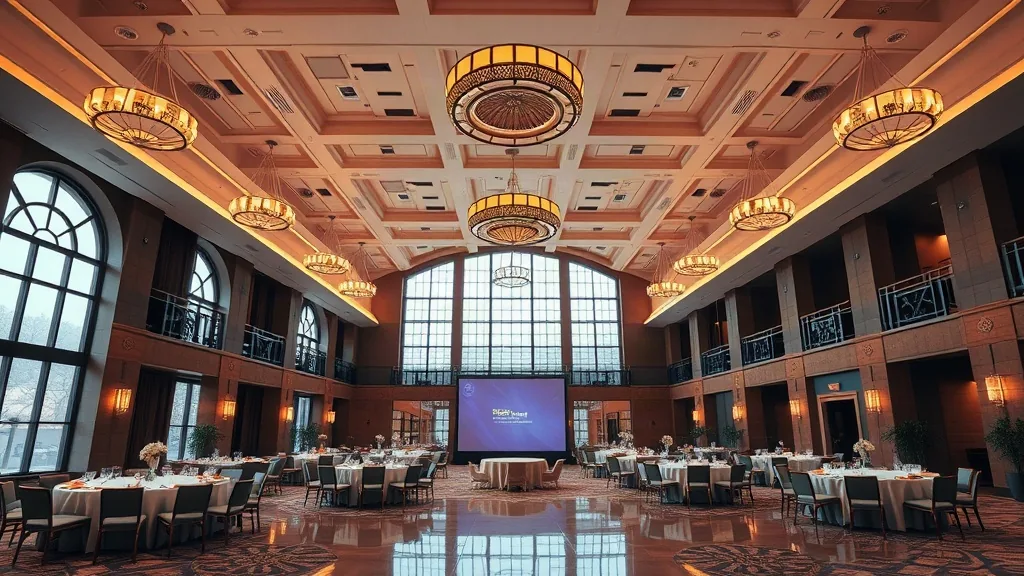
An airwall is not a real wall, and the drumming keynote next door will bleed straight into your quiet training session. Here is the clap test I run on every site visit and the room-assignment tricks that keep two sessions from stepping on each other.
 Guide
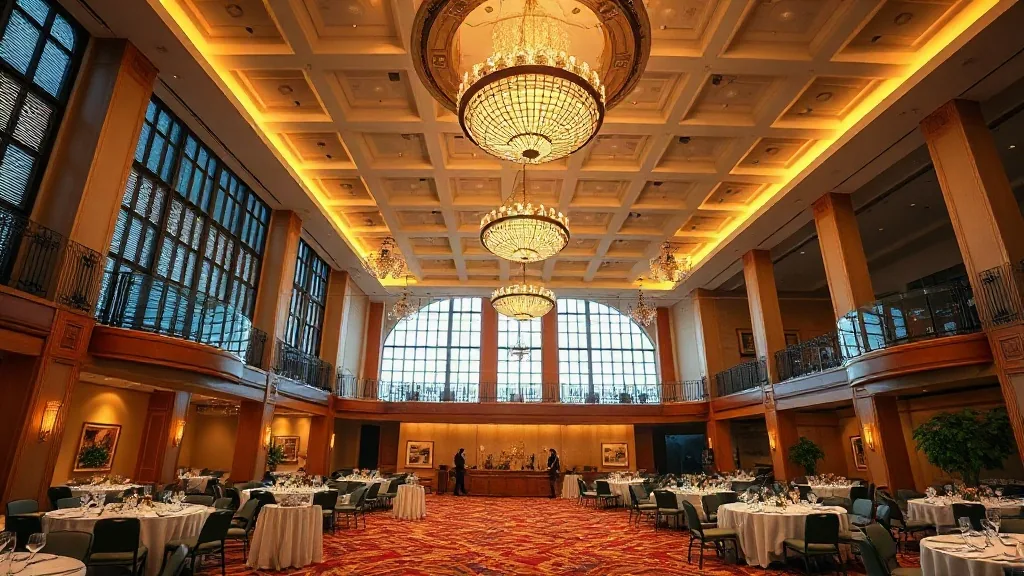
Most hybrid failures are not the software, they are a single point of failure nobody planned a backup for. Here is the streaming stack I build so the remote audience stays connected even when the venue wifi drops at the worst moment.
 Guide
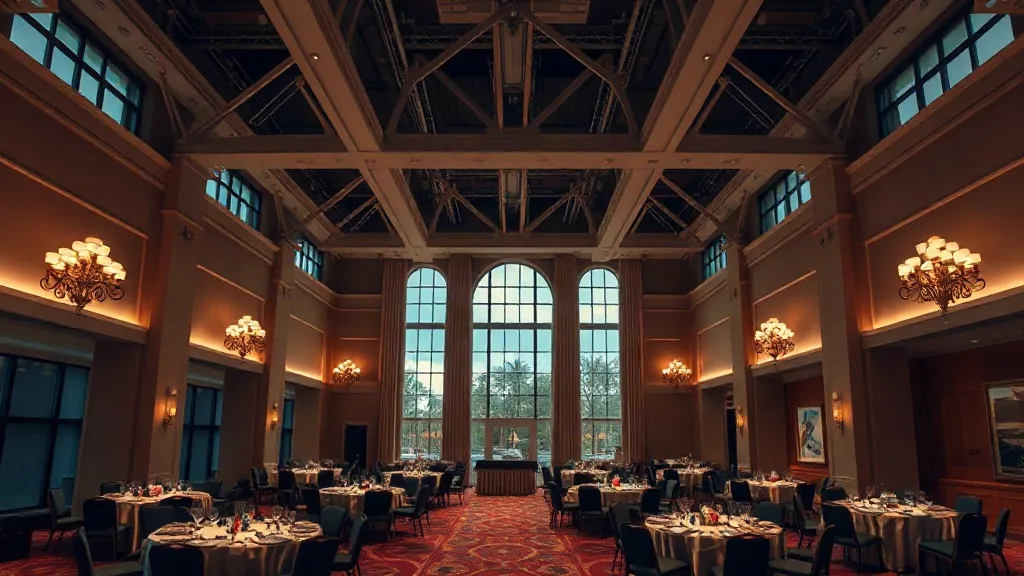
A ballroom photo never shows the two columns in the middle of the room or the 11-foot ceiling that cannot hang a screen. Here is how I read a floor plan for the sightline traps that seat 80 people behind a pillar and shrink your stage.
 Guide
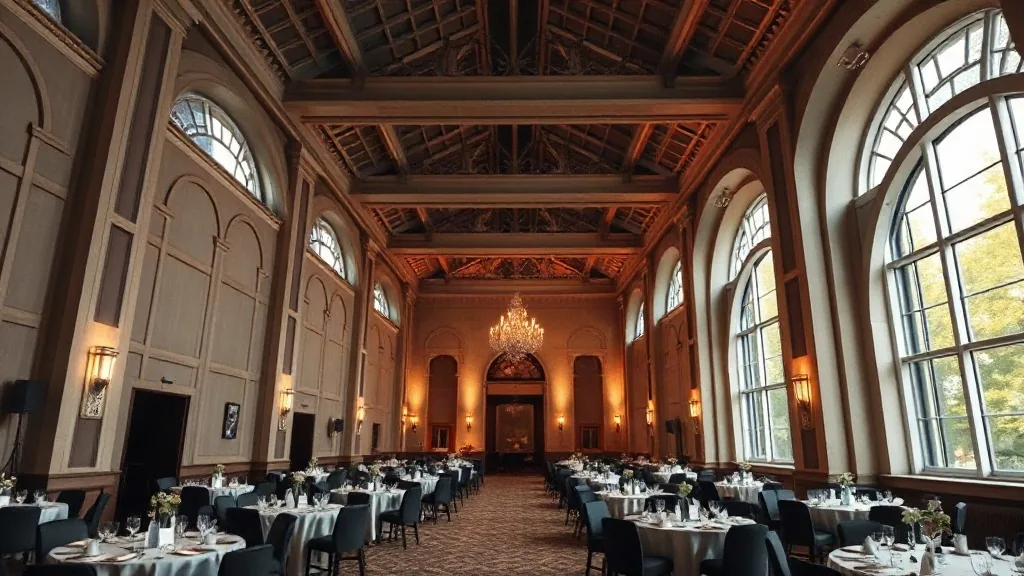
A confidence monitor shows the speaker their slides. A comfort monitor shows them the clock and the room. Most speakers get lost because the stage gives them one and not the other. Here is how I set up both so nobody freezes on stage.
 Guide
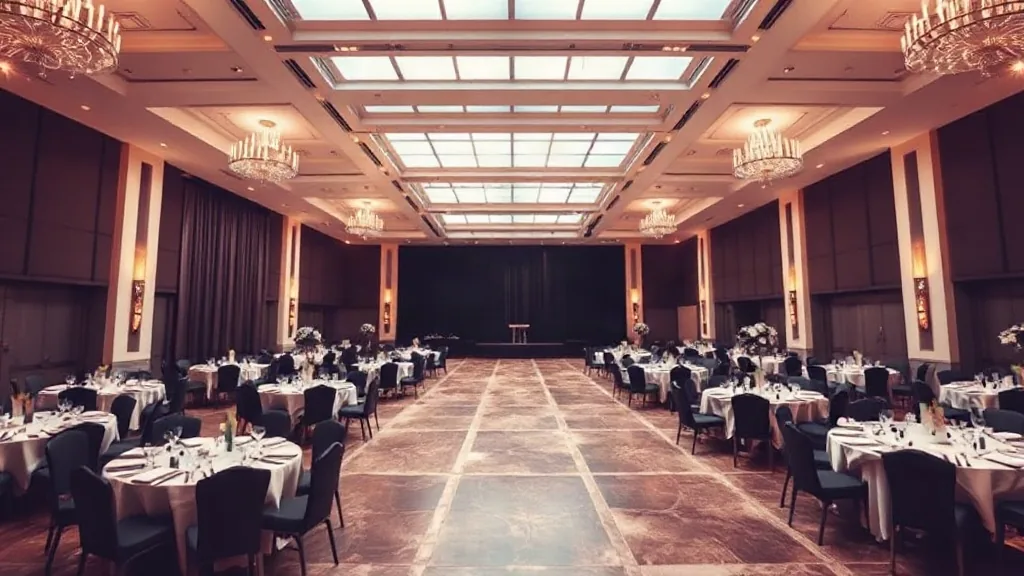
Before your AV vendor quotes a stage, they need to know what the ceiling holds and what fits through the door. Ask these venue questions during the site visit and you avoid the 6am load-in that discovers the truck cannot get in.
 Story
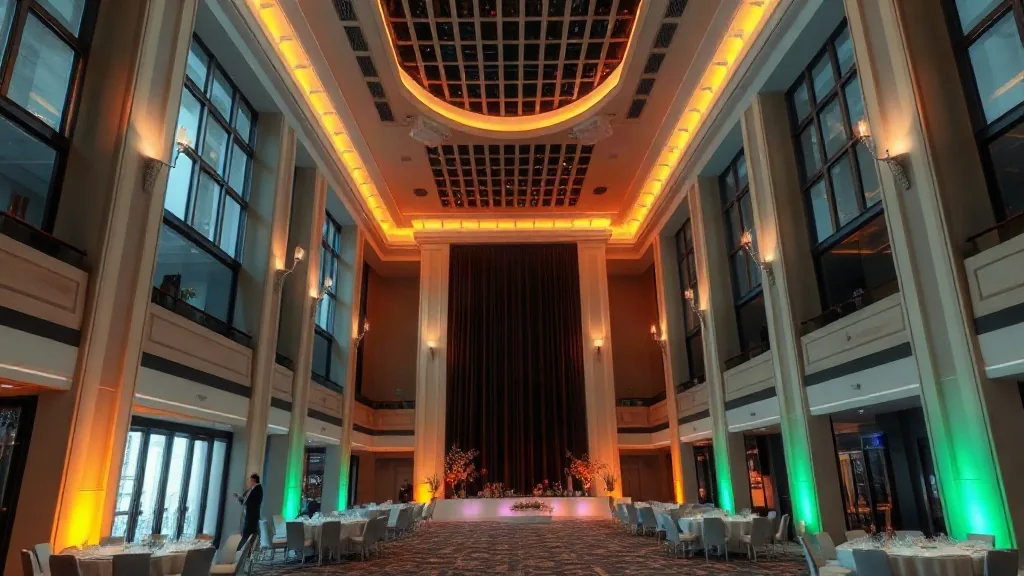
The room was perfect. Then I asked to see the kitchen and found a single 40-amp circuit and no ventilation for a 250-person plated hot dinner. Here is exactly what I check back-of-house before I let a client fall in love with the front.
 Guide
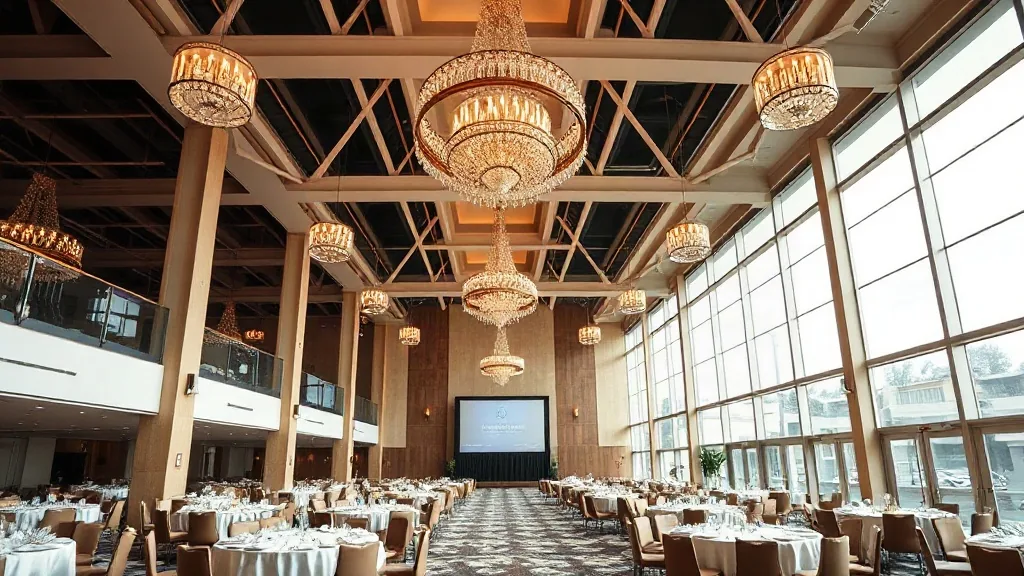
When four departments share one offsite, someone has to split the bill. Get the allocation method wrong and you spend three weeks in email fights. Here is the method I use to divide one invoice cleanly before the event even books.
 Guide
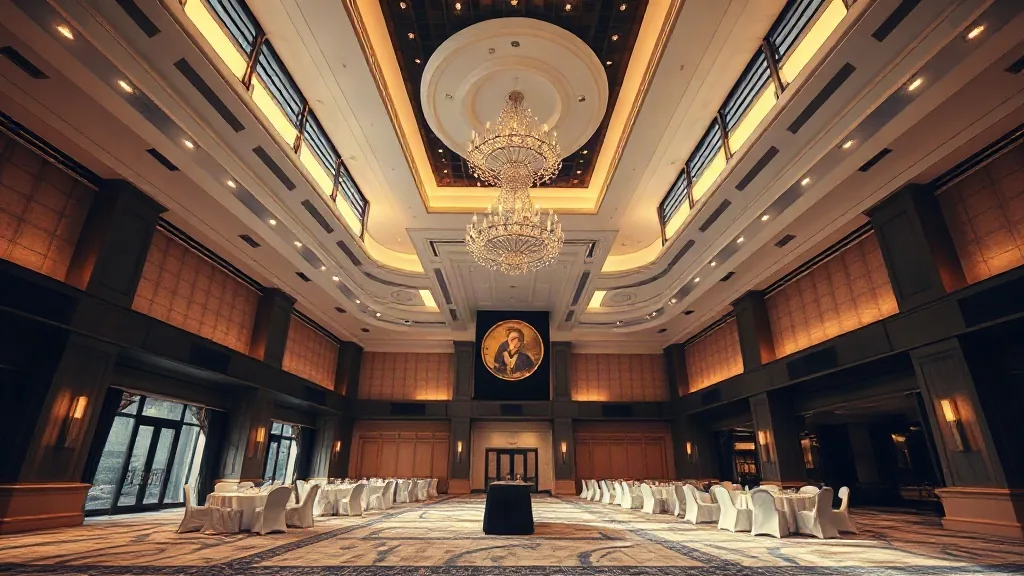
A general session with speaker swaps, video rolls, and cue changes needs someone calling the show. Skip that line and your AV crew improvises, transitions stall, and the room feels the drag. Here is what a show-caller does and what the role costs.
 Guide
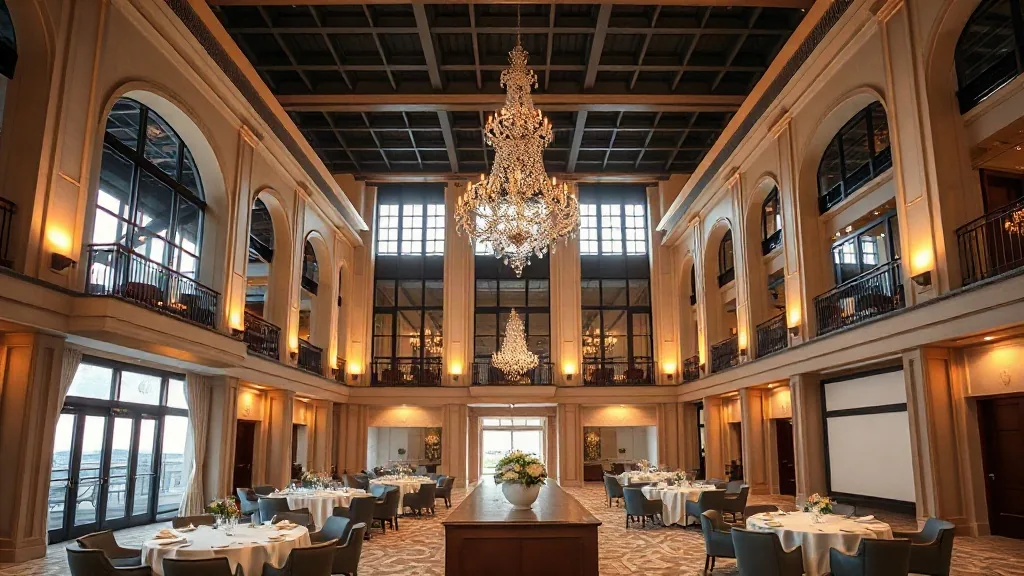
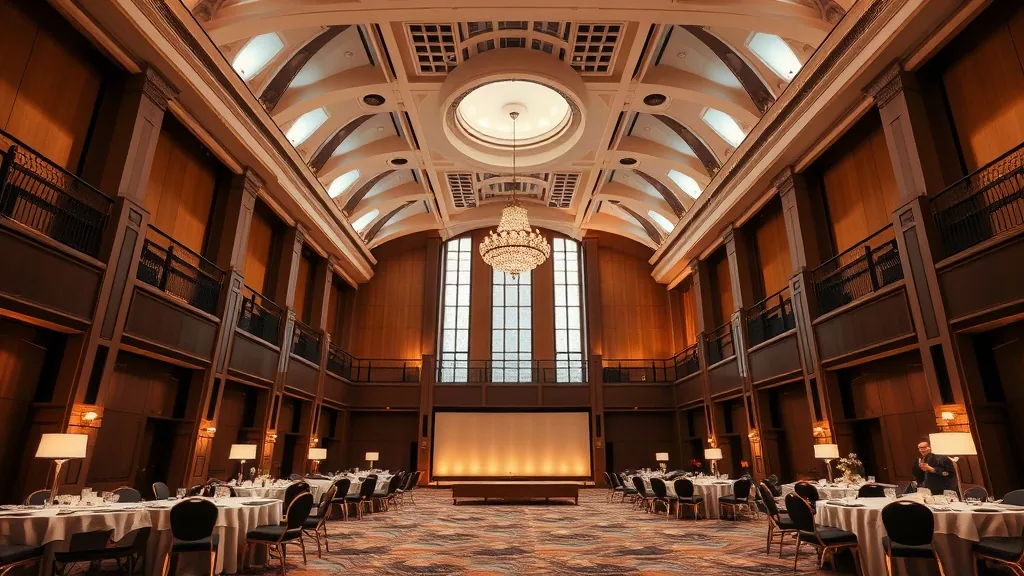
Historic buildings and industrial spaces rarely have the hallways or sightlines a conference needs. Here is how I route 400 attendees through a venue with no signage infrastructure without printing a fortune in foamcore.
 Guide
Most networking rooms fail because of furniture, not the guest list. Here is how I set the floor, the bars, and the food so 120 strangers actually talk instead of clumping by the wall.
 Guide
Planners routinely need to change headcount, catering style, or timing after a venue contract is signed. Some amendments are free and processed in 24 hours. Others trigger financial penalties. A few are genuinely off the table once the ink is dry. Here is the three-tier framework for assessing any post-signature change and the negotiation approach that softens the ones that cost money.
 Guide
Associations can get complimentary or deeply discounted venue space in exchange for branding exposure, attendee marketing, and a post-event case study. The exchange works because venues get trackable marketing value without a cash outlay. Here is the specific value-exchange framework, the ask structure, and the contract language that makes both sides comfortable with the arrangement.
 Guide
Executive budget approvals for events above $100,000 require a specific framing. Cost breakdowns alone fail because they don't speak to the financial and organizational logic that CFOs and senior leaders evaluate. A one-page format that combines ROI framing, risk disclosure, and a contingency line gets faster approvals and fewer revision cycles. Here is the format and the language that works.
 Guide
Registration bottlenecks are the most predictable and avoidable failure in corporate events. The math is simple: most guests arrive in a 20-to-25-minute window, and one underprepared table produces 15-minute waits for the last arrivals. Here is the table geometry, staff ratio, badge sorting system, and check-in process that handles 40 or more arrivals per 5-minute window without a queue.
 Guide
Most planners hold dates and then ghost. The venue moves the date to another client, and the relationship chills. But there is a communication cadence that keeps the hold active, signals genuine intent, and converts a hold into a contract without forcing the venue to chase you. Here is the exact protocol.
 Guide
Institutional knowledge about your events lives in your venue contact's head, not in the venue's CRM. When they leave, you lose pricing history, room preference notes, and the informal exceptions they granted you over three years. A 20-minute transition call preserves most of it. Here is the protocol and what to document before they're gone.
 Guide
Most post-event debriefs produce the same feedback loop: attendees liked the food, the room was nice, and the keynote ran long. None of that changes anything. A structured debrief format built around three specific questions produces actionable outputs instead of sentiment. Here is the format, the facilitation approach, and the document that captures decisions rather than opinions.
 Guide
Vague catering briefs produce quotes ranging from $40 to $100 per head for the same event. The gap is not price discrimination; it's different assumptions about service style, staffing model, and kitchen access. Six specific fields collapse that range to under $15 per head. Here is the document and how to fill it out.
 Guide
Beyond force majeure and attrition, venue contracts contain nine less-noticed clauses that routinely produce surprise charges after the event. Audio recording fees, parking liability, early-departure penalties, HVAC overtime, and exclusive decorator requirements are the ones most planners miss and most venues count on them missing.
 Guide
Venues decline site visit requests when they're fully booked for one reason: they don't want competitors walking their space the day before a major event. But there are three request framings that consistently get a yes. Here is the script and the reasoning behind each approach.
 Guide
A structured pre-event vendor call covers run-of-show review, load-in sequence, escalation contacts, and failure protocols in 30 minutes. Most planners skip it and spend three to five hours on event day solving problems that the call would have prevented. The agenda and the script are repeatable across every event type.
 Guide
Most venue contracts give you 7 to 14 days to dispute the final invoice. After that, the charges are considered accepted. Six line items show up as overages on nearly every final bill, and most of them are contestable. Here is how to review the invoice, what to push back on, and how to do it without burning the relationship.
 Guide
Most run-of-show documents are too dense, too narrative, or structured for the planner who built them rather than for the AV lead and catering manager who need to work from it in real time. A four-column format with time, owner, action, and contingency produces a document that every vendor category can follow without interpretation.
 Guide
Valet at $25 per car for 200 cars costs $5,000. A shuttle contract from an offsite lot runs $2,000 to $3,000 for the same volume. But the math only holds if the lot is within 10 minutes and the shuttle frequency is right. Here is the cost comparison and the negotiation triggers by city tier and venue type.
 Guide
Most site visits run two to three hours because the venue controls the agenda. A 14-item checklist that covers AV, HVAC, load-in, restrooms, and COI gets you the information you actually need in 90 minutes and eliminates the time spent on the champagne toast simulation and the tour of the bridal suite.
 Guide
A keynote no-show is survivable if you have a pivot plan built before the event, not improvised in the moment. Here is the audience-facing language, the AV substitution moves, and the content alternatives for a 45- to 90-minute program gap that let you close an event without an apology tour.
 Guide
Service charges go to the venue's operating revenue. Gratuities go to the service staff who worked your event. Most planners conflate them, tip lightly or not at all, and never know the difference. The specific contract language that requires gratuity distribution to servers costs nothing to add and changes what the staff who served your event actually take home.
 Guide
Most corporate events are understaffed at registration and overstaffed at the bar. Getting the ratio right is not about headcount; it's about task mapping by time window. Here is the staffing structure for a 150-person event from load-in through departure, with the exact ratios that prevent bottlenecks.
 Guide
The first call with a venue sales manager is information gathering. The second call is the negotiation, and showing up without specific language is the fastest way to get concessions that look meaningful but don't move the number. A scripted approach for reducing the minimum, getting menu substitutions, and capping service charges produces real savings.
 Guide
Vague AV briefs produce quotes with a $15,000 to $40,000 spread. The problem is not that vendors are guessing; it's that you gave them nothing to anchor on. A six-field production sheet narrows that spread to under $4,000 in most cases. Here is the format and how to fill it out before the first call.
 Guide
Room block sizing for a multi-day conference involves pickup rate history, attrition exposure, and the concession value embedded in a large block. The math is straightforward but most planners either overblock and face attrition or underblock and lose the concessions that make the whole deal work.
 Guide
Email chains and registration forms both break above 100 attendees. The fix is a three-field collection method your caterer can actually act on. Here is the intake system, the communication template, and the day-of tracking sheet that keeps 200 meals from turning into a liability.
 Guide
Venues increasingly require $2-5 million in general liability coverage plus additional insured naming before they'll allow outside vendors into the space. Some of those requirements are legitimate. Others are designed to funnel you toward in-house vendors. Knowing the difference saves money and keeps vendor relationships intact.
 Guide
Most planners underestimate how load-in conflicts between AV, catering, and floral compress setup time and degrade the final product. A specific time-block template that sequences vendor access for a 9am event start prevents the pile-up at the loading dock and gets you into the room ready to open on time.
 Guide
Most planners hand an AV vendor a headcount and a room name and ask for a quote. That produces a quote with a $15,000-to-$40,000 range, which is useless for budget planning. Eight specific questions define the production scope and narrow that range to within $3,000 before the first vendor call.
 Guide
Venues typically ask for 25-33% at signing and another 50% at 90 days, leaving a final 17-25% due 30 days out. Each rung of that ladder is negotiable, and the specific counter-offer ranges that succeed vary by venue tier. Knowing when walking away is the right call matters as much as knowing the counter-offer.
 Guide
Standard force-majeure language in venue contracts covers natural disaster and government order. It does not cover building infrastructure failure, labor action at the venue, government-order-adjacent disruptions, or pandemic sub-events like travel restrictions that don't rise to a shutdown. Four specific language additions close those gaps.
 Guide
Most planners sign attrition clauses without calculating their maximum exposure. The formula is simple but the variables are specific, and the penalty on a 200-person event can reach $18,000 if attendance falls short. Three worked examples show the math and where to negotiate before you're locked in.
 Guide
Banquet event orders contain pricing traps in setup fees, labor charges, and equipment rentals that most planners never question. Walking through each section with standard industry ranges shows you exactly where the negotiation lives and which charges are manufactured margin.
 Guide
Most venue RFPs are so vague that sales managers fill them with brochure copy and send back a PDF with stock photography. Eleven specific questions change that. They force the venue to reveal catering exclusivity, AV ownership, attrition terms, and load-in windows before you waste a site visit on a bad fit.